
The review is translated from a piece written by Yin‑Fang Chang, a respected Taiwanese conductor and arts educator. She’s the Resident Conductor of the National Symphony Orchestra (formerly its Assistant Conductor, 2006–2015) and a lecturer at Taipei National University of the Arts and National Taiwan Normal University. Chang has led acclaimed performances, including stepping in for conductor Gennady Rozhdestvensky at the 2012 Kaohsiung Spring Arts Festival, and has received nominations for the Taishin Arts Award in performing arts. The piece was originally published on Talks by the Taishin Bank Foundation for Art & Culture, the official site associated with theTaishin Arts Award—one of Taiwan’s top recognitions in contemporary visual and performing arts. This platform features expert commentary by nominated observers like Chang, making it a credible and reputable source for art and performance discourse.
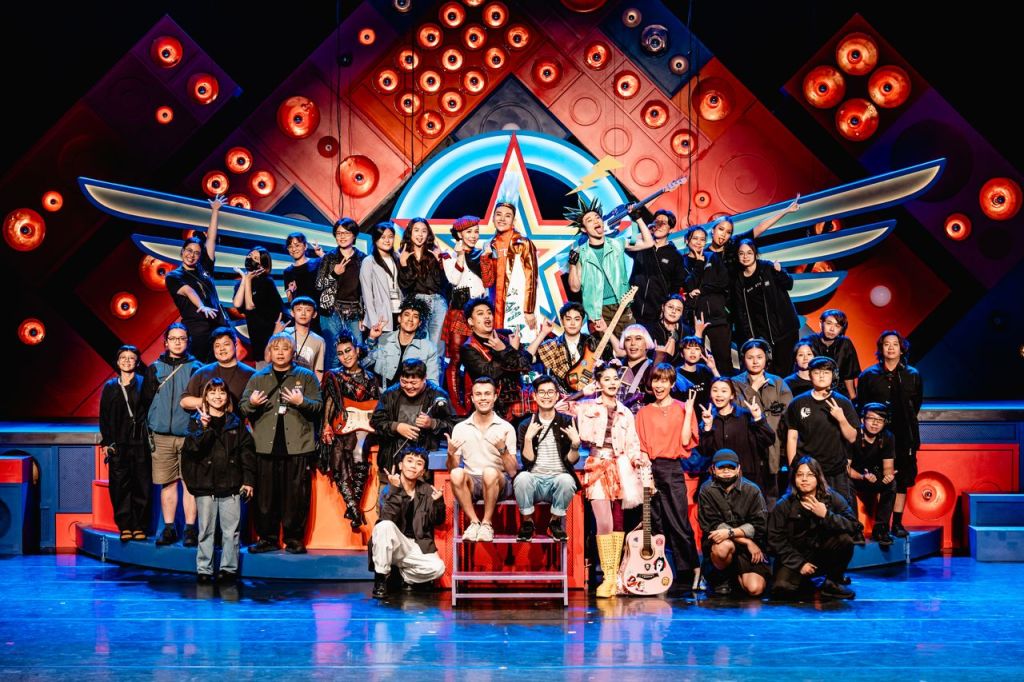
Total Musical Theatre’s “That Thing About the Ugly Duckling Becoming a Rock Star” (also known as “Take A Quack At It!”) delivers a truly astonishing family musical that transcends the usual boundaries of children’s theater. As reviewed by the esteemed Taiwanese conductor and arts educator Yin-Fang Chang (張尹芳) on the credible platform Talks by the Taishin Bank Foundation for Art & Culture, this co-developed Taiwan-U.S. production offers not only entertainment for children but also profound healing for adults.
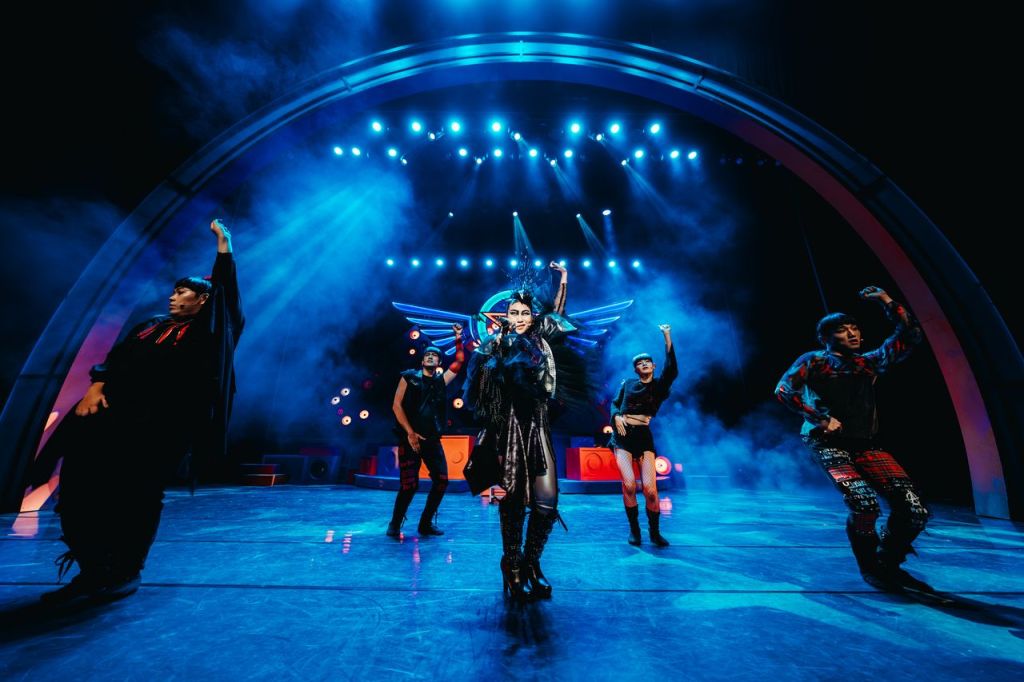
A Cleverly Crafted Narrative with Depth
Drawing inspiration from Hans Christian Andersen’s timeless tale, the musical sets its story in a “rock music summer camp” for little ducklings. This inherently charming and “endearingly goofy” premise cleverly leverages the contrast between ducks and rock music to explore weighty themes like self-identity, bullying, the formation of musicians, and even “the false appearances of the workplace.” Chang praises the production for its ability to tackle these “problems rooted in human nature” with a “gentle force,” avoiding both “overly sentimental manipulation and divisive criticism.” The narrative respects the audience’s intelligence, unfolding rapidly from the protagonist’s entry into the camp with “every plot point connect[ing] tightly, without any dragging.” The reviewer highlights the show’s “clever hints and surprising twists,” such as the reveal of an eagle disguised as a duck, and the “scandal after the ugly duckling becomes a swan celebrity,” ensuring “there is never a dull moment.”
Stellar Performances and Musical Prowess
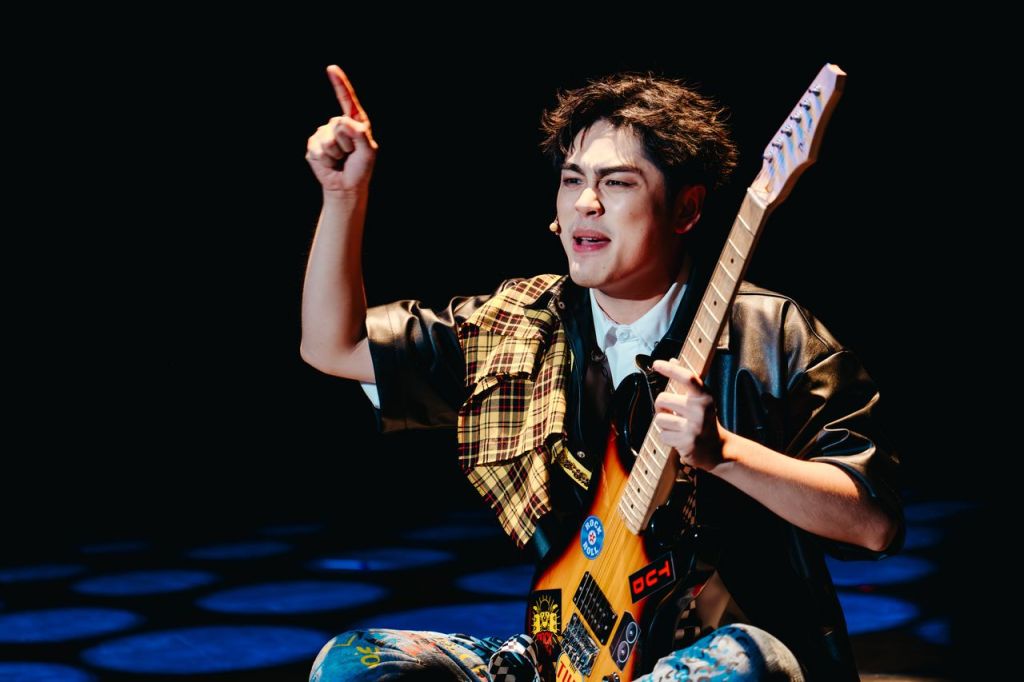
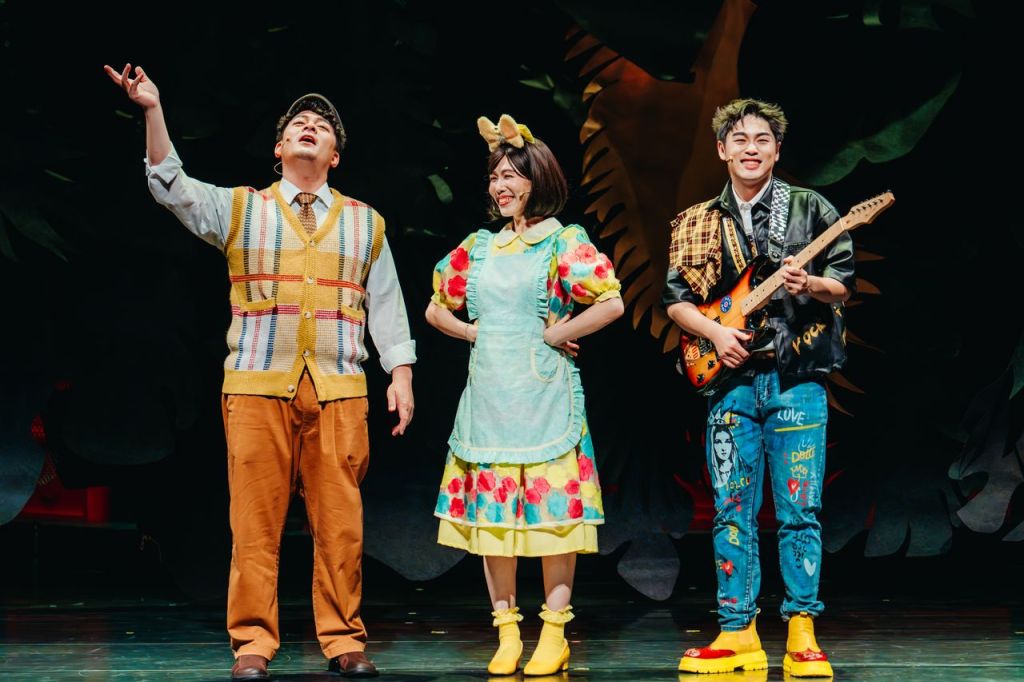
The cast of nine actors skillfully manages over twenty roles, showcasing exceptional stage management and orchestration. Their “impressive stamina” is matched by their rich and nuanced ability to switch between characters’ psychological states, making each portrayal feel natural and unforced. Despite the complete absence of subtitles, “about 95% of the lyrics were still understandable” thanks to the actors’ “clear diction and skill in both singing and speaking.” While there was a minor issue with the male lead Xiao-Fei’s pitch on the day, and some sound blending during reprises due to venue equipment, these minor points did not detract from the overall success driven by the actors’ “outstanding performance in singing, acting, and dancing.”
The music, the very “soul of a musical,” is attributed to composer Chang Ching-Yen, who brings a fresh perspective despite his extensive experience. He masterfully employs “different styles of jazz to match each character’s traits and the direction of the plot.” From the protagonist’s evolution from a “not-so-rock folk ballad style” to a powerful “stronger rock sound,” to the vintage gothic rock for the disguised eagle and jazz for the Japanese-inspired Shan-Dao Sparrow, the music “integrates perfectly with the storyline, vividly coloring each segment.” Chang notes that the audience’s ability to understand the lyrics without subtitles is a testament to the “collaboration between melody, word choice, and phonetic rhythm,” and the composer’s skill in creating “emotionally resonant melodies.”
Impeccable Direction and Production Value
Director Kao Tian-Heng’s work is lauded for its “natural and delicate” approach to character shaping, pacing, and dramatic tension, avoiding the common pitfalls of “stylized or stereotypical character portrayals” often found in children’s theater. The production creates a powerful atmosphere, drawing the audience into an empathetic connection with the characters and their emotional journey. Even with a “relatively simple set design,” the use of “lighting zones and curtain transitions” effectively creates multiple settings, from a “creepy forest” to a “rock concert stage,” demonstrating an “impressively high-value design” that feels anything but makeshift.
A Testament to Quality Children’s Theater
Ultimately, Chang Yin-Fang highly commends “That Thing About the Ugly Duckling Becoming a Rock Star” for its depth and high quality. It stands out as a parent-child production that “doesn’t preach, doesn’t rely on stereotypes, doesn’t pander to the audience,” yet still offers substantial artistic value. It proves that “children’s aesthetic development truly does require strong production values to support it.” More uniquely, it succeeds in “awakening a sense of childlike wonder in adults — offering healing, while clearly distinguishing between attention-grabbing gimmicks and artistry with real substance.” This production not only provided a platform for “talented rising stars of the stage” but also solidified Total Musical Theatre’s capability in handling medium-to-large scale productions.


 Arts Independent