
Home » Articles posted by jaymichaelsae (Page 2)
Author Archives: jaymichaelsae

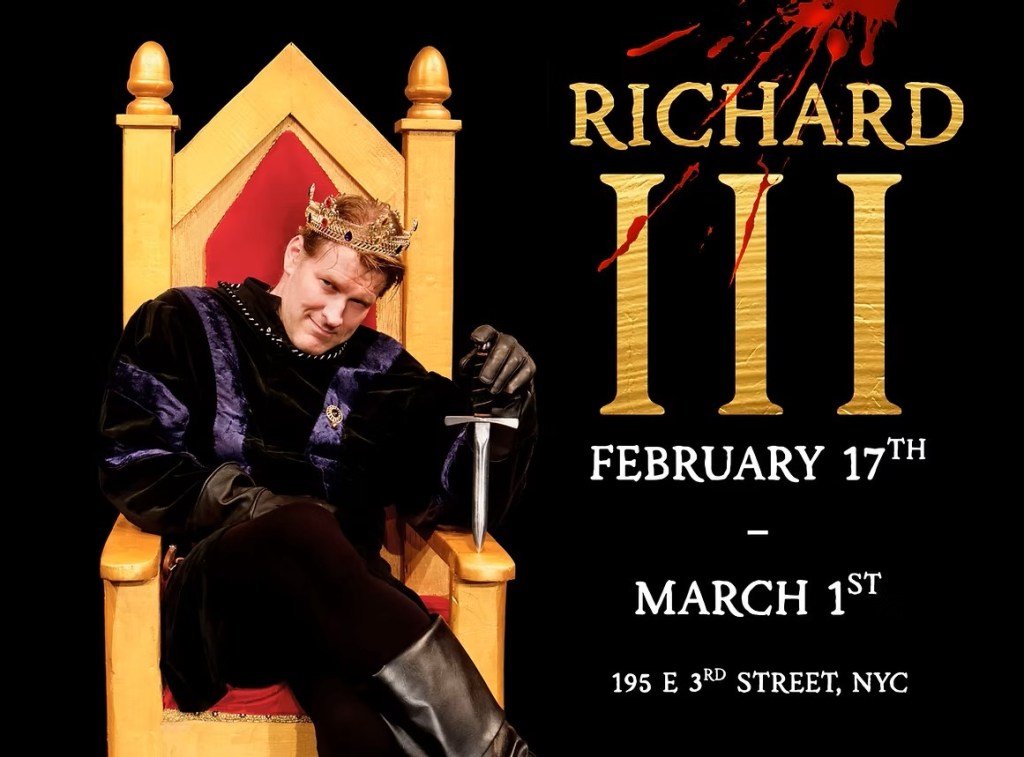
The Winter of Discontent Finds Its Heat: Zachary C. Clark Takes the Throne in Atlas Shakespeare’s Richard III
NEW YORK CITY — The sun of York is setting, and in its place, a shadow looms over the Wild Project. Following their sweeping success with the Henry VI trilogy, Atlas Shakespeare Company is concluding the Wars of the Roses with a visceral, blood-soaked production of Richard III.
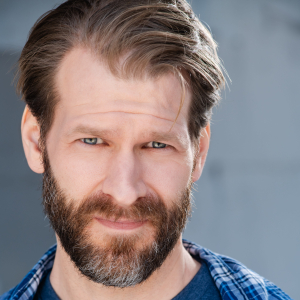
Running from February 17 to March 1, this limited Off-Off-Broadway engagement promises a return to classical roots, complete with period-accurate dress and live sword-fighting. But at the center of this political storm is a performance that has been a year in the making: Zachary C. Clark as the titular villain.
A Villain Formed in the Shadows
For Clark, the role of Richard is more than just a performance; it is a culmination. Having played Richard in the company’s previous Henry VI productions, Clark has had the rare opportunity to live in the character’s skin long before he ever reached for the crown.
“It’s fun to have the full story,” Clark notes. “So much of Richard’s backstory isn’t really explored in many productions because Henry VI is rarely performed.”
This continuity allows for a Richard that is far more than a caricature of evil. Clark approaches the role—the second-largest in the Shakespearean canon after Hamlet—with an eye for the “vulnerability despite how horrible he is.” It is a psychological tightrope walk between a “self-congratulatorily sociopathic” mastermind and a man unraveling under the weight of his own ambition.
The Descent into Madness
While the first half of the play showcases a charismatic strategist outmaneuvering his “dangerously suggestible” brother, King Edward, the latter half explores a much darker territory. Clark identifies the “descent to the point of near madness” as his greatest challenge.
Key Themes Explored in This Production:
- Political Melodrama: The shifting allegiances and the desperation to retain power.
- The Weight of Curses: A world where the supernatural is as real as the steel of a blade.
- The Human Cost: A portrait of how a quest for the crown costs a man his family and, ultimately, his sanity.
Classical Craft for a Modern Audience
Founders Adriana Alter and Alexander Nero have built Atlas Shakespeare Company on the principle that the Bard’s work should be vivid, relatable, and profoundly human. By utilizing full classical dress and high-stakes choreography, the company aims to strip away the “dusty and stale” reputation Shakespeare sometimes carries.
Clark echoes this mission, stating that the primary goal is clear storytelling. “I think as long as we tell the story in a way the audience will understand, we’ve won. To keep an audience engaged and following the plot is the most important goal.”
Whether it’s the chilling delivery of Clark’s favorite line—“So wise so young, they say, do never live long”—or the sparks flying during the live combat, this production is designed to be a “cautionary tale about being careful what you wish for.”
Performance Details
- Dates: February 17 – March 1
- Venue: Wild Project, 195 East 3rd Street, NYC
- Tickets: Available at atlasshakespearecompany.com/tickets
Don’t miss the “bloodsoaked finale” of a saga that has captivated New York theatergoers for the past year. Come witness the rise—and the inevitable, crashing fall—of Shakespeare’s first great villain.


Broadway Legend Meets Baltimore Nightlife: Flipping the Script Productions Announces “Musicals Without Music”
BALTIMORE, MD — Flipping the Script Productions (FTS) is thrilled to announce its upcoming presentation of Peter Filichia’s “Musicals Without Music,” directed by George Andre Tittle. This unique, immersive production will play for two performances only at the
La Familia Soundstage on Sunday, March 29, 2026, @ 2:00 & 6:00 PM.

A New Way to Experience Theater
Breaking away from the traditional proscenium arch, “Musicals Without Music” transforms Baltimore’s La Familia Soundstage into an intimate, high-energy nightclub setting. Ditching rows of theater seats for tables and chairs, the production promises to “break the fourth wall,” bringing the action directly into the audience for a truly interactive experience.
The Show: SNL Meets Broadway
“Musicals Without Music” is exactly what it sounds like. Through a series of fast-moving, “SNL-style” sketches, the show explores the hilarious and poignant moments that happen after the music stops.
“Peter Filichia has a way of honoring musical theatre while also poking at it, questioning it, and celebrating the wonderful spaces it lives in,” says FTS Founder Stephen Rourke.
The Creative Powerhouse
The production brings together some of the most respected names in the industry:
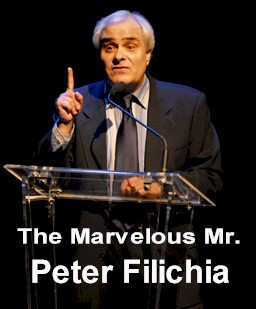
- Playwright Peter Filichia: A legendary New York-based critic, author, and former President of the Drama Desk. Filichia has seen over 11,000 theater performances and is a renowned authority on Broadway history.
- Director George Andre Tittle: A disciple of the late Mike Nichols, Tittle is known for his dynamic vision and deep script analysis. His past credits include The Crucible and Waiting for Godot.
- Producer Stephen Rourke: Founder of Flipping the Script Productions, Rourke is a veteran of the Baltimore theater scene and a member of Ken Davenport’s TheaterMakers Studio.
Flipping the Script’s Mission
Founded by Stephen Rourke, FTS is dedicated to championing original work and elevating voices from historically underrepresented communities—including women, Black artists, people of color, and the LGBTQ community. “Musicals Without Music” serves as a cornerstone of this mission, bringing smart, original theater to the Baltimore community.
Event Details
- What: Musicals Without Music by Peter Filichia
- When: Sunday, March 29, 2026 | 2:00 PM & 6:00 PM
- Where: La Familia Soundstage | 836 Guilford Avenue, Baltimore, MD 21202
Tickets & Casting To Be Announced Shortly.
About Flipping the Script Productions
Flipping the Script Productions (FTS) was founded by actor, attorney, and producer Stephen Rourke to bring new, diverse, and underrepresented voices to the stage. By focusing on script development and innovative staging, FTS seeks to create theatrical experiences that are as inclusive as they are entertaining.

When the Truth Is Found To (Possibly) Be Lies: Jim Catapano attends David Gutierrez’ RETRACTION
David Guiterrez’ Masterful RETRACTION Looks at Real Life Events that Nearly Damaged a Movement for Change
“If your mother tells you she loves you… check it out,” is the first statement we hear from journalist Wendy Denison (Renata Friedman), ambitious reporter for the popular magazine Heart Rhythm. This stunning declaration immediately sets the tone of uncertainty and discomfort that shadows RETRACTION, a compelling and timely work by David Gutierrez.
The title refers to what Rolling Stone actually found itself having to print in the aftermath of an article they published in November 2014. The piece, “A Rape on Campus,” claimed that a woman had been attacked by several fraternity members as part of an initiation ritual. Discrepancies in the account of that evening led to doubt and finally discredit, leading to lawsuits, and ultimately threatening the very cause the magazine was attempting to champion.
RETRACTION goes backwards and forwards in time to tell a fictionalized version of this event—at the center of which is Lacey (Rachel Resheff), a college student at Carolina Atlantic University. Lacey’s revelations regarding her attack at the Frat House draw the attention of Wendy, who wishes to bring awareness to the epidemic of sexual assault against women, and is supported in this endeavor by her editor Zack (Nathaniel Stampley). Wendy also speaks to Gillian (Bella Serrano), a fellow student and assault survivor, who is a steady presence during the rollercoaster of events that follow. Wendy publishes Lacey’s story in Heart Rhythm, and the article is scathing in its condemnation of the failure of University authorities to address the issue. It’s enough to create widespread outrage and make a Pariah of Carolina Atlantic’s Dean Gasso (Shannon Dorsey), who begins getting death threats for her perceived failure to protect her student.
But it is soon learned that the usually thorough Wendy was blinded by her passion for the cause, and made fundamental mistakes in her reporting. The recollections of the friends that Lacey had run to on the night of the alleged attack do not align with the events as portrayed in the piece. Chief among these is Travis (Charlie Webb), who had failed to reciprocate Lacey’s feelings right before she went on the date with the junior that ended in the attack she describes; along with Chris (Carson McCalley) and Melissa (Eliana Rowe), Wendy had failed to fact check with him or get any information from or regarding the alleged perpetrators. Lacey claims abandonment by all her friends, accusing them of words and actions that they later vehemently deny Add to that a competing reporter Victor (also McCalley) who suspects that things are not what they seem, plus Lacey’s subsequent admission that she felt her story “was true at the time,” and the situation implodes to the point where the movement to identify and stop rampant sexual abuse is in itself in danger.

The cast are collectively compelling in these difficult roles, with Friedman and Resheff anchoring with intensity and a command of their difficult roles. All the others deftly play dual parts…a podcaster, reporters, and lawyers who are all woven into the storyline. The stark set design by Julian van Haubrich complements the production well, with its white office tables, towering street lights and rolling chairs that at one powerful moment are rolled across the stage by the actors under the harsh, interrogation room -like lighting (by Adrien Yuen).
Under the expert guidance of director Caroline Fairweather and with the skillful writing by Guiterrez, RETRACTION handles an extremely delicate issue with sensitivity and without condemnation. It is never implicitly stated that Lacey is lying; it’s made clear in the narrative that PTSD could be affecting her memory of what was a very real assault. Were there 6 guys or 4? Was it dark or could she see them? Was the blood on her dress not there at all, or just too subtle for her friends to notice? Though the real truth (or at least the truth within Wendy and Lacey’s fictional story) is never arrived at in RETRACTION, what we know to be at fault here is the careless reporting that was certainly in evidence in the real life situation, which impacted many lives and ended up putting the safety of women on campus and beyond at further risk. It is a powerful and necessary reminder that these issues must be handled carefully and delicately, both in art and in life. RETRACTION doesn’t provide easy answers, but it will leave one determined to ask the right questions.
RETRACTION runs at the The Shiner Theatre at The Sheen Center for Thought and Culture through January 31, 2026.

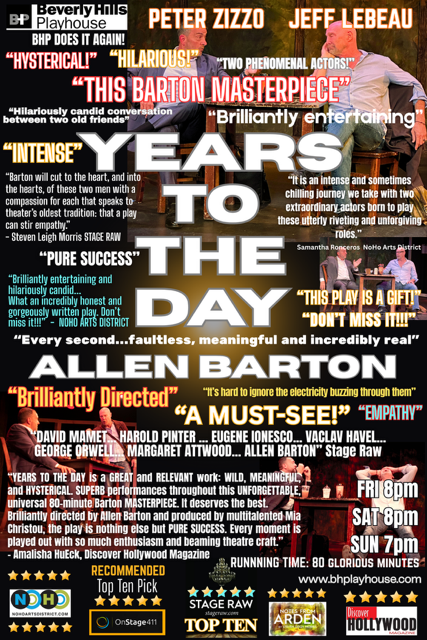
“YEARS TO THE DAY” Makes Highly Anticipated New York Debut at American Theatre of Actors: Emmy Award Winners, Jeff LeBeau and Peter Zizzo, Star in Allen Barton’s Searing “Shaw for the 21st Century”
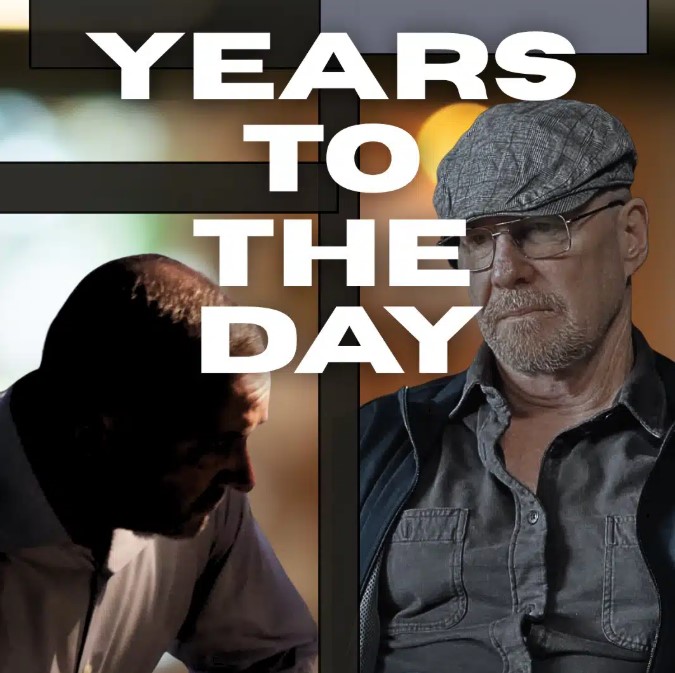
Renaissance man Allen Barton brings his critically acclaimed play, YEARS TO THE DAY, to the landmark American Theatre of Actors (314 W. 54th St.) for its New York City premiere. Opening February 25, the production stars Emmy Award winners Jeff LeBeau and Peter Zizzo in a play named one of the “10 Best New Plays” by LA Weekly.
First premiering in 2013, YEARS TO THE DAY has become a global phenomenon, performed in a dozen cities across three continents. The play utilizes the spare construct of a single conversation between two old friends to dissect marriage, social media, the delicate relationship between parents and children, politics, and gay rights. It is a raw, timely exploration of whether friendship can survive the calcification of middle age.
“After meeting an old friend, four years to the day from our last get-together, it struck me that though we knew what phones and computers we were using, we had no clue about each other’s lives,” says playwright Allen Barton. “The script was written to be ‘evergreen’—a timeless treatise on how friendship survives a world that changes more quickly every year.”
The Powerhouse Trio
The production features a unique collaboration of top-tier talent:
Allen Barton (Playwright): A Los Angeles-based “Renaissance man,” Barton is a playwright, director, Steinway Artist classical pianist, and owner of the renowned Beverly Hills Playhouse. His previous works include Circling, Disconnection, and Engagement.
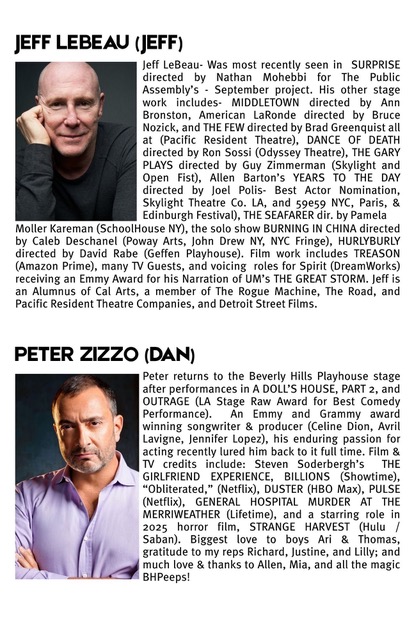
Jeff LeBeau (Jeff): An Emmy Award winner with extensive credits including the Geffen Playhouse (Hurlyburly), Circle Rep, and film/TV roles in The Practice and Life as a House.
Peter Zizzo (Dan): An Emmy and Grammy Award-winning songwriter and producer who has sold over 100 million records with artists like Celine Dion, Jennifer Lopez, and Avril Lavigne.
Critical Acclaim
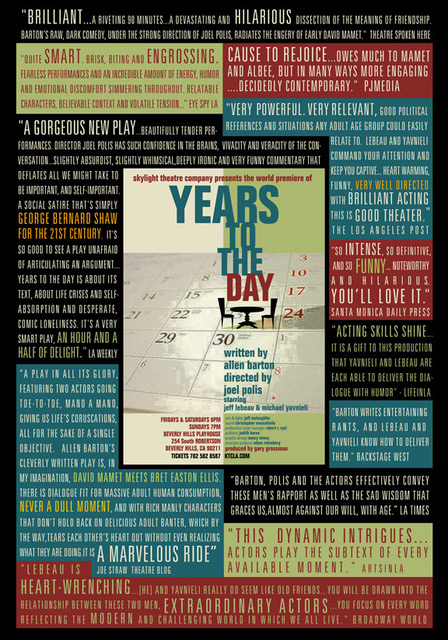
- “A social satire that’s simply George Bernard Shaw for the 21st century… an hour and a half of delight.” — LA Weekly
- “David Mamet meets Bret Easton Ellis… dialogue fit for massive adult human consumption.” — Joe Straw Theatre Blog
- “Insightful dissection of some big ideas about life and how to live it.” — The Public Reviews, Edinburgh
- What: YEARS TO THE DAY by Allen Barton
- When: Opening February 25. (Full schedule to be announced).
- Where: American Theatre of Actors, 314 W. 54th St., New York City.
- Tickets: To be announced shortly.

About ALLEN BARTON (Writer/Director) is a Los Angeles-based playwright/author, director, teacher and classical pianist. As Playwright: OUTRAGE (2023), CIRCLING (2020), DISCONNECTION (2015), YEARS TO THE DAY (2013), and ENGAGEMENT (2010). YEARS TO THE DAY was named one of Los Angeles’ 10 Best New Plays by LA Weekly, and has since been performed in ten cities across three continents. As Supervising Director for Beverly Hills Playhouse: SEX WITH STRANGERS, THE PURPLE LOUNGE, LOST LAKE, BELLEVILLE, AN INFINITE ACHE, A DOLL’S HOUSE. Allen earned many years’ worth of L.A. stage, television and film credits as an actor, and he is also active as a classical pianist – he was a prizewinner in the 2002 Los Angeles Liszt Society Competition, has recorded five compact discs, and performs solo recitals on both coasts. In 2010 he was made a Steinway Artist. A native of the Boston area, a graduate of Harvard University and longtime student of the late Milton Katselas, Allen is currently owner and principal teacher at the renowned Beverly Hills Playhouse acting school. A compilation of his work as a playwright, ALLEN BARTON: FIVE PLAYS, has just been released and is available at Amazon.

The King of Villains in the Concrete Jungle: Adriana Alter and Atlas Shakespeare Company Take on Richard III
In the bustling landscape of New York theater, where experimental “black box” concepts and modern deconstructions often dominate the stage, Adriana Alter is championing a different kind of revolution: the return to tradition.

As the co-founder and artistic director of Atlas Shakespeare Company, Alter is currently preparing for an ambitious, extended run of Richard III. For Alter, Shakespeare isn’t just a literary obligation; it’s a lifelong obsession that she believes holds the key to modern empathy.
A Director’s Secret Weapon
While many directors approach the Bard with a sense of intimidation, Alter finds a unique freedom in the 400-year-old texts. “I’ve found that Shakespeare is by far the easiest thing to direct!” she admits.
Her reasoning is rooted in the practical history of the theater. Because Shakespeare was an actor writing for a fast-paced repertory system with minimal rehearsal time, he “baked” the direction into the language itself. While modern plays often require a director to build character depth from scratch, Alter notes that Shakespeare has already done the heavy lifting. “Right off the page, these are three-dimensional, engaging characters, with believable relationships and satisfying narrative arcs.”
The “Likable” Monster
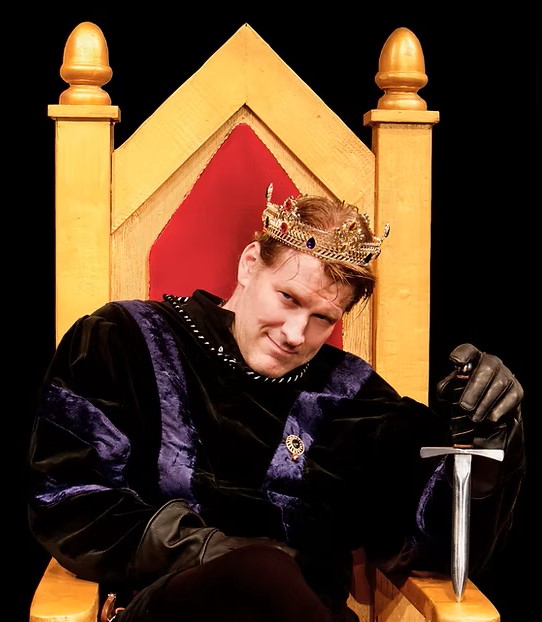
At the heart of their current production is perhaps theater’s most famous “unapologetically terrible person.” Alter describes Richard III not as a somber tragedy, but as a “wild ride” through unhinged political schemes.
“Richard is one of the earliest examples of a trope that continues to be popular in modern media: a charismatic, manipulative, unsettlingly likable villain whom the audience can’t help but root for.”
What sets this production apart is the actor bringing that charisma to life. Zachary C. Clark, who previously played Richard in Atlas’s production of Henry VI, Part III, returns to the role. According to Alter, the audience’s existing relationship with Clark’s portrayal adds a layer of complicity—we have watched this character grow from a soldier into a king, and now we must watch him descend into madness.
Finishing the Epic
This production serves as a grand finale for the company. Having just completed the Henry VI trilogy, Richard III is the natural conclusion to the “Wars of the Roses” cycle. It also marks a milestone for actress Charlotte Blacklock, who has portrayed Queen Margaret across all four plays.
“Now that she’s done such a truly extraordinary job of portraying each distinct stage of Margaret’s journey, we certainly couldn’t leave that story unfinished,” Alter explains.
Period Costumes and Steel Blades
Atlas Shakespeare Company is leaning into the very things that some might fear: the full script, period-accurate costumes, and live sword fights. To Alter, these aren’t “stodgy” choices—they are tools for escapism.
By working with fight choreographer Leighton Schlanger, the company has crafted an “epic battle sequence” designed to thrill. “Period costumes go a long way towards creating that world,” Alter says. “We’re offering audiences an opportunity to take a break from their daily lives and explore a whole different world.”
The Marvel Connection
When asked why so many elite actors from the Marvel Cinematic Universe or horror genres start in Shakespeare, Alter points to the “larger-than-life” demands of the text.
“Shakespeare teaches actors how to engage with unfamiliar worlds and how to embody larger-than-life characters without sacrificing psychological authenticity,” she says. “That’s a valuable foundation for anyone who wants to transition into genres where you have to persuade the audience to suspend disbelief.”
Looking Ahead
The goal for Atlas is nothing less than the full Shakespearean canon. By extending the run of Richard III, they hope to reach local schools and businesses, proving that these plays aren’t just for academics—they are for everyone who loves a good story.
https://www.atlasshakespearecompany.com/tickets

Jim Catapano witnesses Grief, Rage and the Ruins of a Revolution: Dennis Leroy Kangalee’s Masterpiece My Dying City: Vol II Looks at Profound Grief both Cultural and Personal
Life Partners Paul (Che Ayende) and Nya (Melissa Roth) were once also partners in activism; their progressive radio show The Social Justice Suicide Hour is a relic of the early 2000s, which now feels like a century ago. It is the one-year anniversary of their son Edmund’s passing by suicide, and My Dying City: Vol II—the name of the radio show, with its tragic now-double meaning, is the subtitle—takes place on the day of the memorial. It’s a day set in the reality of here and now, as the country marches toward a fascism that they find themselves too grief-stricken and too exhausted to fight.
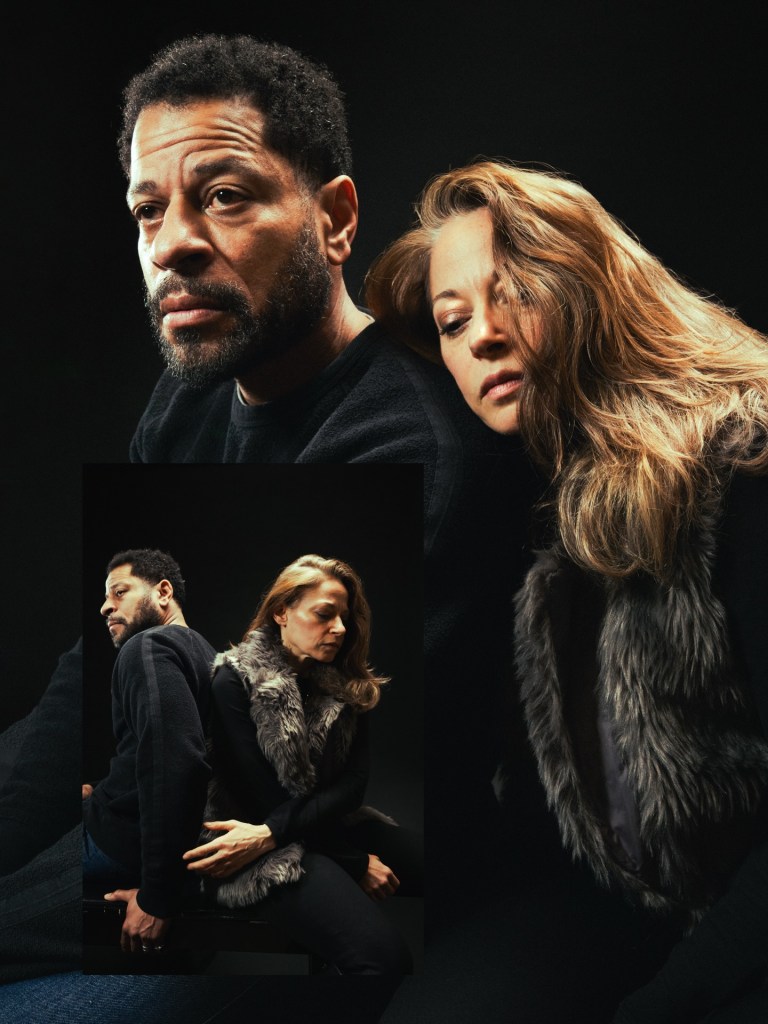
Paul and Nya both mourn, but not in the same way; their inability to agree on how to properly grieve and honor their son is driving them apart. Their respective relationships with Edmund were complicated and often turbulent; his tragic decision and the utter absence of closure is burning them up inside, and is complicated further by the arrival of Hedia (Shannon Mastel), Edmund’s love interest from college, whom the couple had never seen or heard about. Hedia’s experience and description of an Edmund they hardly knew plunges Paul and Nya deeper into bitterness. “He didn’t show it,” grumbles Paul when Hedia states that Edmund was proud of them; and he and Nya chuckle and scoff when she describes her passion as “helping people,” demonstrating how much they’ve changed since the days of the radio show.
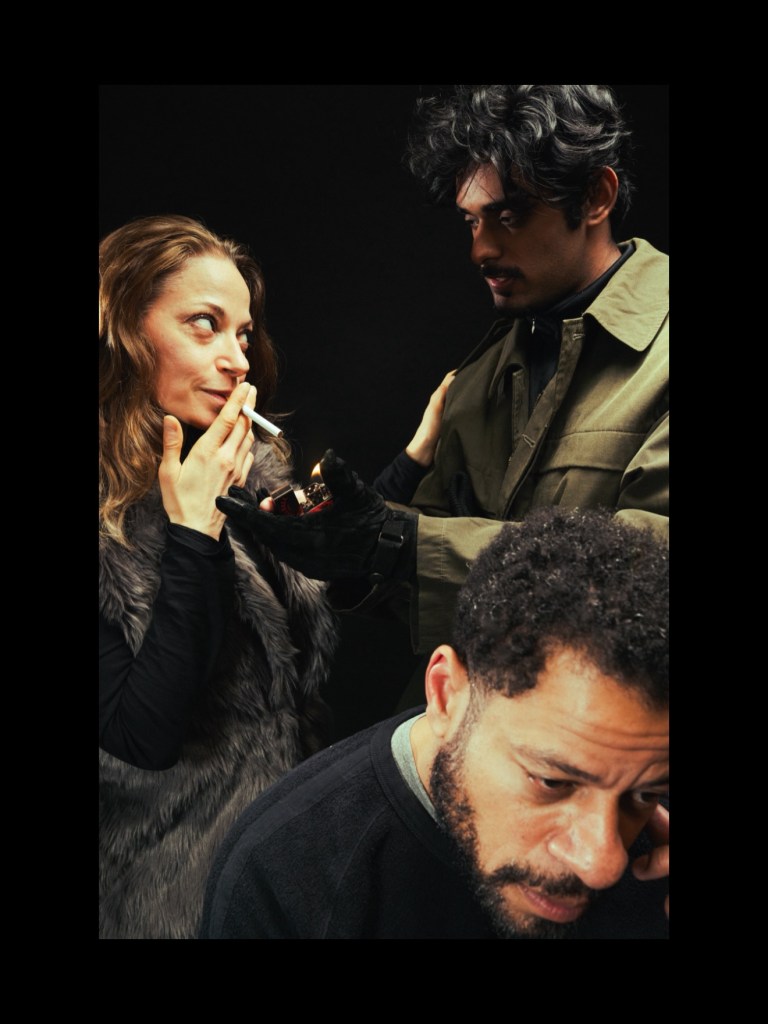
The tension of this sequence is expertly realized, only to be matched by the arrival of Paul and Nya’s friend Barry (Ward Nixon), and Barry’s colleague Moose (Brandon Geer), who as a toddler had lost his father to a hate crime in the aftermath of 9/11. Barry had entered their lives as a radio show caller and joined the couple on the road to revolution, which has now, in 2026, led to a brick wall—one that, in Barry’s view, was inevitable. “We don’t learn from our history,” he laments. “We can barely tie our shoelaces. You’re talking about a country that’s barely glued together by the blood it shed…held together by a string of lies, instigations to repeat the same nonsense every day.”
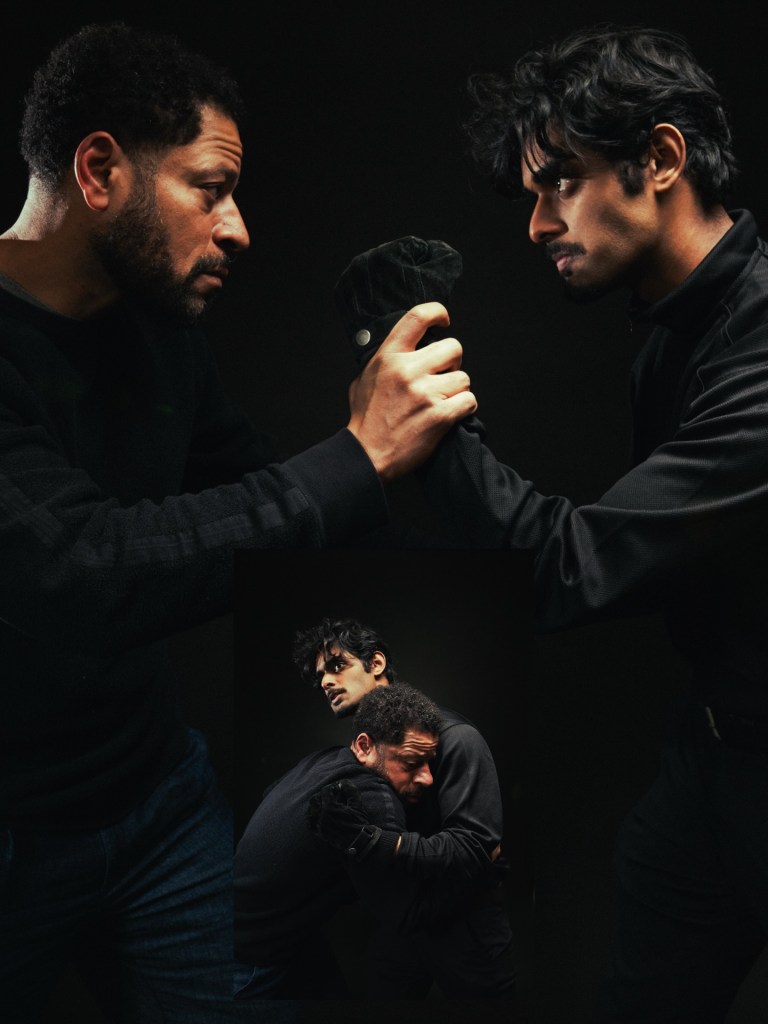
One of the most intriguing aspects of My Dying City Vol. II is that everyone in the room is on the same side of the political divide. This is not left versus right—it’s left verses left; to see these activists fighting among themselves is to recognize how much those conflicts contribute to the destruction of the very progressive ends they had joined forces to bring about. They disagree about how to fight; they debate whether there’s still reason to fight at all.
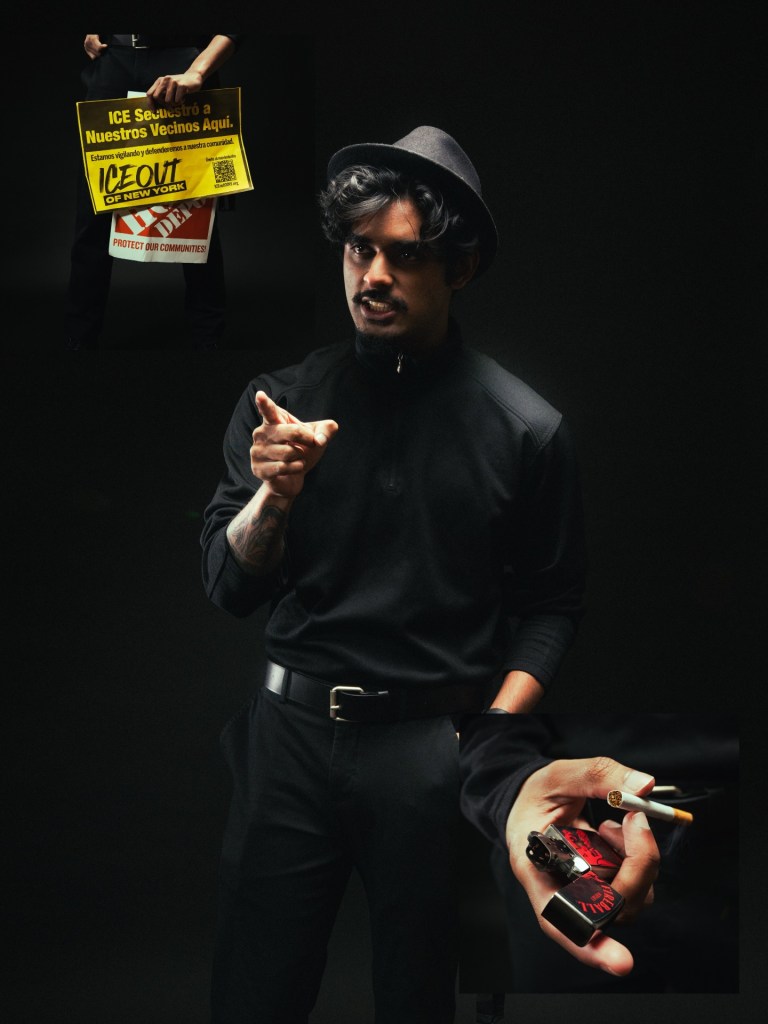
Arguing leads to shouting as an alcohol-fueled rage threatens to consume them. It’s a reminder of a terrible truth; the oppressors can just keep doing what they’re doing, because the rebellion will likely eat itself. The juxtaposition of the inability of the characters to agree on if and how to stay politically engaged parallels Paul and Nya’s conflict on how to “correctly” mourn and move on, making the show a remarkable blend of the personal and the political.
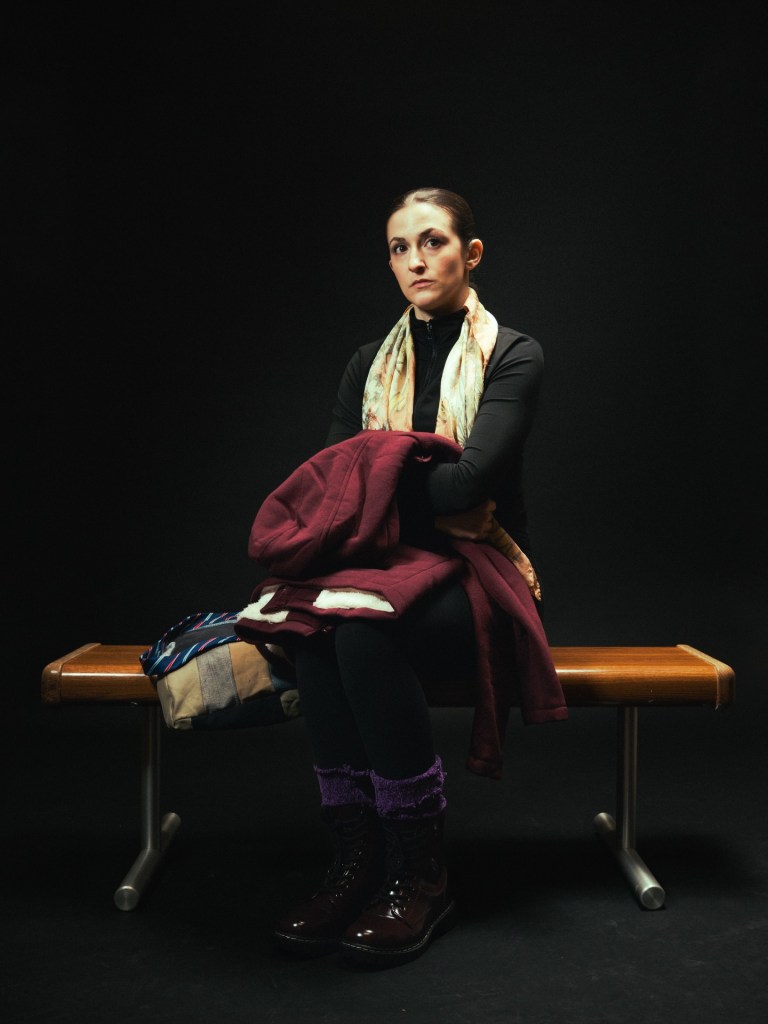
When it is revealed that Edmund was born on Oct 9, 2001, a startling revelation about other events that day leads to a horrifying climax that is devastating to watch but is somewhat inevitable in the aftermath of what we’ve witnessed. It leaves us with a palpable despair that parallels the real-world dread many of us feel outside the confines of the stage in the early days of 2026.
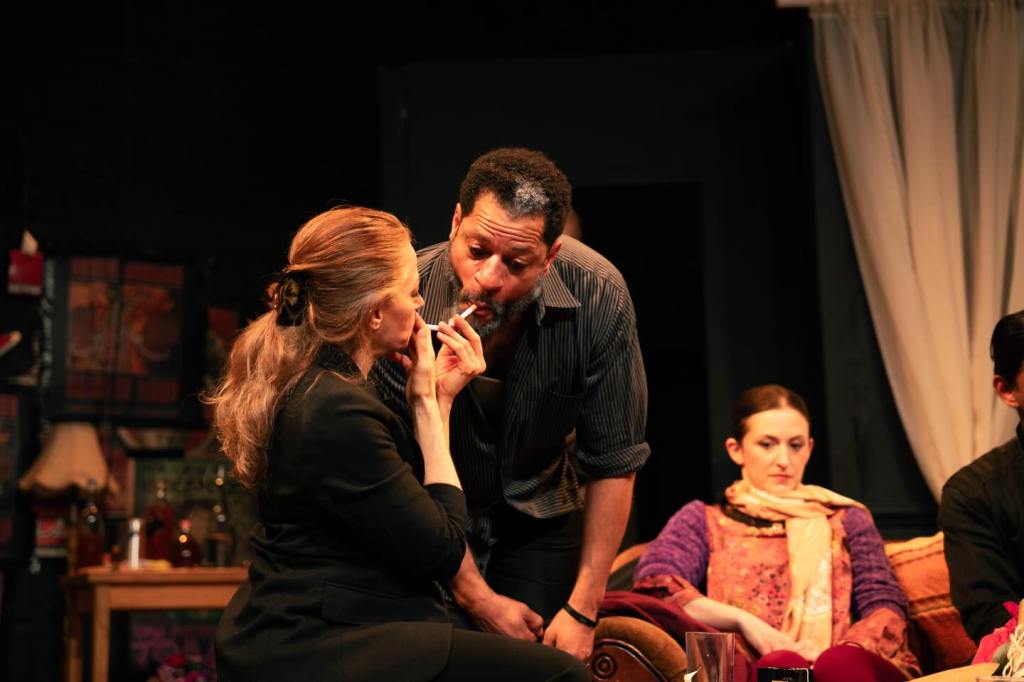
Kangalee’s dialogue is a masterclass in writing that is astonishingly realized by the collective cast, each of whom get an “aria” moment to shine. The words are powerful and poetic. The personal pain and despair of each character is so specific to their own journeys that they are completely unable to connect with each other, thus dissolving any remaining glimmer of hope for the future, both in the country and in their individual lives.
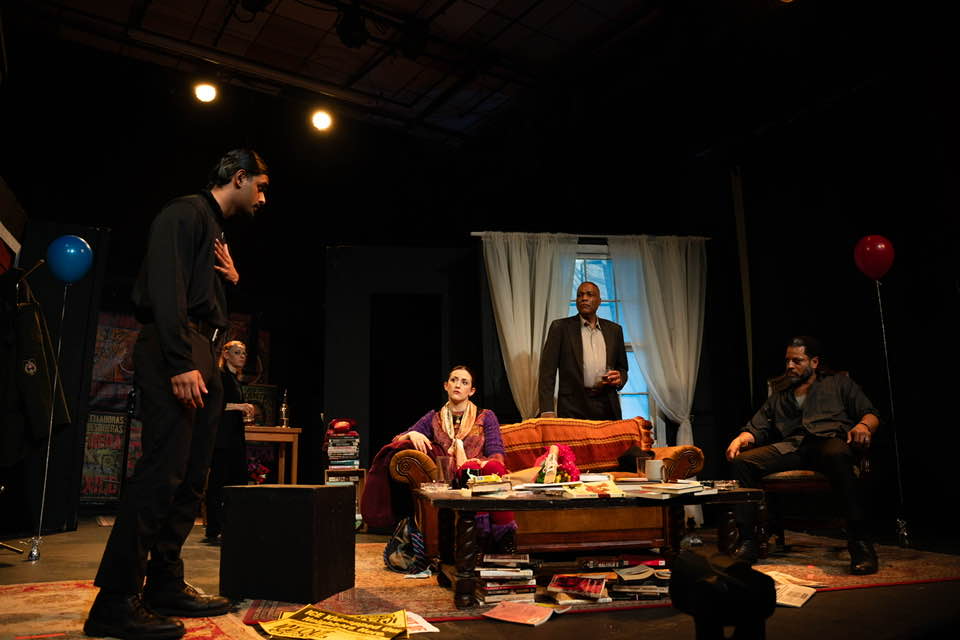
Paul and Nya’s apartment (courtesy of Scenic Designer Nina Pineda) is like another character; the coffee table is strewn with and surrounded by progressive books, magazines and newspapers. A shrine to Edmund, which Nya has decorated with dead flowers, watches over the couple’s record collection. A well-stocked bar that the characters keep returning to as the tension escalates sits near a wall of posters of the once mighty The Social Justice Suicide Hour. The lighting by Nicole E. Lang is masterful, the window depicting day, twilight, and night as events build to a fevered climax. The music also perfectly complements proceedings; the songs of Lauryn Hill, Neil Young & Crazy Horse, and Dead Prez are heard, and the covers of their respective albums visible on stage. Snippets of the Social Justice Suicide Hour are played, a bittersweet reminder of a time when the protagonists were hopeful and determined to change the world. Kangalee supports his script with his own stunning direction, bringing it all together to make My Dying City: Vol II a remarkable theatrical experience and a must-see production for our troubled times.
My Dying City: Vol II is produced by the Kangalee Arts Ensemble. It runs at the American Theater of Actors through Jan 25, 2026.

The Bard in the Boroughs: Rodney Hakim and the Digital Renaissance of “New York Shakespeare”

In a city where the theater is often synonymous with the bright lights of Broadway, Rodney Hakim is carving out a vital, digital niche for the classics. As the owner, writer, and host of New York Shakespeare, Hakim has transformed his lifelong expertise into a premier multimedia platform. Through his popular IGTV series and a sprawling social media presence, he has created a central nervous system for the Shakespearean community in the New York metro area and beyond.
A Renaissance Man for the Modern Era
Rodney Hakim is not just a commentator; he is a veteran of the very boards he discusses. His background is a tapestry of performance and production, spanning:
- Acting & Comedy: A freelance actor and stand-up comic, Hakim’s experience ranges from stage plays and musicals to independent films, voice-overs, and TV industrials.
- Directing & Producing: His creative vision has graced venues like the Queens Theater in the Park and various Off-Off-Broadway stages. Notably, he founded and directed a monthly Shakespeare reading group in partnership with Barnes & Noble, bringing the Bard to the public in accessible, communal spaces.
- Education & Writing: As an acting coach and freelance writer for theater review sites, Hakim bridges the gap between the “how-to” of performance and the critical analysis of the art form. He is currently developing new concepts for screenplays and books.
“New York Shakespeare” on IGTV: The Digital Front Row
At the heart of Hakim’s work is the New York Shakespeare brand. Designed to be a “central resource for all things Shakespeare in New York,” the program serves as a bridge between the stage and the audience, documenting current productions and providing deep-dive intellectual access.
Upcoming Special Event: “Speak the Speech” Winners

Highlighting the program’s commitment to excellence in classical performance, Hakim’s next episode features a powerhouse lineup. The broadcast will showcase the winning Shakespeareans of Channel Indie’s inaugural “SPEAK THE SPEECH” competition.
This exclusive session brings together a unique blend of rising stars and established masters, including:
- Joe Staton
- Sean Gregory Tansey
- Sam Hardy
- Michael Hagins (Classical theater luminary)
This episode promises an insightful look into the mechanics of Shakespearean delivery and the future of classical performance in the digital age.
A Global Community with Local Roots
While the focus is firmly on the “happenings taking place in and around New York City,” the reach of New York Shakespeare is global. By leveraging Instagram, Facebook, YouTube, LinkedIn, and WordPress, Hakim has built a digital archive of the city’s classical heartbeat.
Perhaps most impressively, these resources—including live interviews and online discussion groups—are offered free of charge. This mission of accessibility ensures that “supporting your local Shakespeare” is an invitation open to everyone, regardless of their proximity to a physical theater.
Connect with New York Shakespeare
Whether you are a seasoned actor looking for coaching, a scholar seeking fresh discussion, or a fan wanting to know what’s playing in the park this weekend, Rodney Hakim’s platform is the definitive guide.
- Website: www.nyshakespeare.com
- Email: info@nyshakespeare.com
- Watch: Follow @NewYorkShakespeare on Instagram to catch the latest IGTV broadcasts and live interviews.

The American Theatre of Actors invites you to join us for A REPERTORY OF TWO PLAYS from ground-breaking playwright, Anne L. Thompson-Scretching
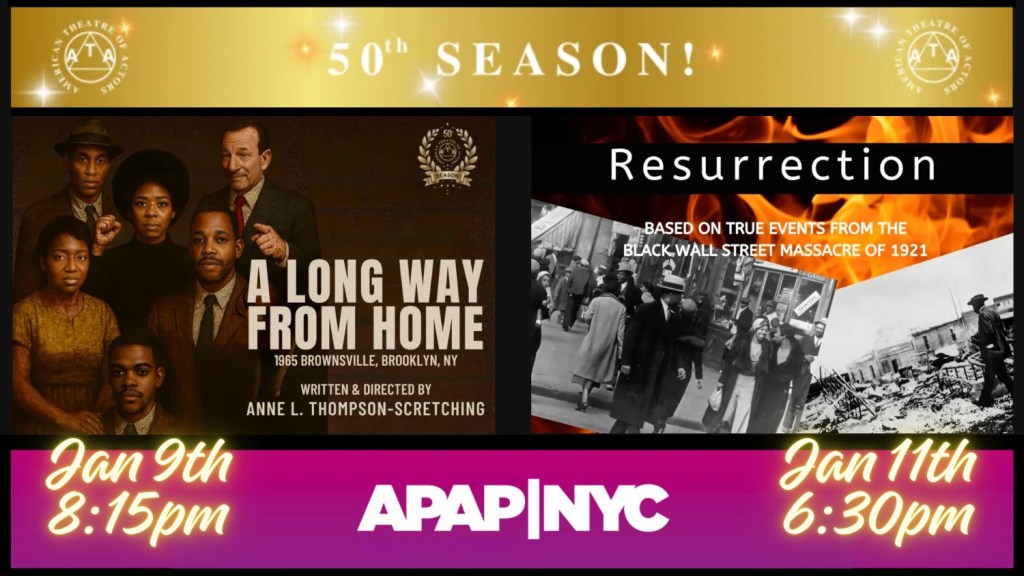
The American Theatre of Actors invites you to join us for A REPERTORY OF TWO PLAYS from ground-breaking playwright, Anne L. Thompson-Scretching: A LONG WAY FROM HOME & RESURRECTION (American Theatre of Actors, 314 W. 54th Street, New York City)
A LONG WAY FROM HOME featuring Ms. D, Gina McKinney, Rommell Sermons, Joy Foster, Kevin Leonard, Laquan Hailey, and Phil Oetiker, A Long Way From Home is the second play in Ms. Thompson-Scretching’s “Blood Trilogy.”

Set in the 1960’s, and follows Shanna Taylor’s family, who has migrated from Macon, Georgia to Brooklyn, New York. They rent an old walk-up in an area called Brownsville.
Escaping from Jim Crow and the Klan in the south, the family realizes segregation and civil unrest is in the North too.
Luella, the daughter, is so disenchanted, she gets involved with the “Black Power Movement.” Jacob, her husband, is away from home carousing for women in the streets. His son, Willie, is duty bound to follow in his father’s footsteps.
Shanna is focused on keeping the family together while saving for her dream home and maintaining her Southern values. Jacob’s older brother, Chester, is a New York big shot. He’s employed as a broker at Falco & Son, who shows Shanna a worthless house that’s been redlined by the bank. Chester steals her money and blames it on her husband. Joe Falco is Chester’s boss, who has him blockbusting the neighborhood.
APAP Members, use code ‘APAP’ for a free seat. Use link or Book in APP under “PHYSICAL THEATRE” Contacts: Jessica Jennings at Conference: 917-773-2933 or Jay Michaels at 646-338-5472 / info@jaymichaelsarts.com
RESURRECTION Featuring Ms. D, Gina McKinney, Rommell Sermons, Joy Foster, Kevin Leonard, Laquan Hailey, and Phil Oetiker, A Long Way From Home is the second play in Ms. Thompson-Scretching’s “Blood Trilogy.” Set in the 1960’s, and follows Shanna Taylor’s family, who has migrated from Macon, Georgia to Brooklyn, New York. They rent an old walk-up in an area called Brownsville.
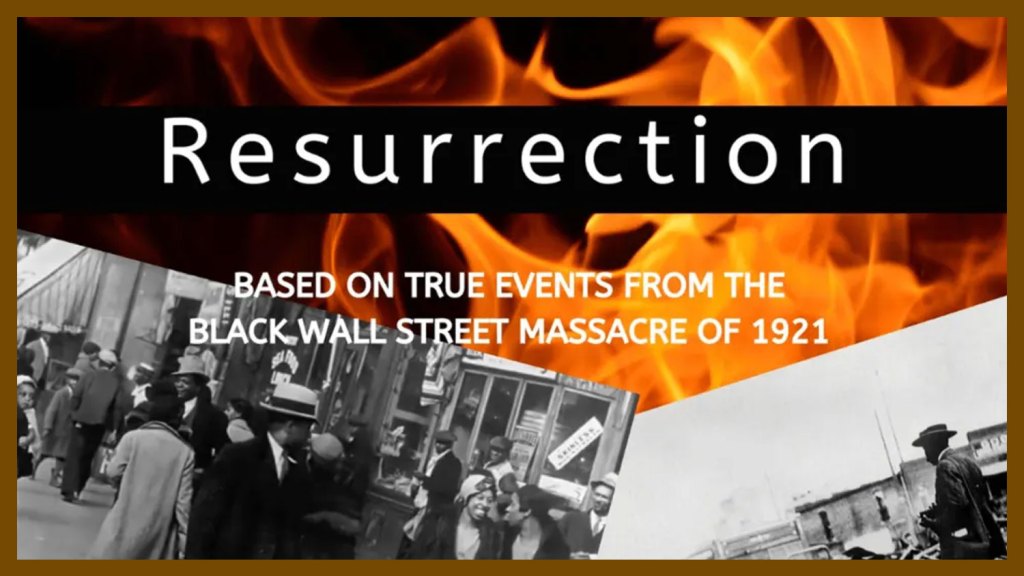
Escaping from Jim Crow and the Klan in the south, the family realizes segregation and civil unrest is in the North too.
Luella, the daughter, is so disenchanted, she gets involved with the “Black Power Movement.” Jacob, her husband, is away from home carousing for women in the streets. His son, Willie, is duty bound to follow in his father’s footsteps.
Shanna is focused on keeping the family together while saving for her dream home and maintaining her Southern values. Jacob’s older brother, Chester, is a New York big shot. He’s employed as a broker at Falco & Son, who shows Shanna a worthless house that’s been redlined by the bank. Chester steals her money and blames it on her husband. Joe Falco is Chester’s boss, who has him blockbusting the neighborhood.
APAP Members, use code ‘APAP’ for a free seat. Use link or Book in APP under “PHYSICAL THEATRE” Contacts: Jessica Jennings at Conference: 917-773-2933 or Jay Michaels at 646-338-5472 / info@jaymichaelsarts.com
American Theatre of Actors, Inc.
American Theatre of Actors, Inc. (ATA) was founded in 1976 by James Jennings to promote the development of new playwrights, directors and actors, and to provide them a creative atmosphere in which to work. The plays are dramas, comedies, and hybrids, dealing with the social and ethical problems of contemporary society.
12,000 actors have worked at ATA including Dennis Quaid, Bruce Willis, Dan Lauria, Chazz Palminteri, Danny Aielo, David Morse, Edie Falco and Kathryn Hahn. Our productions are sometimes grouped as ‘festivals,’ such as a Playwrights Festival or a Directors Festival. In 2016 we began an initiative to feature women in theatre as directors and playwrights, today this is our WIT! (Women in Theatre) program.
Jim Catapano and the Early Days of Eugene
O’Neill’s Formative Years Are Explored at the American Theatre of Actors
To see the very first writings of a legendary playwright performed is always a fascinating endeavor. The ATA’s recent showcase of two of his earliest plays reveals that the iconic Eugene O ‘Neill had a lot up his sleeve before Long Day’s Journey Into Night and The Iceman Cometh.
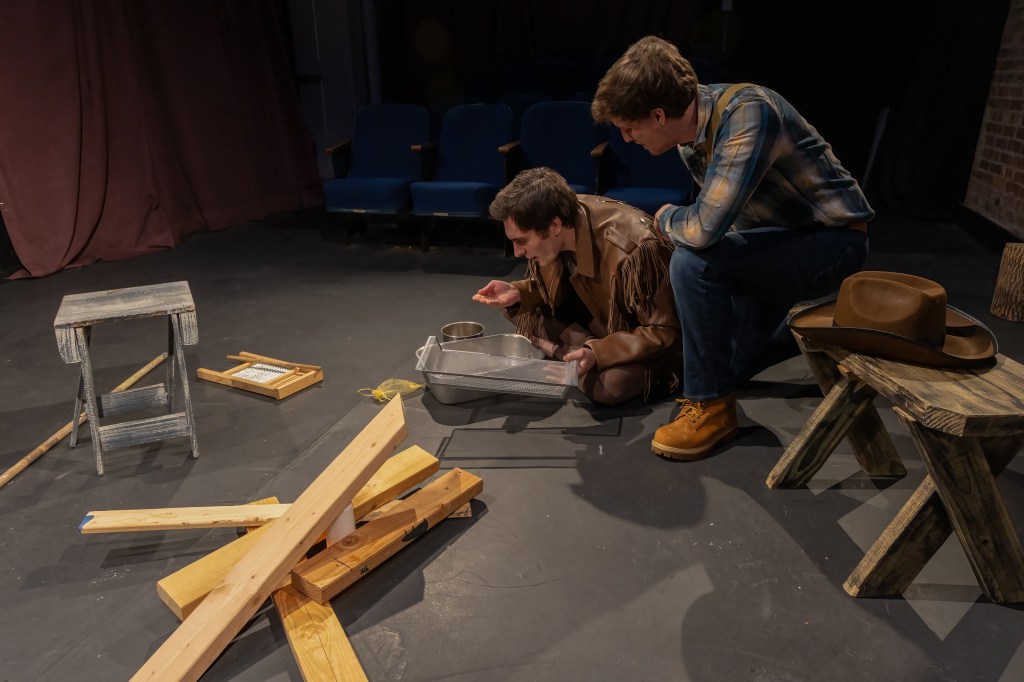
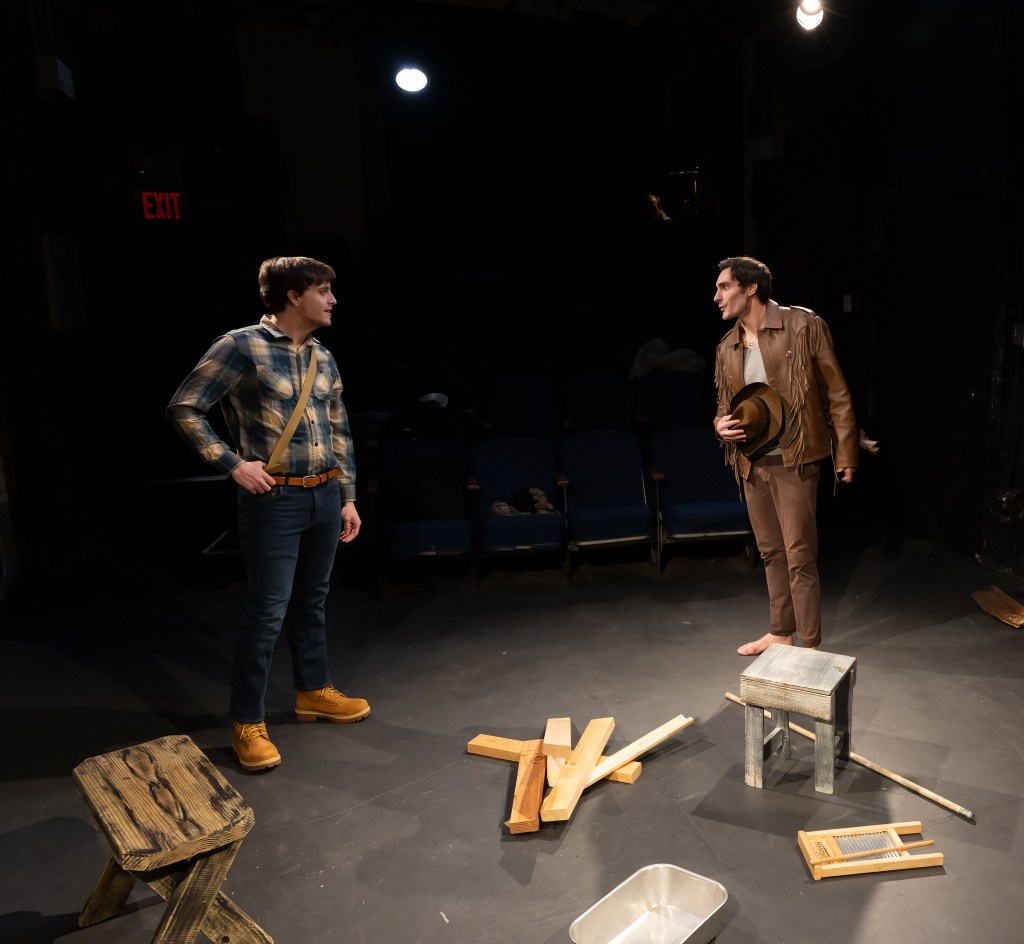
Fittingly first up is 1913’s A Wife for a Life, O’Neill’s debut play. This somewhat obscure work is known for being an early use of the trope of men in conversation about an offscreen woman. In this short but bittersweet piece, gold miner Sloan (Jonathan Beebe) sits at a campfire in the Arizona desert, waiting for his young buddy and colleague Jack (Travis Bergmann). But Pete (Paul Maurizio) arrives first, with a telegram for Jack, who exuberantly arrives with a bit of the gold they’ve been counting on discovering. Grabbing a bottle to share, Jack toasts to the gold mine he has named “Yvette”—and hearing that name makes Sloan go cold. It is here that the dramatic tension of Wife rises to a 10, as Sloan hears about Jack’s recent romance, and comes to a devastating realization. He has to turn his face away from Jack as he comes to terms with the fact that this man—who once saved his life—was also the one who helped upend it. Sloan grows to Hamlet-like intensity and indecision as he weighs forgiveness against revenge and ponders his own responsibility in the dissolution of his marriage.
Beebe excels as the haunted Sloan, conveying the heartbreak of a man utterly destroyed but determined to find the high road and get on it before he does something he’ll regret. Travis Bergmann provides a stunning contrast as the high-energy Jack, his jubilance contrasting with Sloan’s despair. The piece ends quickly and satisfyingly, and is well-realized by Director John DeBenedetto and the actors.

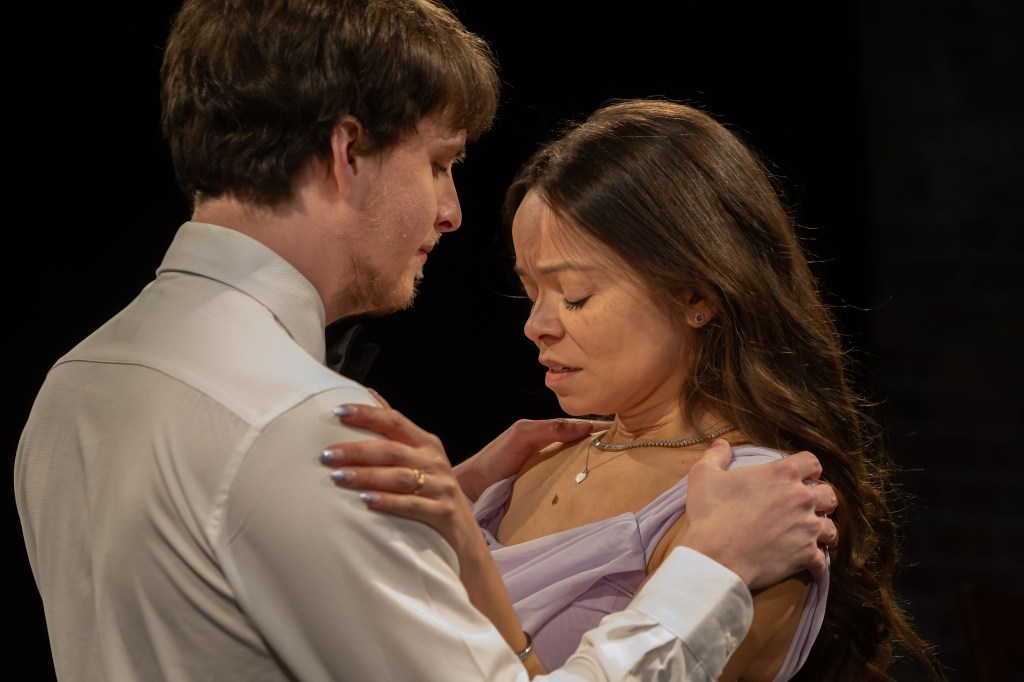
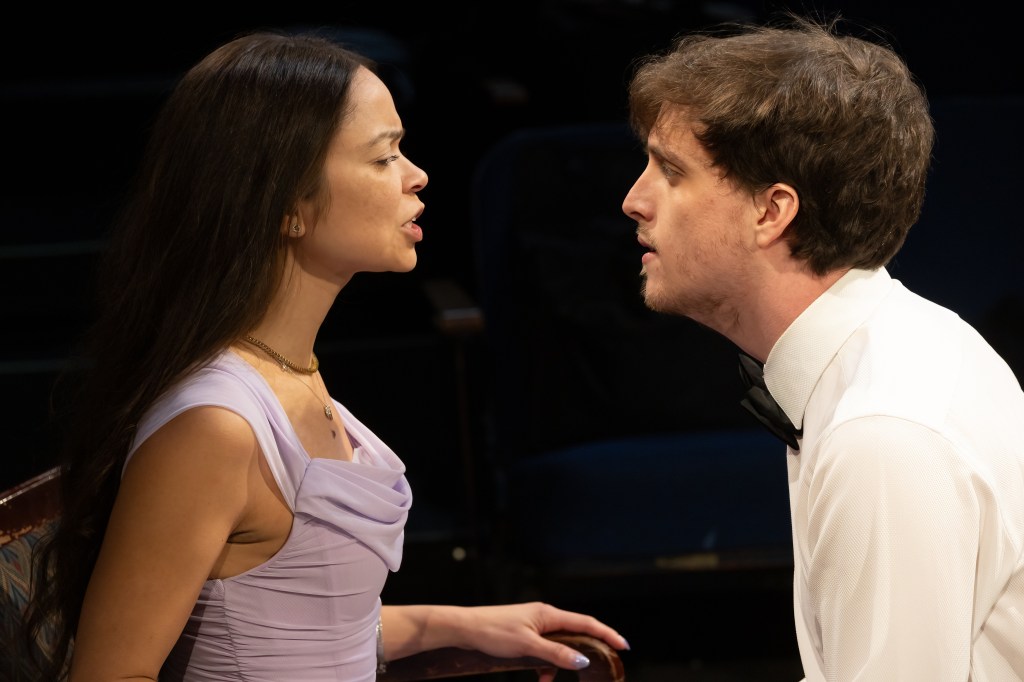
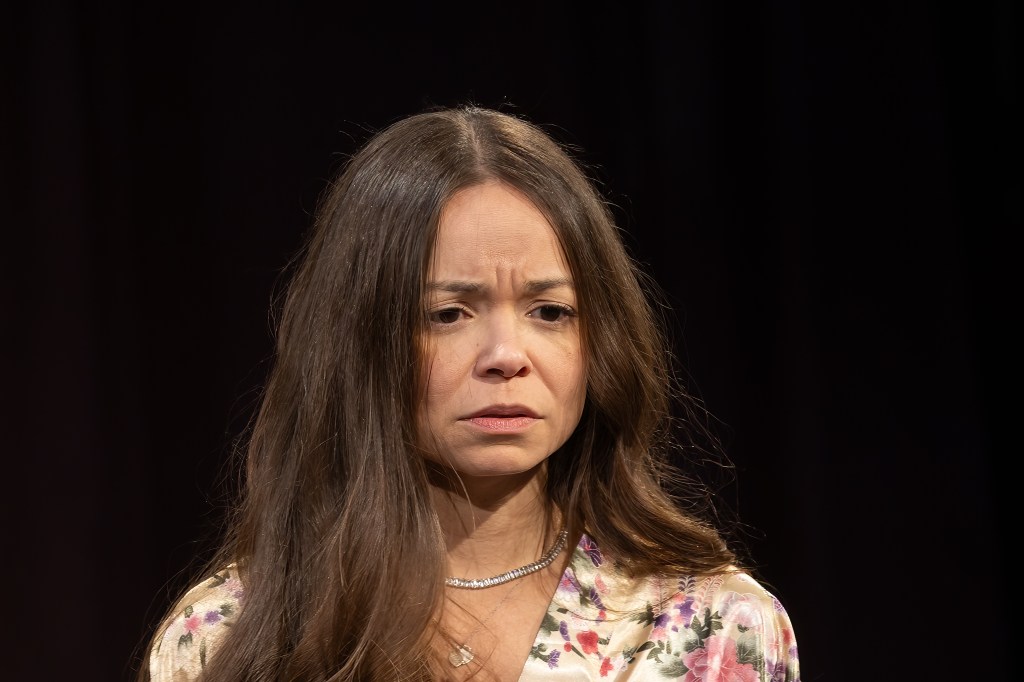
The Soap-Operatic Recklessness (also directed by DiBenedetto)quickly follows, just as it did in 1913. Bergmann is dramatically different here from the jovial Jack as the wealthy, brusque Arthur Baldwin, husband of Mildred (Natasha Sahs). There is no real love between the upscale Catskills couple, and the unhappy Mildred has found romance instead in an affair with their chauffeur, Fred (Beebe), which began while Arthur was out of town. As with A Wife for a Life, the actors’ skillful depiction of the intense growing tension among the characters as they ride a metaphorical runaway train toward destruction is what drives the melodramatic narrative. Emmy Potter adds more fire as the scorned, scheming maid Jean, whose revenge-minded meddling leads Arthur to make a terrible, vengeance-driven decision. Maurizio is the couple’s butler, who is forced into complicity by Arthur. The road to the shocking denouement is traversed beautifully by the company, from Maurizio’s growing unease to Sahs’ horror and heartbreak, from Bergmann’s ruthlessness to Beebe’s youthful energy. Having A Wife for a Life as the “opener” for Recklessness adds another layer to the audience experience of both, as the callous Arthur’s actions are in stark contrast to the choice made earlier by the more sensitive Sloan.

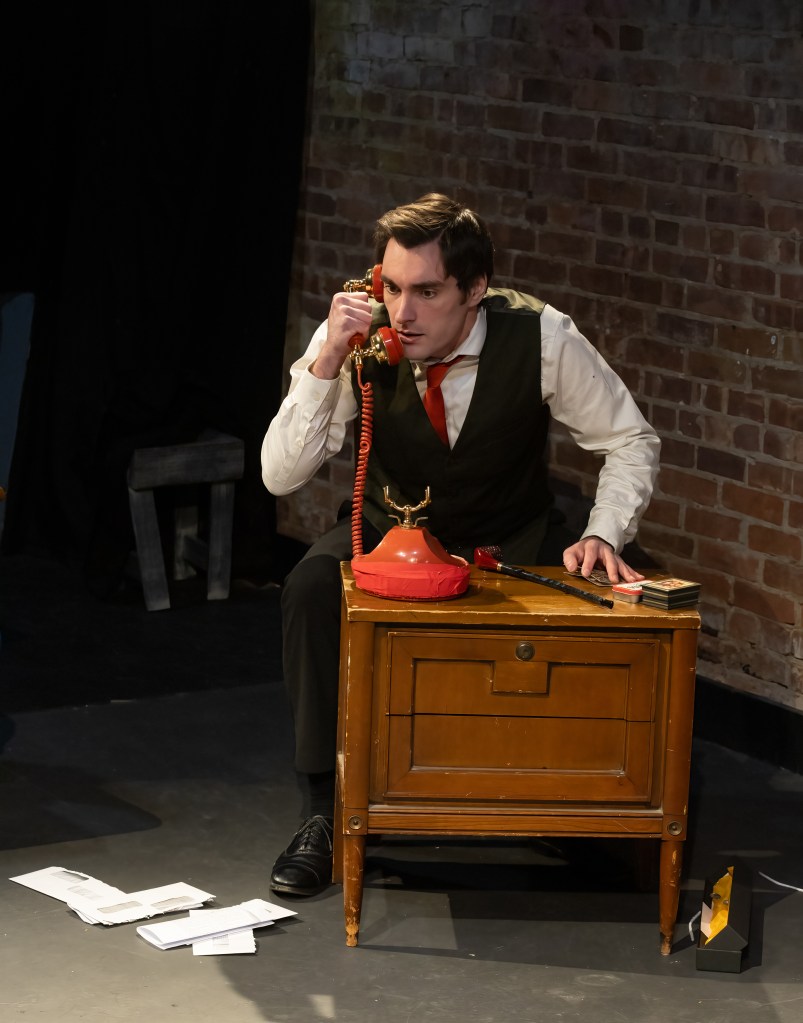
The two plays come together to provide a fascinating look at O’Neill’s earliest era, and are another great production from the American Theatre of Actors in its triumphant 50th season.
All photos provided by Dan Lane Willams Photography

Jim Catapano attends A Powerful Double Bill for Dark Times
AnomalousCo’s Stiffler and Bounds Resonate at the ATA
In December of its 50th year, The American Theatre of Actors was host to two astonishing one-act plays that take on the oppression and abandonment of women and the plight of migrants—two of the most important issues facing the world as it sees out 2025.
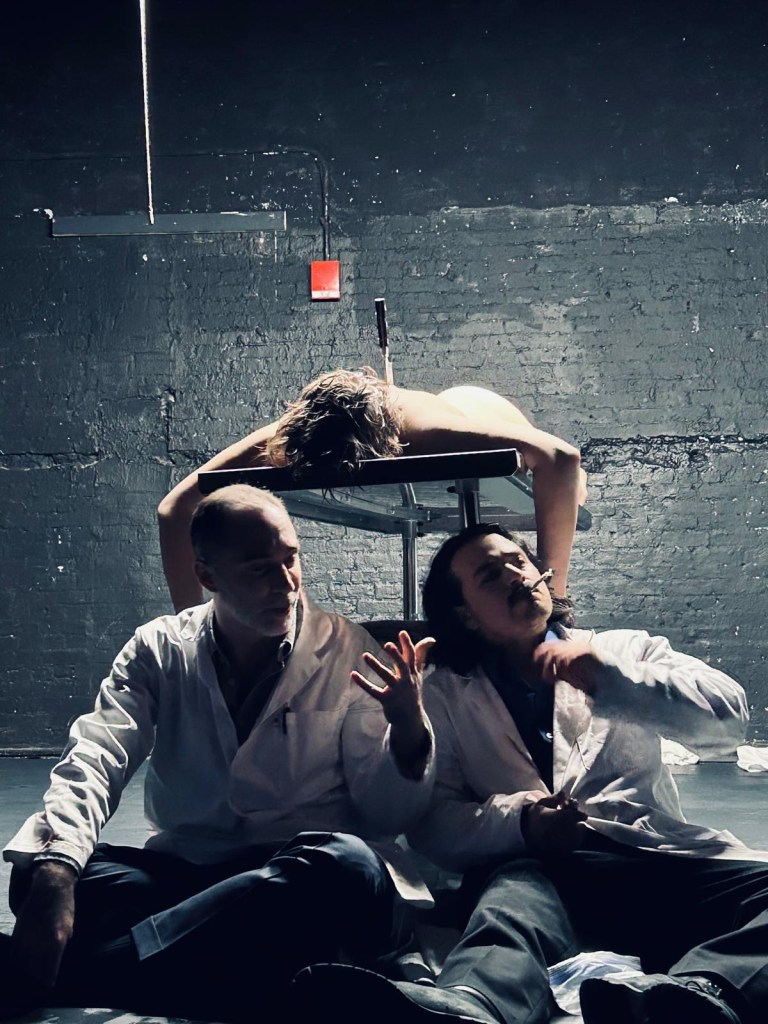
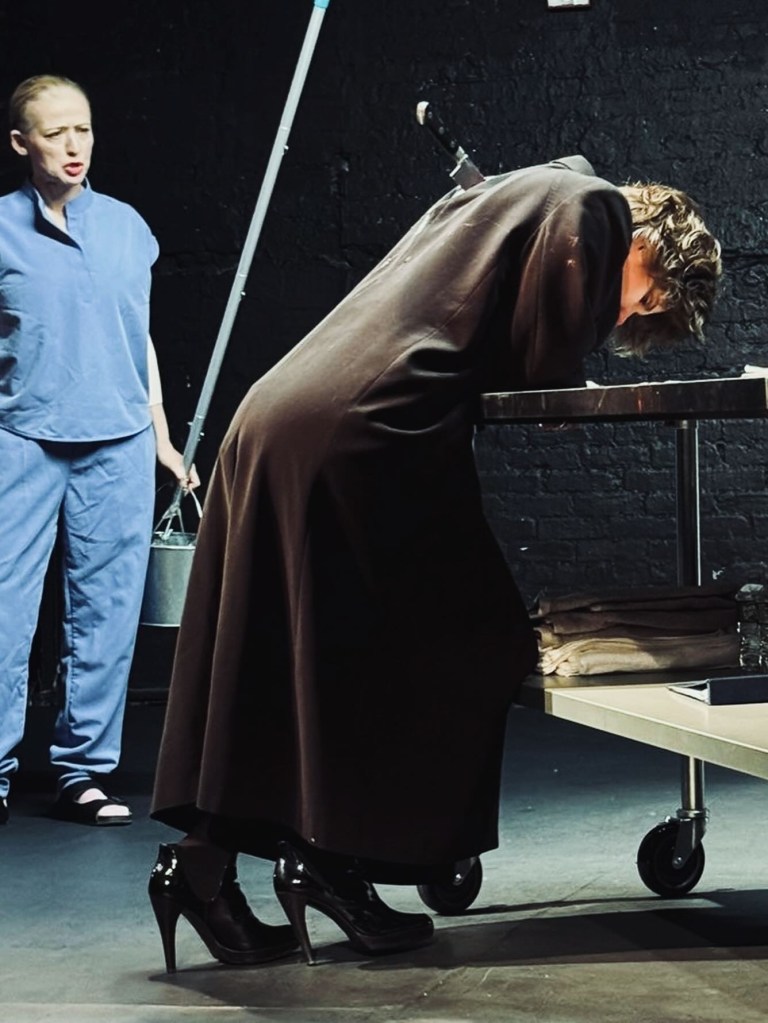
Stiffler is the work of award-winning Kosovan playwright Doruntina Basha. It is not an easy watch in any way, but as a study of systemic oppression, violence against women, and femicide, a completely crucial, unmissable one. Though some laughter emanated from the audience during moments of dark humor, the world of Stiffler is bleak and brutal; the stark set and harsh lighting complement the hopelessness of the situation and the cruelty of most of its characters. Diana Zhdanova gives an astonishing, heartbreaking performance as the mortally wounded Hava, desperate for help but finding only callousness and contempt, ridicule and revulsion. Stumbling into the ER after feeling a sharp pain and getting knocked out at a motel, Hava gets little compassion from the nurse on duty (Ylfa Edelstein); when Hava begs for water the nurse points to the sign above her station prohibiting it from being dispensed to patients; and later when she gets sick at the desk from the pain, the nurse makes her clean up the vomit herself, tut-tutting that she didn’t try to do it farther away.
“I’m sorry for the state you’re in,” sighs the nurse before noting in the same breath, “there’s some (vomit) left in the corner.”
When the nurse sees the huge knife sticking out of Hava’s back she’s more interested than concerned, and concedes to let Hava see a doctor…after she’s signed the necessary forms. This lack of empathy for human life—particularly that of a woman, coupled with the callous dedication to procedure, places Stiffler squarely in our own reality. The contempt for Hava among the people she encounters in her most desperate hour grows as it is revealed she is a sex worker, and those in authority deduce that she “must have done something to provoke” her client into attacking her.
“You and your kind paint a bad picture of us,” seethes the nurse.
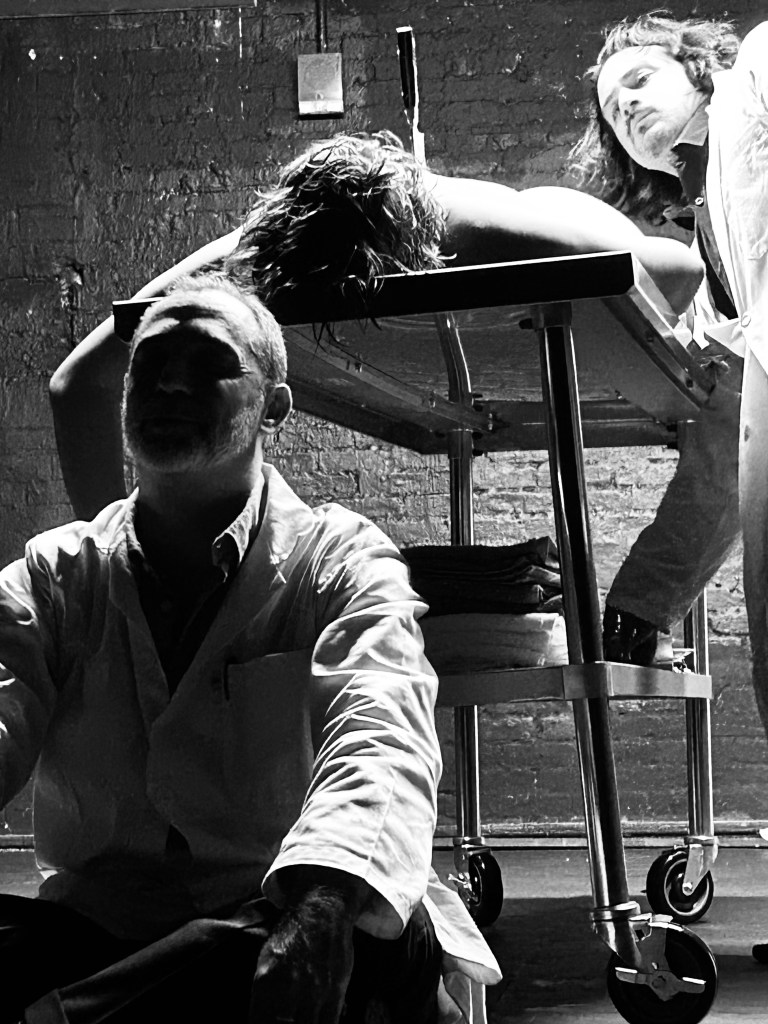
Thus Hava is now treated as the criminal rather than the victim, and she is subjected to verbal abuse, and psychological and physical torture by the vicious investigating police (Jeremy Goren and Giovanni Sandoval) that are purported to be helping her. When she has trouble breathing, the men say she can have the window opened—but she has to do it herself. During this latest ordeal the knife stays firmly in her back, a symbol of what the world at large has done to women. Zhdanova is incredible as a woman crying out to be seen as she fights physical and psychological agony, completely alone.
Hava’s story ends in a morgue, where even after death she is humiliated and treated as less-than-nothing; the attendants (Goren and Sandoval) roll her lifeless body around, and prop their clipboards and dictionary on top of her as if she were a table, as they consult the latter to come up with an appropriate but condemnatory name for her profession. And all the while, the knife remains. The only faint trace of compassion comes from Sandoval’s character, who literally takes a walk in Hava’s discarded shoes as he openly hopes someone will come to claim the body.
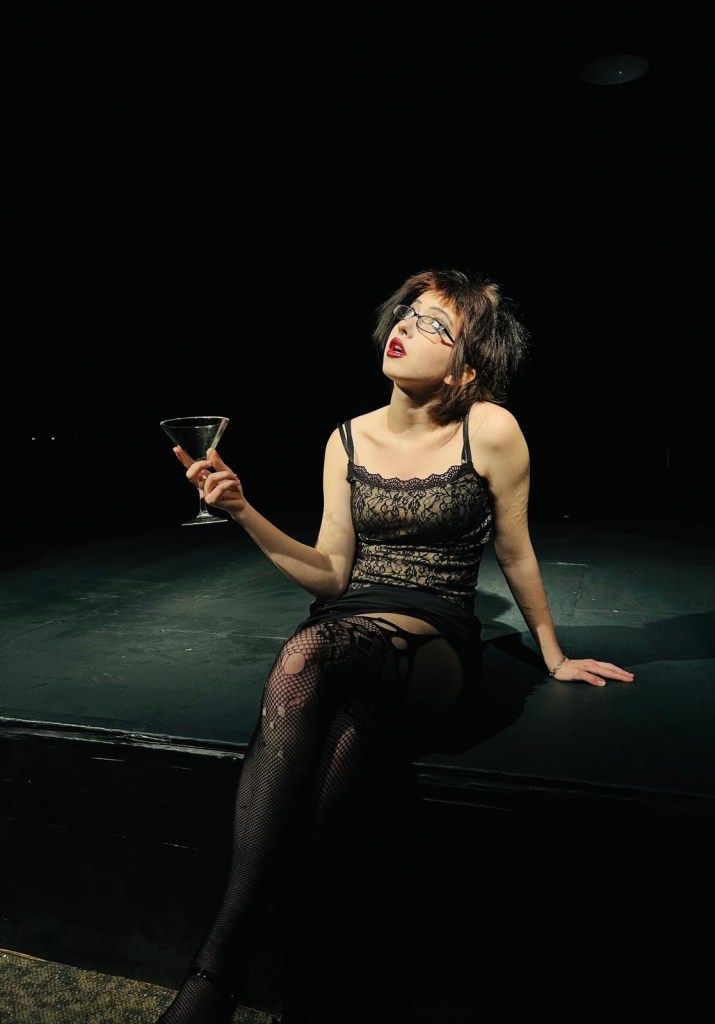
The scenes each end with a musical performance, powerfully punctuating what we’ve witnessed. Zhdanova joins Edelstein and Rina Brown in the fierce “Dead Men Don’t Rape” by Dellah Bon, and “I Love You Like an Alcoholic” by the Taxpayers. Edelstein also performs a chilling monologue as “Eyeless/Mindless Girl,” narrating her own story of being condemned and humiliated at the gynecologist. She describes herself as a “child of the roadside motel/gynecological clinic…all grown up with her very own souvenir” (now 8 weeks after conception), and muses that daughters who do bad things make their mothers sick.
“Boys can be lost in the dark, nothing happens to them,” she observes. “Girls can’t be lost in the dark because they’ll give their mothers cancer.”
Brown later narrates a first-person tale as the “Girl of the Two Hundred-Year-Old Cobblestone,” another woman brutalized and left for dead—abandoned like an empty bottle, broken on the cold streets.
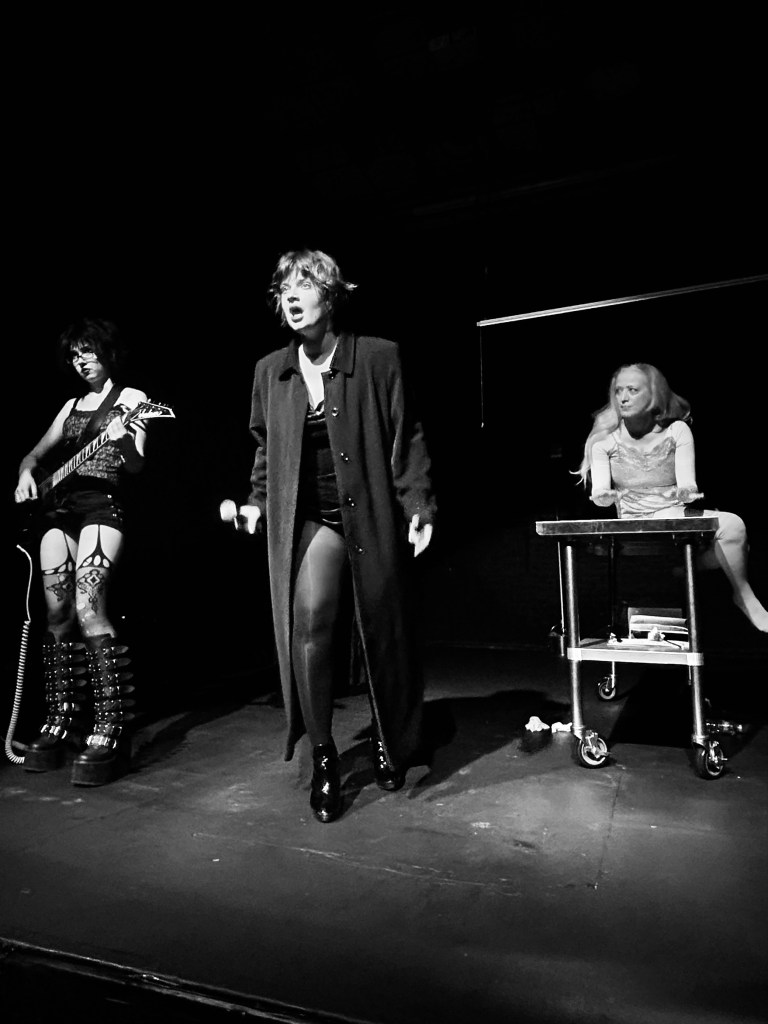
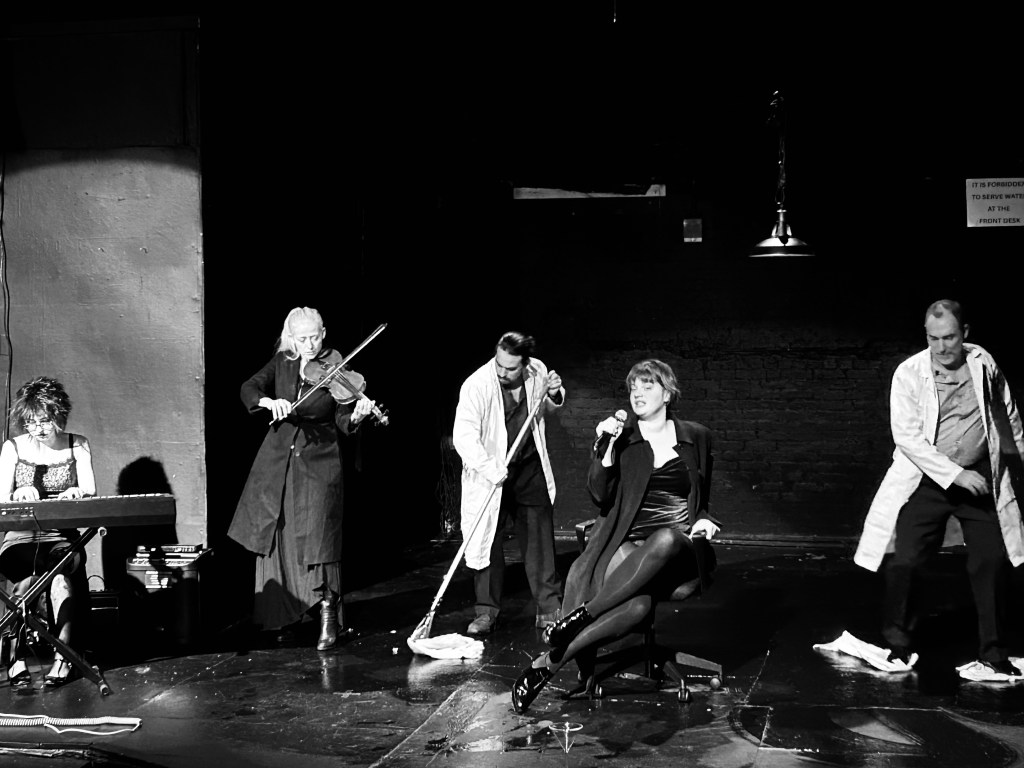
Diana Zhdanova
Stiffler is a stunning work that drives home the barely concealed contempt that our patriarchal society has for women, and devastatingly reminds us that its tragic, operatic story is not in any way removed from our current reality.
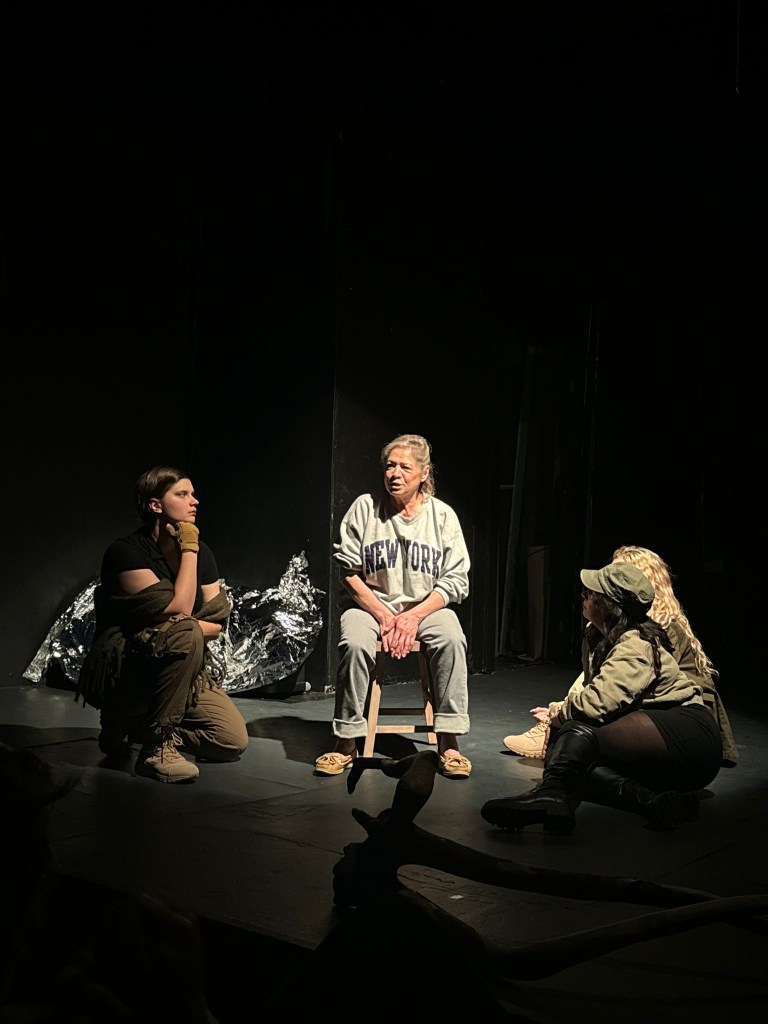
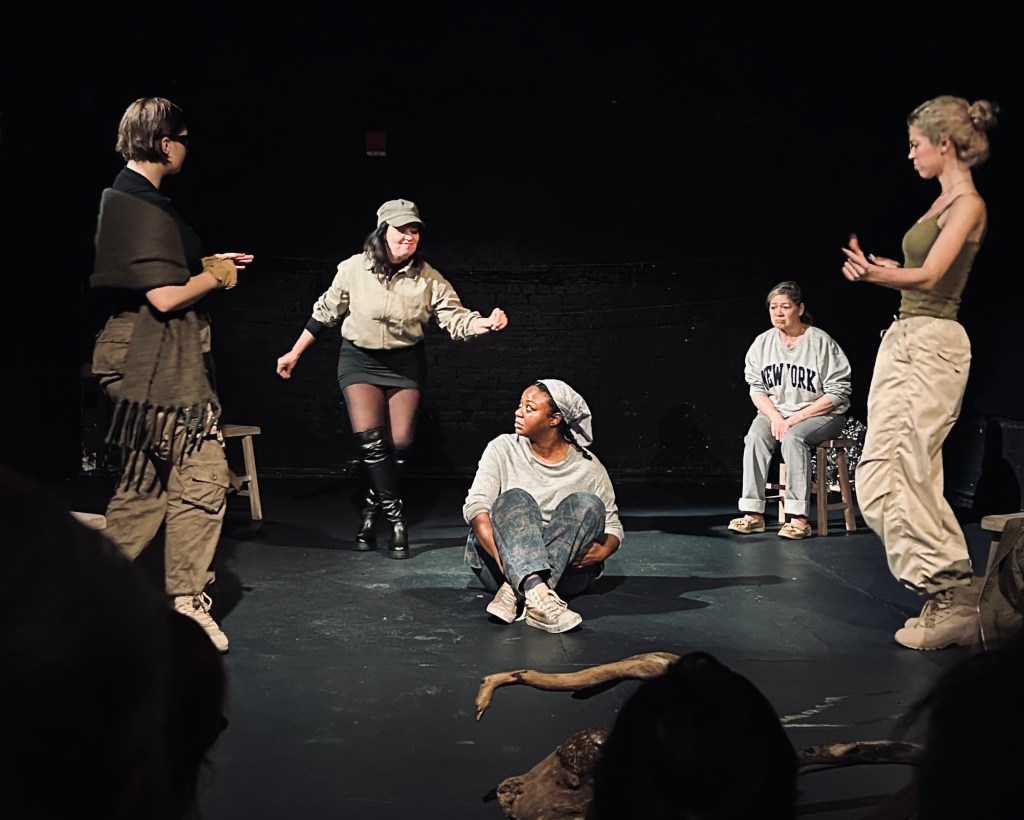
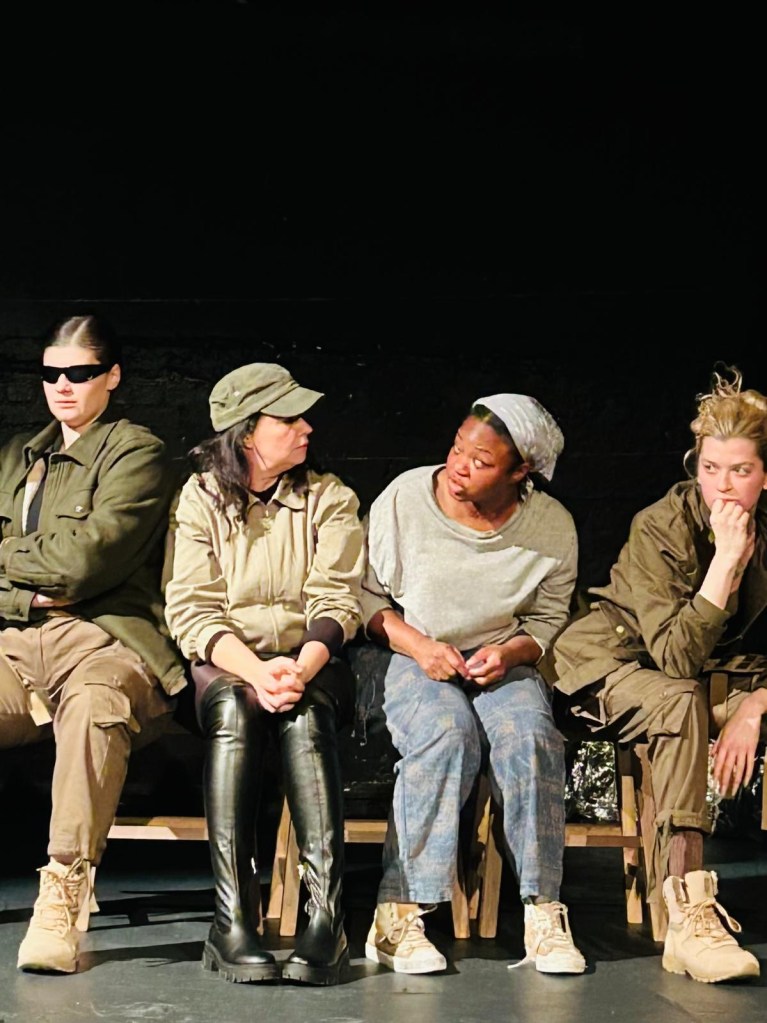
Bounds, by award-winning Italian playwright Tino Caspanello, was written in 2012 in a response to the recent migrant crisis in Europe. It was a time when thousands perished; others made it to freedom only to be rejected; and some were trapped in camps where they remain to this day. The playdepicts five women brought together in this frightening predicament, adrift on an unnamed shore. Two are military guards, two are migrants; the fifth woman is both.
One woman (Tia Cassmira) poignantly and powerfully sings of her desire and intention to simply have her own chair: “to sit on, to rest on, to dream on, for traveling, for laughing…a chair to sing my song on, for looking at the stars, for taking the air, for collecting rain…a chair to hide from death.” But the one actual chair among the women, symbolically, has to be “won.”
The group try to occupy themselves but grow restless. “There must be something else we could be doing,” sighs one woman.
“Like what?” says another. “We talked, we ate, we kept quiet, we slept and then we slept again, and now we’re playing. What more can we do?”
“What if we dance?”
Thus begins a brief moment of pure joy, where the women come together as one in transcendent movement, but also are likely imagining themselves as individuals on the road to freedom. But in the end, they know only one of them can ultimately be “chosen,” with the imagery of the childhood game “Musical Chairs” again illustrating the brutal point that most of them won’t make it.
Zhdanova, Cassmira, Simona DeFeo, Wilemina Olivia-Garcia, and Greta Rustani are the women; the actors hail from diverse backgrounds and experiences, and seeing them passionately joining together to tell the story of migrants, and to champion not only their rights but the rights of women everywhere, is intensely moving and inspiring.
These two crucial works are directed with compassion and extraordinary skill by Kathryn Mederos-Syssoyeva.
“There are a couple of really key issues which ground AnomalousCo theatre company,” noted Mederos-Syssoyeva while introducing the plays. “One is elevating, foregrounding, giving space to the perspectives of women…in some cases the writers themselves are women; in other cases it means that the plays are female-centric; and the second equally important thing is foregrounding the voices of immigrants, migrants, and also very broadly, voices from abroad interesting in bringing to New York a very strongly global, international, multicultural perspective through the work that we do. I don’t think we’re alone in thinking this increasingly urgent with every passing hour, if not every passing minute.”
Learn more about the Company’s work at Anomalousco.com/.
 Arts Independent