
Home » Articles posted by jaymichaelsae (Page 26)
Author Archives: jaymichaelsae
A very merry “Wives”
The Merry Wives of Windsor Review by Jen Bush
The American Theatre of Actors has been in operation for 46 years. This supportive institution provides a creative playground for new playwrights, directors, and actors to nurture their work. Edie Flaco, Dennis Quaid and Chazz Palminteri are just a few of the many notable artists who have worked with this theatre. They present this version of The Merry Wives of Windsor.
The Merry Wives of Windsor centers around the characters of John Falstaff, Mistress Ford, Mistress Page and Anne Page, daughter of Mistress Page. The unscrupulous John Falstaff is after the fortunes of the mistresses’ husbands. He endeavors to seduce the two unwitting housewives to flee with the fortunes. Anne Page is courted by three suitors but she only desires one of the three. Mistress Ford and Mistress Page get wind of Falstaff’s scheme and come up with a scheme of their own to humiliate him.
Undertaking a Shakespearean play is a challenging endeavor, and this company was certainly up for the challenge. Every pun, metaphor and simile in this play was delivered diligence. The Bard’s beloved boisterous comedy was in excellent hands with this international, multi-ethnic talented cast. Each and every one of them deserves a shout out and that’s exactly what they’re going to get.
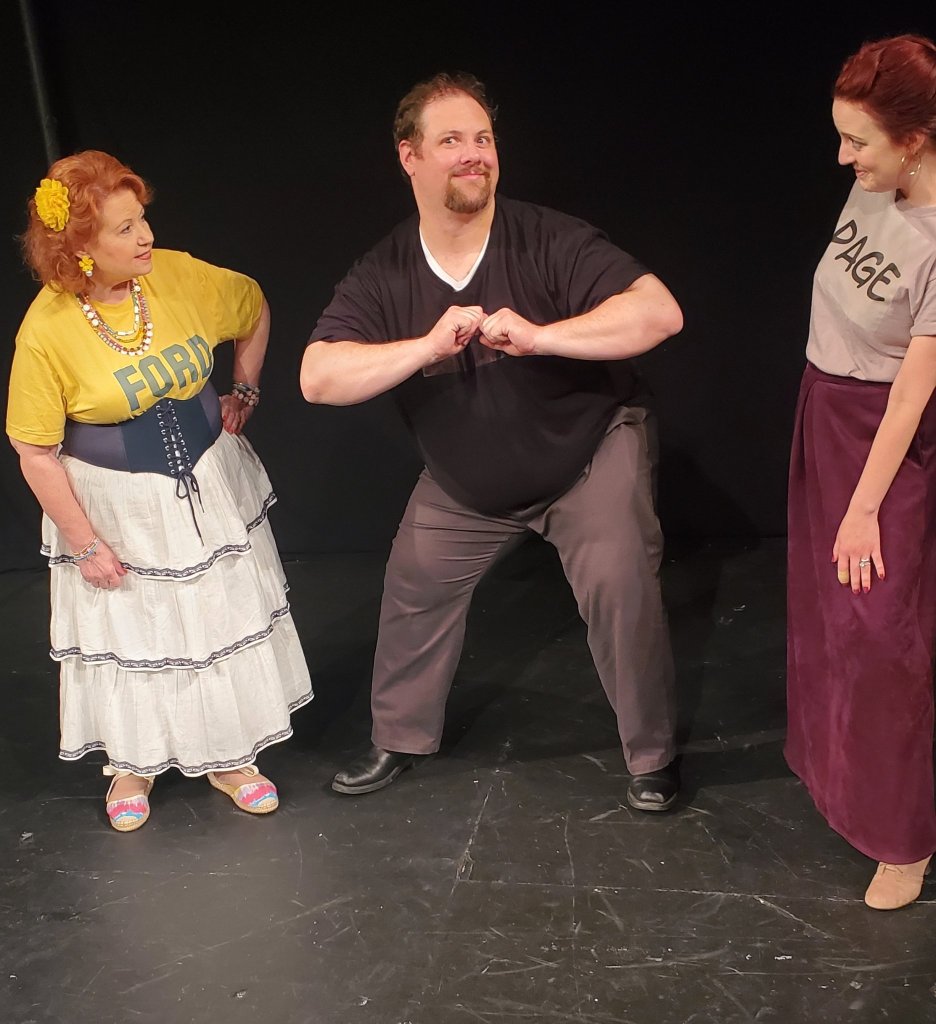
Michael Bordwell is no fool, but he pulled off playing one. His comedic command of John Falstaff was a pure joy to watch. Amanda Cannon, Amber Brooks and Jake McMichael all took a page out of the Shakespeare book of fine acting with their portrayals of members of the Page family. Amy Losi was a worthy adversary for Falstaff with her cunning portrayal of Mistress Ford. Tom Kane gave a fine performance as Shallow. As a self-professed late bloomer in acting, what he lacks in time, he makes up for in talent. Alan Hasnas was so good, I didn’t even realize he was playing two characters until further into the play. Gabe Girson played Slender with Slender loving care. Having seen Manny Rey in a previous production, it’s evident that he’s got range and a strong command of the characters he portrays. Ken Dillon gave a solid performance as Sir Hugh Evans. Well done, accent and all. Dustin Pazar was a winner as the winning suitor, Fenton. The third time was a charm for Sky Spallone (great name!) as this was her third production with A.T.A. Vicky Gitre handled their three roles with keen expertise. Having studied biochemistry, Riyadh Rollins definitely had a lot of chemistry in his roles of Pistol and Second Servant. Nicole Arcieri was simply the best in her role of simple. The multilingual Marc Martin wowed the crown with his French Doctor Caius. Jake Minter’s double duty playing two characters was doubly good.
The actors utilized two levels of the stage. Shakespeare plays do love a good balcony scene. The fact that there were minimal set pieces was of no detriment. It made it easier to concentrate on the fine acting. The costumes were clever and inventive. The finale was illuminating. The production was directed and co-directed by a pair of A.T.A. veterans. Award winning director Ken Coughlin knows how to direct an actor because he is an actor and a good one at that. He gave a memorable performance in Banned in Bisbee as a military man also at A.T.A. Laurie Rae Waugh, also an award-winning director, handled assistant directing duties expertly. You have until July 3rd to make merry with this production of The Merry Wives of Windsor. I would suggest you make haste and see it.
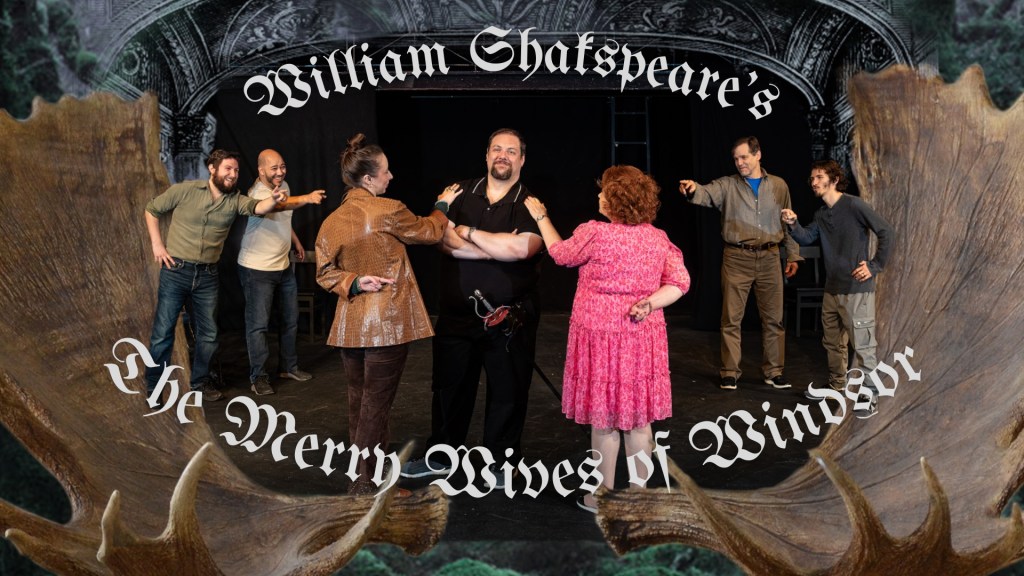

The World According to Antonia
Antonia Kasper Interview by Jen Bush
A highlight of Pride Month is all the exciting happenings in the performing arts world. From lively stage productions to passionate songs sung loud and proud, entertainment is in full swing.
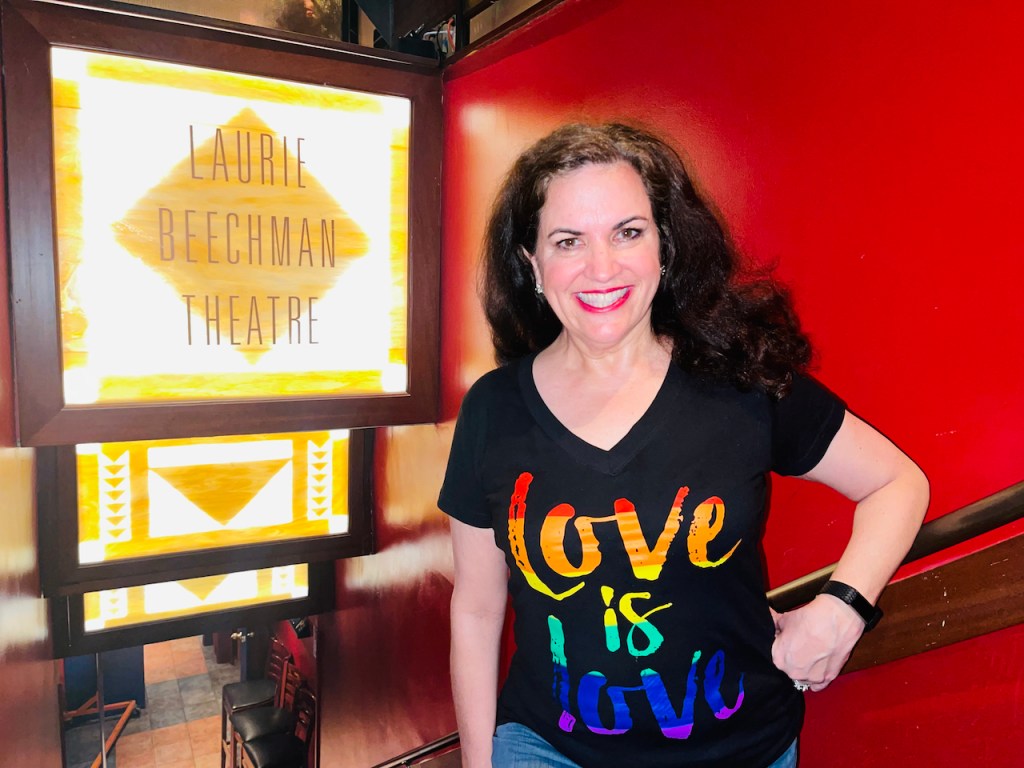
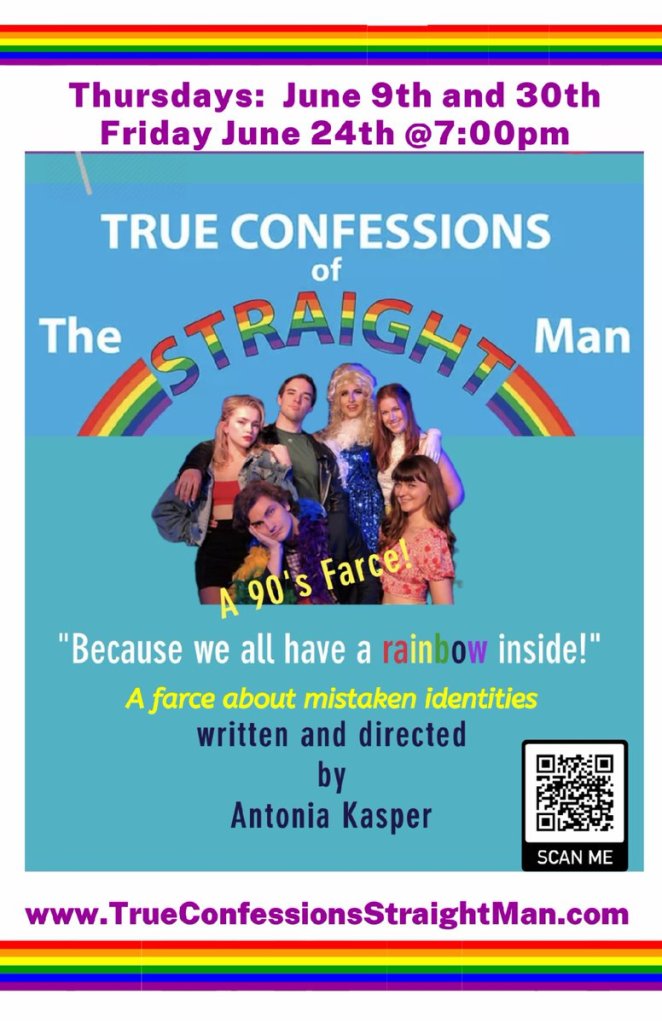
Antonia Kasper happens to have a wonderful show playing this month. Antonia Kasper is an award-winning writer, producer, director, and actress. The comedy that she wrote and directed, True Confessions Of The Straight Man is currently playing at The Laurie Beechman Theatre. Through her craft, she endeavors to feature people who are usually in the shadows. Her pieces are humorous with a message, and she considers her job well done when her work resonates with people. “My mission as a writer is to give a voice to people that are sometimes not heard. For me, personally, it’s women and men of a certain age, or that may have had a turbulent past that isn’t visible to most. I like to write edgy or quirky material and now especially with all the hardships in the past few years, I feel comedy is really needed right now. Because I’m from a comedy background, I love writing comedy with some dramatic or poignant underlying message. Connecting with people and connecting people through writing is my most important mission.”
Ms. Kasper doesn’t have to look far to find her keen observations for her works. “I get most of my ideas and observations from my personal experience or experiences of people I know around me. The everyday man or woman struggling for their own integrity, purpose or truth in an environment that doesn’t support those honorable traits. At this time, like with True Confessions of The Straight Man, I’m redefining older writings that originated in a past time but that still feels timeless in many ways. Some topics I have written years ago have messages that are still relevant today.”
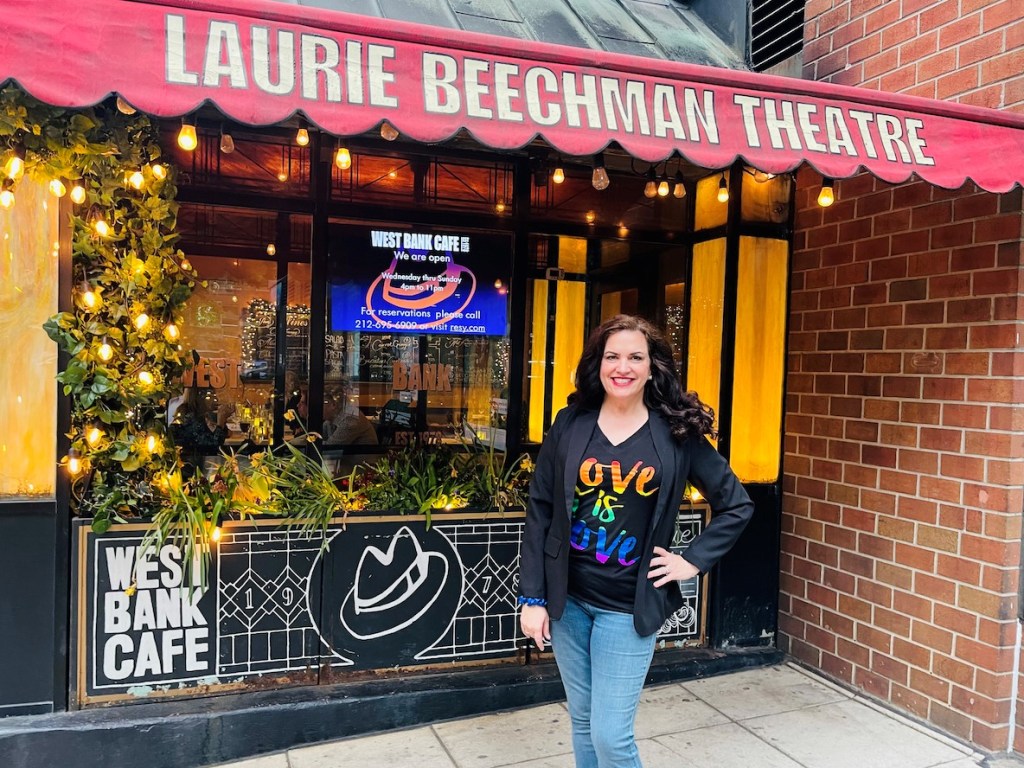
The pandemic has most certainly changed the arts, but it also presented a challenge to artists to be more creative with limited resources. Ms. Kasper rose to that challenge and came away with added techniques. “Well, as far as stage productions, Covid has obviously really hurt the theatre. But I do try to look for any positives or take aways from challenging times. Though people still aren’t going to live performances like they used to, artists have learned how to pivot with their art. For instance, learning how to live-stream and have adjusted what was once a stage performance to more film/tv or camera type styles.
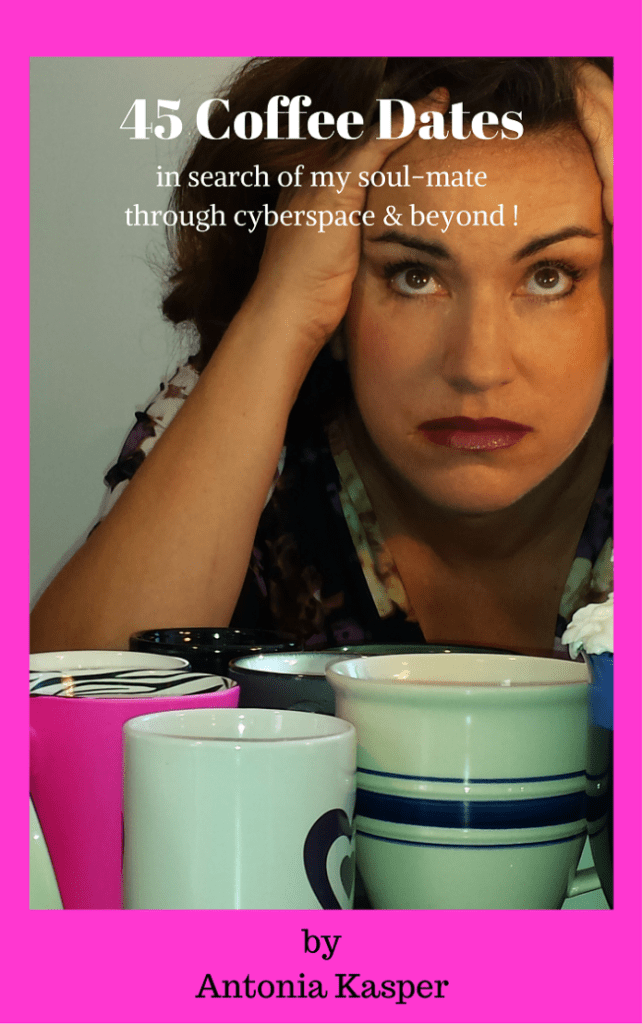
At least, that’s what I learned for myself. In the middle of the pandemic, I performed my one woman show “45 Coffee Dates” and restaged much of it for camera-type streaming. I found some interesting choices that I would have never found without the pandemic. A few months ago, I performed the show live and took some of those acting choices I found through zoom performances that also worked well on stage. So, I believe many artists and the art supporters have had to “think outside the stage box” which has opened up alternative and interesting ways of interpretation and expression. But performing at home in front of your computer or phone is daunting. On the other hand, what’s theatre without an audience’s laughter, gasps or applause? It’s hard to hear or see how people are reacting to your art when you are performing to a blank screen. Nothing beats live performing. While directing “True Confessions of The Straight Man” I found the initial auditioning process more convenient for both the creatives and the actors auditioning because everyone is using zoom now. But live call backs and rehearsals are more challenging with vaccination card checks, regular Covid testing and mask wearing. Though all the compliance is slowly being phased out in theatre and the arts, it’s still difficult to say where we are all headed in the future. Hopefully, artists, the arts (and the world) will get back to normal times…like the way we lived BEFORE the pandemic.
From Three’s Company to I Now Pronounce You Chuck And Larry, a straight man pretending to be gay has been a concept utilized on stage and screen time and again. Through a careful balance of comedy and character depth, Ms. Kasper found a way to convey an important message using this concept. “Three’s company revolves around a living situation, whereas Todd in True Confessions of The Straight Man is always pegged as being gay because he’s handsome, sweet, sensitive, and still single in New York City and plays gay to get the girl. Kate, who has been burned by guys, almost projects her wanting Todd to be gay onto him. It’s farcical and though an outlandish story it is based on some of my own experiences in Hell’s Kitchen in the 1990’s. All the great guys I knew and could relate to were gay. I thought the concept of a straight guy pretending to be a homosexual “to be cool” was a twist to the homosexual guy pretending to be heterosexual to be “accepted”. So basically, Kate makes Todd gay, and he plays along to get to know her better but gets in over his head playing this charade. It escalates when everyone in the show takes on different personas. The show twists and turns with mistaken identities and disguises. But through wearing different masks, the characters begin to understand each other. The show is a farce but does have a poignant message about living in someone else’s shoes for a time being – about understanding each other and acceptance.”
With projects galore coming up, Ms. Kasper will be keeping busy utilizing her artistic gifts in the arts world. “Though film and television work is ramping up for me right now, understandably so, I hope to do more live theatre once we can get through this still unpredictable time.
It would also be nice to see “True Confessions of The Straight Man” extended or continued after the summer. With Kasper Productions, I have some new works in development which includes an exciting new musical with original music and relaunching another period piece. In October,I will be directing Phyllis Gordon in her one woman show, “Em-Pathetic” at The Emerging Artists New Works Series. And when theatre is more robust, (crossed fingers in the fall/winter of 2022) I plan to perform my one woman show “45 Coffee Dates- In search of my soulmate through cyberspace and beyond!”
“I hope we all continue to rise through this prolonged tough time and everyone feels more confident going out and seeing theatre again soon!”

Bill Eisenring reviews GIDION’S KNOT
REVIEW by Bill Eienring
Gidon’s Knot
Theater Row (6/16-6/27/22)
Johnna Adams. Playwright
David E. Shane, Director
Starring:
Nicola Bertram
Laura King Otazo
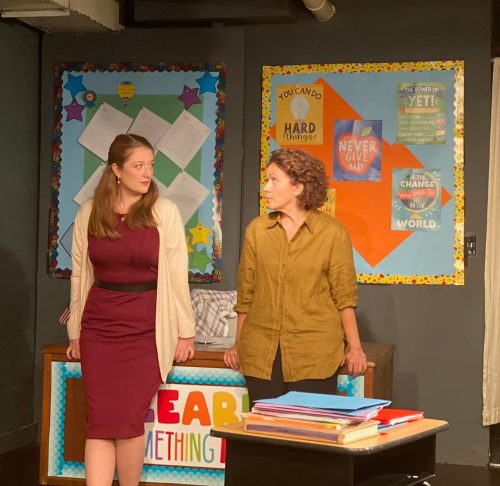
(Photo provided by Dan Lane Williams (DLW Photography)
If you are a lover of theater, and not triggered by the suicide of a preteen boy, then rush to get tickets to
Gidon’s Knot at Theater Row. Johanna Adams has written a play of extraordinary quality, Director David
E. Shane has embraced Adams text and actors Nicola Bertram and Laura King Otaza do a fantastic job
transferring Adams words and Shane’s vision to the stage.
This 90 minute gem is far better than much that has made it to Broadway and has writing as good as How I Learned to Drive.
Gidon is 11 years old and suspended from school. A day later he commits suicide by handgun. His mother
wants to understand why. She shocks his teacher by keeping the appointment she was requested to make
after the suspension. The confrontation is both “gentile” and devastating.
A grieving mother striving to understand why an institution where she had sent her son to be both safe
and academically challenged failed him on both counts. Gidon’s mother would love to untie the Gordian
Knot that triggered her son’s death, but, when she leaves her meeting, we are fairly certain she has
recognized that she needs to cut it.
Adams challenges the audience to recognize the difference between who Gidon’s teacher presents herself
as and who she actually is. Just as Lucas Hnath in Dana H. required audiences to reject their vision of
what a mother “must” be, Adams, more subtly than even Hnath, needs the audience to see through teacher “Heather’s” veneer and see who “Heather” is.
MICHAEL HAGINS ON THEATRE ROW: Rachael Langton on social justice
Rachael Langton, Director.
Interview by Jen Bush
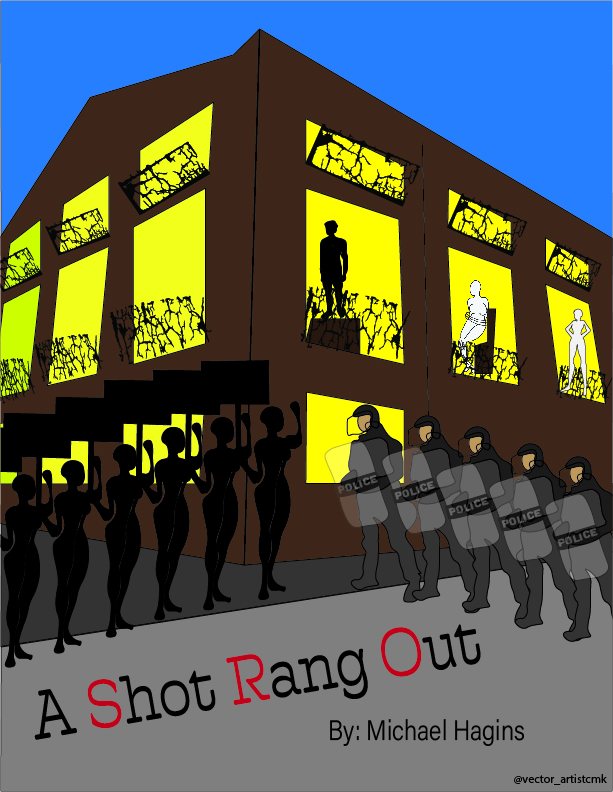
As the director of A Shot Rang out, Rachael Langton is excited to bring this new, compelling, and important piece to the stage. “I am a theater director who specializes in new work. I’m especially drawn to work that discusses the complexities of activism and social justice. I like to work with playwrights to develop their stories so that they can be realized into full productions.”
Michael Hagins’ WORLD PREMIERE:
A Shot Rang Out. Thursday, June 23 @ 8:00 pm; Theatre Row Studios (Theatre 2).
Thursday, June 23 @ 8:00 pm; Theatre Row Studios (Theatre 2) , NYC
Produced in association with the Downtown Urban Arts Festival
A white police officer is trapped in a warehouse during an increasingly violent protest with a scared Black teen and a disgruntled schoolteacher.
For Ms. Langton, the appeal of this play was a combination of the topic and the expressiveness of the physicality that takes place in the production. “I was drawn to the subject matter and the stage combat. I love how Michael takes a topic and puts it into a pressure container which forces characters of different backgrounds and beliefs into conflict. And as a stage director it’s so much fun to work with stage combat as a means of expressing the anger each character viscerally feels. I’m also drawn to the play’s subject matter of police brutality and have worked on a few theatrical research projects with the police department and think this piece does a good job exploring the divide between police protocols and humanity.”
Ms. Langton’s creative process involves a comprehensive evaluation of the script as well as collaboration with the artists. “I am a huge fan of script analysis. I start off by reading a play and noting my initial reactions, and then I go through the script to analyze it for plot, character, given circumstances and theme. From there, I put together a list of images or ideas that resonate with the play and start planning rehearsals. In rehearsals, I share these images through table work and staging, and then collaborate with actors to merge all the ideas in the room into one cohesive story that we can share with an audience.”
Ms. Langton recognizes the added responsibility that comes with undertaking a work with serious subject matter. “I think it’s important to research and meet each character where they are without judgment. Each character in this play is human and is coming from a specific perspective that makes sense to them, even if that perspective is problematic and hurtful. Without exploring that problematic perspective, and honoring it as a real circumstance, we cannot get to the core of why people do things. This is essential to starting a conversation to bridge the divide and start to implement change.”
While the pandemic changed every aspect of life as we know it, a positive change is that the health and safety of individuals is being treated as paramount during the ongoing challenges of Covid. “I’m really happy that a few changes are being implemented in the theater world: health matters overall. The actors and team’s physical and emotional well-being are finally being held as top priorities in the rehearsal room.While testing and masking is exhausting, it works and allows us to be back in the space together and do this vital work.”
After the run of A Shot Rang Out, producing and directing projects will be keeping Ms. Langton busy for the foreseeable future. “Next, I’m also directing a play in The Chain Theatre Festival called Self-Storage by Eugene Grygo and a one-woman show at The Secret Theatre Festival called My Fellow Americans by James Armstrong. In August, I will work with Rising Sun Performance Company to produce a weekend of children’s plays in Central Park.”
From England to NYC: It’s Amber Brookes
Amber Brookes Interview by Jen Bush

The American Theatre of Actors production of The Merry Wives of Windsor is being made merrier by having a bona fide Brit in the cast. Amber Brookes is delighted to hone her craft in the city where the vibrancy of theater lives and breathes. “My journey as an artist began in my tiny hometown of Derby, England and I am beyond excited to continue learning, growing, and creating in New York City. My goal as an artist is to embody the human experience and tell stories that people can relate to, to offer understanding in hard times, and to extend the joy of escapism whilst allowing people to consider looking at the world a little differently.”
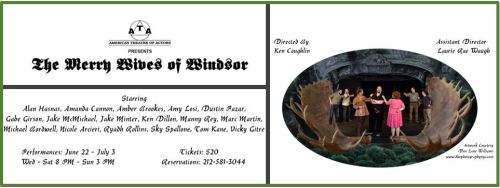
Ms. Brookes thinks that Shakespeare is beneficial for any actor. “Actors should absolutely give Shakespeare a try, even once. not only is the language beautiful but it’s generous, there’s so much room for exploration.”
With prolific prose about love and quotes like, “This bud of love by summer’s ripening breath, may prove a beauteous flower when next we meet.” and “Shall I compare thee to a summer’s day…”, Shakespeare knew a thing or two about the magic that summer holds. That’s when we see a plethora of his plays being performed. Ms. Brookes agrees. “There’s a sense of romance in the air when the weather is warm and the days are long.”
In the current climate, laughter is the best medicine and that’s what drew Ms. Brookes to this role. “Times have been hard, globally, and comedy is a certain sweet relief.”
From the classic to the contemporary, Ms. Brookes has a wide range of inspirations. “I draw inspiration from great actresses across the decades, from Audrey Hepburn to Zendaya. I’m continually inspired by my fellow actors and colleagues in the city.”
Ms. Brookes creative process combines visual aspects with research. “It depends entirely on the project but in terms of getting into character I like to create visual aids for myself including mood boards, or photoshoots in character. I research the time period and the location. I create diary entries in character.”
The pandemic was hard on everyone worldwide, but it was particularly difficult for Ms. Brookes on a personal level. “The pandemic changed everything for me. It hit a few weeks before I was due to graduate from Acting school. It caused huge complications for me due to my immigration status, I haven’t been able to visit my home and see my family in three years. Everything is different. The way I view the world is entirely different. But change is necessary, and change is the only certainty we are offered in this life, what should be different is our attitude towards one another. Our compassion and understanding, our empathy. I think we need art now more than ever; we deserve a form of escapism especially in trying times.”
Next up Ms. Brookes will be going from Shakespeare to Shanley. You can catch me live on stage portraying ‘Brenda’ in Four Dogs and a Bone directed by Art Bernal at ATA this August! Ms. Brookes will be sharing her talents to the merriment of audiences all around.

Louis A. Josephson: “I continue to explore what it means to be an artist.”
Louis A. Josephson Interview by Jen Bush
Louis is a New York-based collaboration-focused composer, music director, and producer. At Age 3, Louis began writing and performing songs at the piano. As a child, Louis was exposed to different styles of music from classic rock in the car with his parents to classical music at the concert hall with his grandmother. Since then, his music has been performed and recorded by esteemed ensembles including The United States Air Force Band, The Juilliard Orchestra, The All-National Honors Concert Band, Sirius Quartet, and various Juilliard chamber ensembles. His music has been featured in various festivals including Tribeca New Music, Association of Concert Bands, National Association of Music Educators, MakeMusic, and Jersey Fringe. He is published by Wingert-Jones Publications, Inc.; A Division of J.W. Pepper & Son, Inc. He is currently studying composition at The Juilliard School with Robert Beaser.
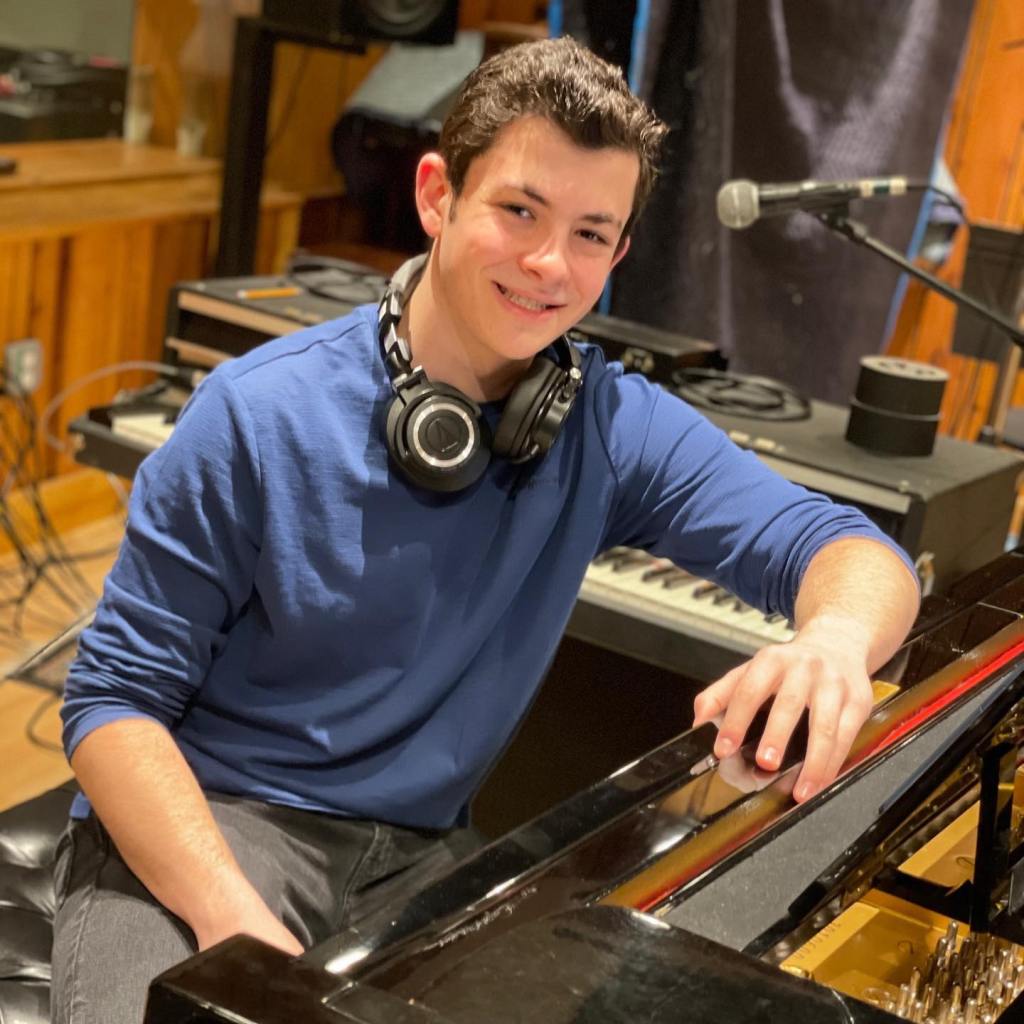
A musical prodigy at age 3, Louis A. Josephson considers his artistry to be a flexible and fluid thing that is ever evolving. “I continue to explore what it means to be an artist. Lately, I have been fascinated with the idea of using art to express complex emotions and the idea of relating my personal growth to my musical language. I am also inspired by my collaborations with other artists who help bring my vision to life and with whom share a similar artistic mindset.”
This production was a long time in the making from adolescence to adulthood. The impetus behind writing it was to create something new and distinct. “After writing a children’s musical with Justin in middle school, I was eager to try something completely different. Little did I know this work would end up being very meaningful to me and help me find my voice. Having started the piece in my freshman year of high and working on it up until my last year of undergrad, Relapse captures how my perspective on life experiences have changed over time.
During interviews artists discuss their creative process if the question arises. Mr. Josephson did much more than that. Here is a rare and literal glimpse of the collaborative creative process between Mr. Josephson and the lyricist, Justin Giachetti. This is golden!
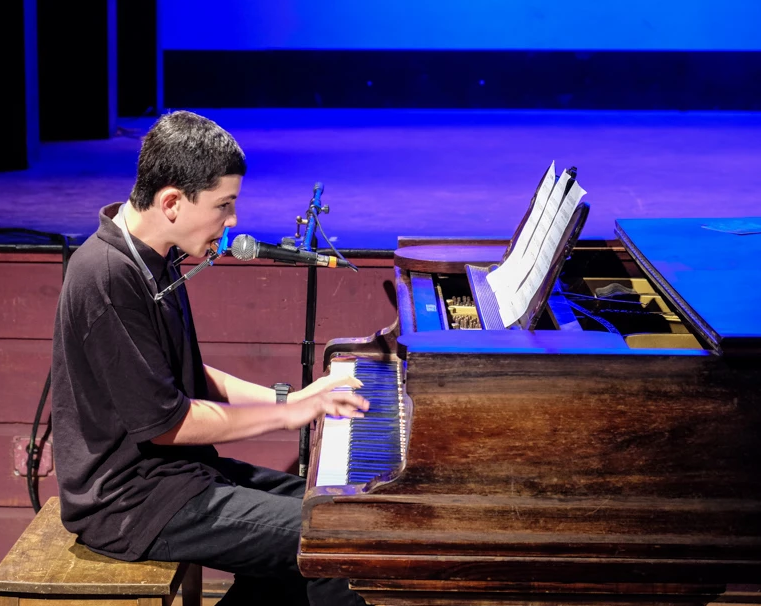
“Here is my recollection of how the most recent song “To Be A Man” came to be.”
Scene Description: Louis’ basement. Louis is sitting at his upright piano harping on random ideas while Justin is sitting on a black couch next to him typing on his laptop. Both Justin and Louis knew (and slightly resented the fact that) they had less than a week to a write one more song for their show.
Justin (confident but also curious) stops typing on his laptop: Ok. Louis, what do you think of this: “So many people ask me to fill them up but my cup is low on its supply.”
Louis (still feeling unsure and slightly afraid of not being able to write a song but likes the idea): yeah, that’s cool.
Louis continues playing with some ideas and Justin continues typing away.
Louis (switching over to his spinning chair): Justin, this song needs to be about toxic masculinity and, in some ways, our own personal connection to “manhood.”
Louis and Justin continue discussing the concept, then Louis goes back to the piano and continues to play some more. A few minutes later, Justin shifts his posture and glows up his entire face.
Justin: I got it. Reads the opening lines of the song. Then sends the lyric idea to Louis to view on his piano.
Louis (singing at the piano): “To Be A Maaan.” No that’s not it. “Tooooo Be A Man.” (many tries later). “To Beeee A Man.” There it is! Ahhh!!! Louis then furiously writes down the tune.
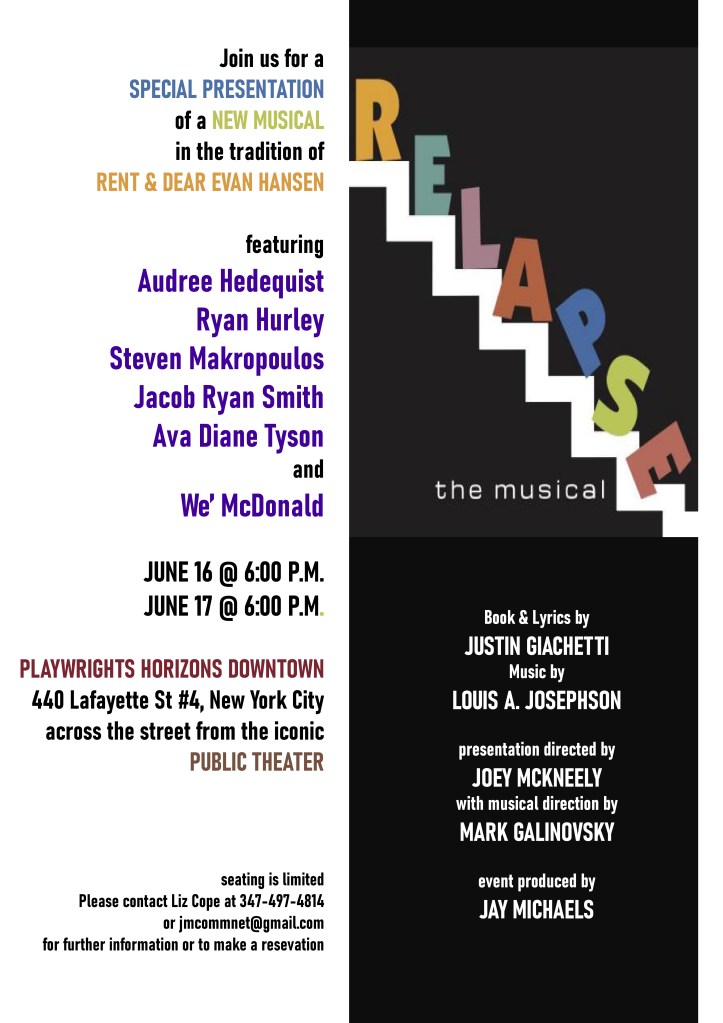
That was the moment I knew we had our tune. From there, we continued exploring this tune and the tone it provided for the song. The lyric was abstract to me at first and of course I couldn’t imagine what the final product would sound like (which is always incredibly daunting), but once I began to absorb the words, and find the tune that served the song most, I knew what the song would sound like.
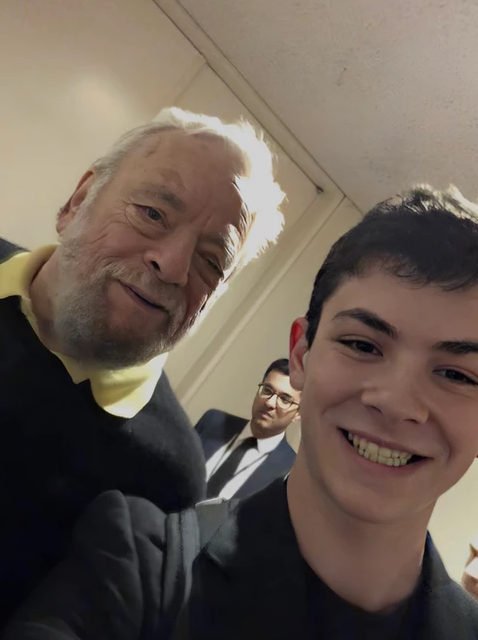
Some artists feel an added sense of responsibility when presenting a work with serious subject matter. Mr. Josephson’s responsibility is driven by passion. “Being passionate about the topic encourages me to develop it at levels I may not otherwise achieve”.
It’s no surprise that this gifted composer has a full plate of fascinating and distinctive upcoming projects. His work will be music to our ears for a long time to come. “I’m working on a few other projects right now. A musical about how a love affair affects six other people, which is scheduled to be read on August 12/13; A musical about a family escaping from a Nazi occupied ghetto in modern-day Belarus as inspired by a true survivor, as explained by his son, the producer; a piece for orchestra that explores the concept of using metaphors and language to define uncomfortable and (what seems at the time) undefinable emotional and physical sensations; and a song cycle for soprano and piano with text by John Frederick Freeman.”

Rollin Tells All
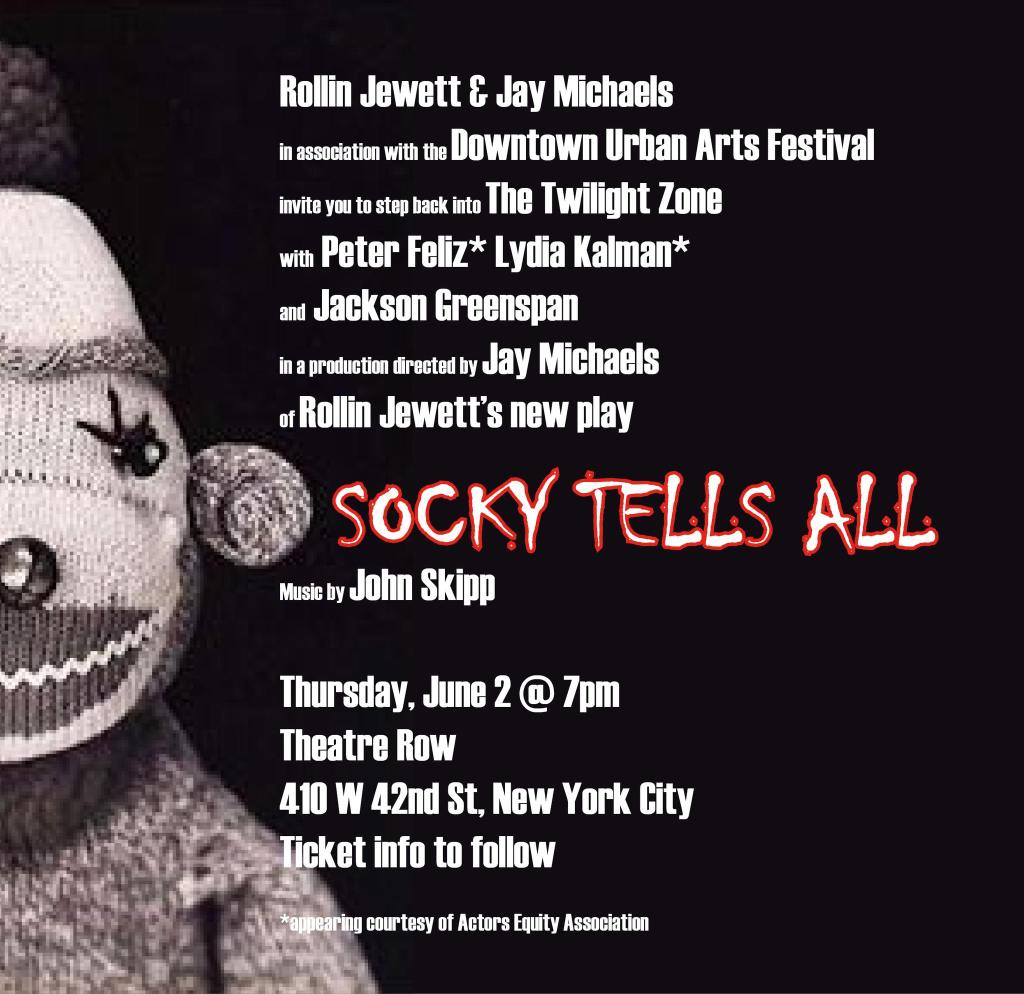
ROLLIN JEWETT – SOCKY TELLS ALL – Interview by Jen Bush
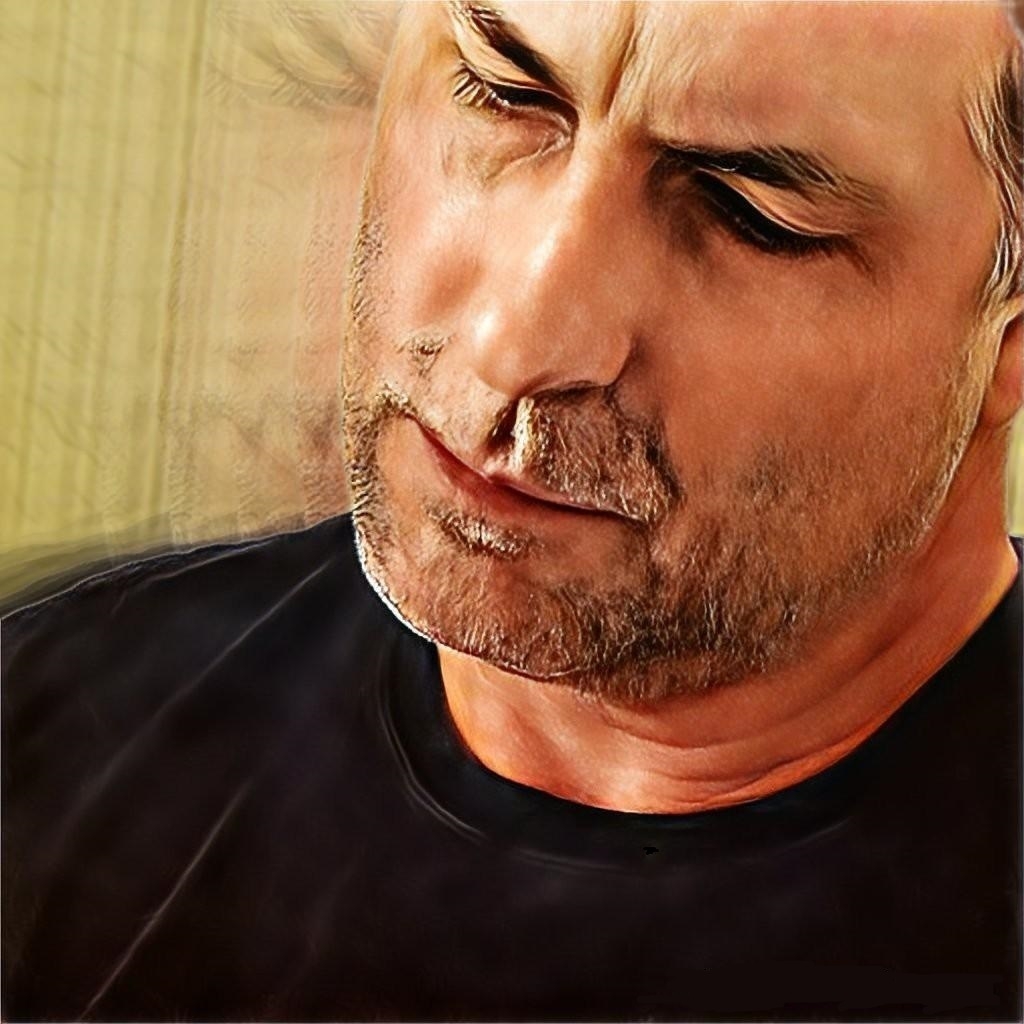
Rollin Jewett has been a lifelong purveyor of the arts. Some people dip their toe into various endeavors. Mr. Jewett completely submerged himself in a vast ocean of creativity. In front of audiences and behind the scenes, Mr. Jewett has all the bases covered. Not many people can say that Batman starred in their movie but he can. His brand new work Socky Tells All will be premiering in June. In his own words, we find out about his fascinating, diverse and award-winning career. “I’ve been involved in the arts my entire life and have attempted (with varying degrees of success) acting, screenwriting, playwriting, short stories, poetry, and singer-songwriter. As an actor, I played lead roles in many plays, had roles in films like the The Bodyguard (opposite Whitney Houston and Kevin Costner), Miami Vice, Unsolved Mysteries, hosted many TV shows and filmed dozens of commercials. As a screenwriter, I penned Carmen Electra’s first film, American Vampire (also starring Adam West) as well as the erotic thriller Laws of Deception with C. Thomas Howell, Brian Austin Green and James Russo. As a playwright, my plays are published by Lazy Bee Scripts and have been performed Off-Broadway, nationally and internationally. My short stories and poetry have been published in numerous high profile magazines and books, with a special leaning towards the horror genre. As a singer-songwriter, my music is available on all major music platforms and I have been nominated for/won numerous music awards, including the Hollywood Music in Media Awards, International Singer-Songwriter (ISSA) Awards, Indie Music Awards, Rampage Music Awards, Akademia Music Awards, Clouzine Music Awards, Red Carpet Awards and International Music Software Trade Association (IMSTA) Awards.”
The impetus behind writing this play sprung from a dire systemic mental health crisis currently afflicting our country. “The inspiration behind my latest play, Socky Tells All, is the current state of mental health care in our country. Children and adults are seemingly suffering from various mental health issues now more than ever and it’s time our government shines a light and puts more focus on the psychological welfare of our population, as violence in every form seems to be escalating to an unprecedented degree. More people are suffering from various forms of abuse, domestic and otherwise, as well as PTSD, and I wanted to address the lack of care in mental health facilities, which now seem to be more focused on monetary rewards than actual patient care. Hence, I wrote Socky as a reaction to the lack of care most mental health patients receive today.”
This is theatre so the message will be conveyed with entertainment value. The Twilight Zone has been entertaining audiences while simultaneously chilling them to the core for decades. Certain episodes continue to impact people to this day. This piece pays homage to that show and shows like it. Mr. Jewett explains more about that connection and the plot. “On another note, Socky is also a throwback to a kind of story one might see in an episode of The Twilight Zone or Night Gallery. It has a macabre and sinister sensibility, with its young protagonist a mental health patient engaged in a battle of wits with the hospital director in a war over whether the young man will stay or leave the asylum which he has now come to regard as his home — with an omniscient sock monkey seemingly the arbiter. The unexpected outcome is an homage to those mysterious stories told on television late at night in black and white and narrated by an ominous voice. “ Hopefully the audience will be unnerved enough to give some serious thought to this important subject matter after seeing the show.
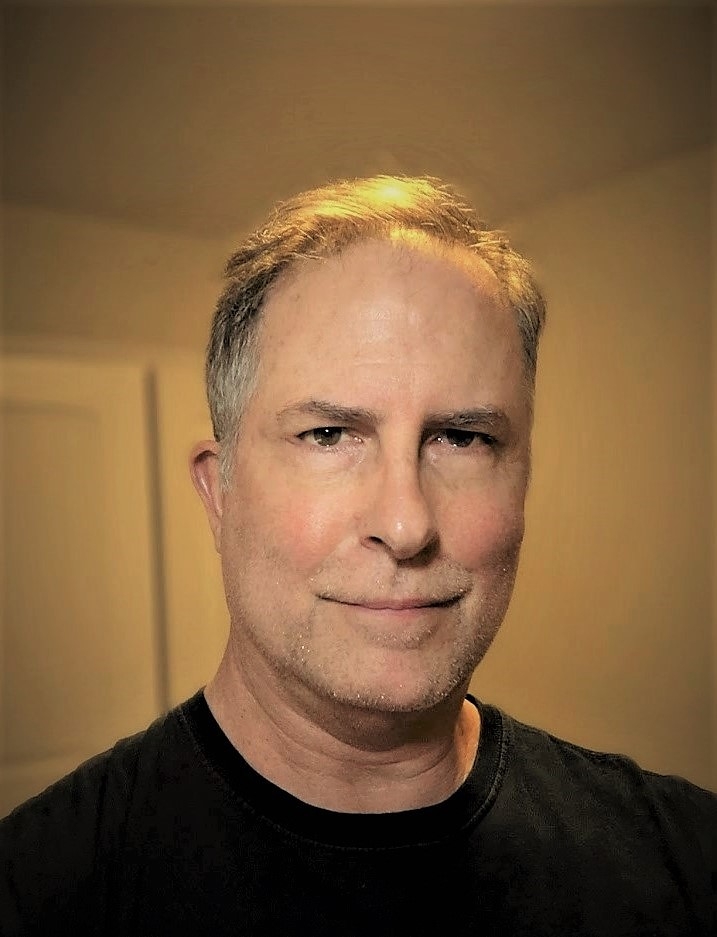
Since Mr. Jewett has such a diversified body of work, his creative process is customized based on the project to achieve the greatest outcome. ‘My creative process varies from project to project and takes whatever form it needs to in order to manifest the story in the form that will best serve the story — whether it be a screenplay, a play, a short story or a poem. It can come from a snippet in a news article, a conversation overheard, a piece of music — anywhere really. And the story usually comes to me complete: beginning, middle and end. Then it’s just a process of sitting down and letting the creative juices flow. I typically write very fast and only do a few drafts before I finish something because I don’t ever start a story until I know almost everything that’s going to happen. Sometimes I surprise myself and the story takes on a life of its own as I write it. Those are usually the best stories because they practically write themselves. They don’t come from me, they simply flow through me, using me as a conduit, and when that happens they typically turn out better than I could have imagined. Stories that tell themselves are the best ones. Socky Tells All was one of those stories I had thought about for several years before I actually sat down and wrote it. And when I finished it, it turned out almost exactly as I had imagined it. I had said everything I wanted to say with it and now it’s up to the audience to watch, listen and draw their own conclusions about what they think the play represents in today’s society.”
There is definitely an added sense of responsibility when undertaking a work with weighty subject matter and Mr. Jewett acknowledges that. “I do feel an added sense of responsibility because you’re putting a point of view onstage and asking the audience to make their own interpretation of the message you’re presenting.” He’s hoping that his play will start conversations that will enact change. “If you’ve done your job well, the story will stay with the audience long after they’ve left the theatre and they will continue the dialogue with friends and colleagues and you will have made an impact and caused people to think deeply about the messages presented. I think the best a playwright can hope for is that their story will be remembered and discussed after the play is over. Sometimes, if enough people are influenced, they can become passionate advocates and real change can be affected.”
Living through a global pandemic has been akin to life being like a horror movie. The negative impact has been far reaching. “The pandemic has had a noticeable impact on all areas of modern life. People realize now that they are vulnerable in ways never before imagined and there’s palpable fear in that knowledge. There’s more caution in people’s lives now and we tend to walk on eggshells, waiting for what might be next: an asteroid? a war? look at Ukraine. The unexpected quality of the last few years has become a constant source of unnerving apprehension and we’re all feeling it. We’re all hoping to somehow feel “normal” again, waiting for our prior sense of “normalcy” to return, but it feels like those days are over. Apprehension is the new normal. Perhaps that’s why horror has become so popular. Horror feels normal now and it makes us feel like as bad as it is, hopefully it won’t be as bad as the zombie apocalypse or something like that. But who knows? It seems as though anything’s possible now.”
Mr. Jewett will continue to successfully construct new and wonderful works for the foreseeable future. He already has vampires and sock puppets in his bag of tricks. It will be thrilling to see where his creative compass will take him next. “I have a few film scripts circulating and hope that one might get the green light one of these days. I’m also writing and recording new songs and have a backlog of music to last several years. And I will continue to write stories and plays for publication and production. Hopefully, I will just continue to grow creatively and as a human being contemplating the strange new world we’re living in. I personally see no end in sight to my creative odyssey.”
David Willinger wants ART to INTIMIDATE LIFE!
David Willinger. Interviewed by Jen Bush
David Willinger is a seasoned actor, writer, director, and college professor of theater. In other words, theater is his superpower. He is the writer and director of a very exciting new piece of work called Existence. It’s a hybrid production combining the elements of live theater and audio-visual components. The arts are a way of life for Mr. Willinger. “For as long as I can remember, I have always been compelled to put on shows. You might say I “live” in art. Theatre for me has always been an intensely visual experience, on a par with painting, the art-form I love the most, but which I abandoned practice of a long time ago’. In his eyes, Mr. Willinger would like to see American theater mirror life less and take bolder excursions toward the figurative, the abstract and the whimsical. “I would wish for the theatre in America to be less literal than it tends to be – more to the second degree of presenting subjective states and conditions that go beyond words; less striving to objectively “photograph” daily life. I had an actor’s training in the Method, but have more of a tropism to the abstract theatre of my heroes – Joe Chaikin, Tadeusz Kantor, Meredith Monk, Vsevelod Meyerhold”. Inserting audio-visual pieces into live theater has been an exciting endeavor for Mr. Willinger. “Lately, and even moreso with this show, I’ve enjoyed including filmed segments and having them interact with the live action. Forced explorations of Zoom as a performing medium during Covid sharpened my sense of how to use film within live theatre. I think that the potentials in this area are far from exhausted. I want to bring a Fellini flavor into the live theatre.”
Existence is not about one aspect of life such as a celebration or a crisis, it’s about ALL aspects of life.
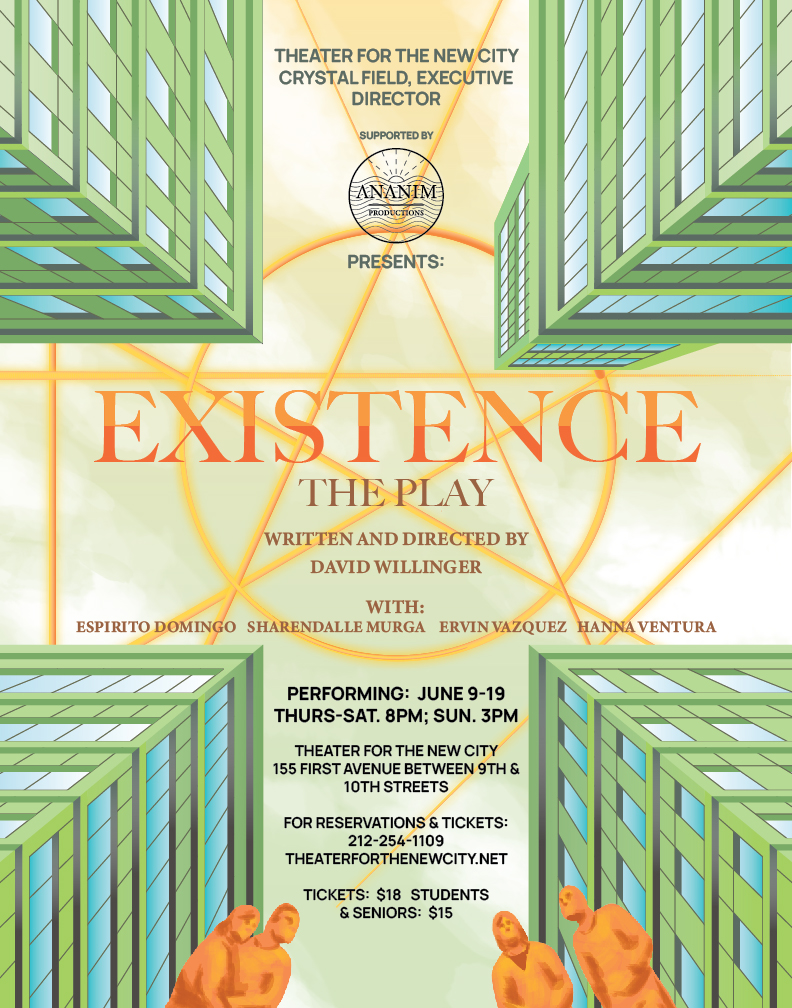
“The play is called EXISTENCE, and I wanted to rush headlong into encompassing as many parts of life as could be crammed into an evening of the theatre, from the most mundane to the most sublime. But really, I wanted to find a way to theatricalize a group of people trying to “break on through to the ‘other side,’ “to discover even in their immediate surroundings, actual openings onto a world beyond the one we know through the senses and reason. How can you put that on stage? The classical Greek, Medieval and Elizabethan playwrights just went for it, using the dramatic vocabulary of their times. I felt strongly that we can too and so created an armature to enable it, in this case the essay contest – who can best express the nature of existence? Instead of writing their essays these ne’er-do-well philosophy students go out and seek out apertures to the beyond, right in the dead-ends, parks and vacant lots of New York City.” The inspiration behind the play took place during leisurely strolls around the city and stopping to smell the roses. “I guess it came to me throughout the Covid period where I’d stroll and find spots I’d never discovered or noticed in Central Park, High Bridge Park, the Greenwood Cemetery, even though I’ve lived so close to them most of my life right here!”
Mr. Willinger’s creative process begins with tapping into the brilliant works of art and literature that exist in the world that are in alignment with his story ideas. “I started by immersing myself in a literature which suggests and enters into the infinite, chiefly the short stories and novels of the Argentinian masters, Jorge Luis Borges and Julio Cortázar. I did the same in the visual arts, confronting the amazing recent Surrealism show at the Metropolitan Museum.” A singular idea opened the floodgates for the plot to be fleshed out. “Once I’d come up with the idea of the essay contest, the content just flowed. Defining the characters and their relationships came later.” Finding quirky and interesting locations around New York City proved to be beneficial for the video aspect of the play. “I got a lot of inspiration by finding these numinous openings around the city and filming them as backgrounds for the show. A given spot would suggest a plot development. Weird and interesting structures – outdoor community free stores, tiny gardens, shrines – have popped up during the Covid period, and it doesn’t take much to imagine them just a bit weirder than they are. But in a way, this play is a summing up of all my child-like yearnings to actualize places in the universe that are inaccessible – the way I used to imagine angels dancing in the dust particles floating in the air in my smog-filled New York City bedroom.”
Undertaking a piece that contains serious or topically charged subject matter often comes with an added sense of responsibility. It’s a delicate job to maintain the integrity and message of the piece while retaining entertainment value for the audience. “There is always this balance to be struck between over-burdening the audience with seriousness when they might just want a fun evening out on the town and the need to “say something” important. Finally, I have to say to myself: As an artist I’ve got something to express, and the form determines itself. People will react how they will, coming from their own yearnings and experiences. I can only hope that they will have a tolerance for something different and find a way to extract something meaningful from it. And after that – I really do try to make it entertaining, fun, and welcoming. I’m not against escapism, but I personally tend to escape into a warped version of the Real. And the Real these days tends not to be all that light.”
The pandemic has altered every aspect of life and theater was no exception. Now that live performances have returned, Mr. Willinger would like to see them turn a daring corner and have artists create works that are outside of the box. He is happy to spearhead this endeavor where the results are sure to be innovative and exhilarating. “We had all said to ourselves and out loud: The theatre after the pandemic must be different. I think people meant – it should be more sincere, be concerned with more crucial aspects of life, take into account the epiphanies people had about values that really mattered when they were holed up in their Covid cubby-holes. I thought the new theatre that emerged should be freer and less a slave to popular tastes and trends, ready to take some real artistic risks again. Well, by and large has it turned out that way? So I said to myself, no matter what anyone else is doing, I’ll head in that direction. And so I have.”
Once the run of this play is completed, this talented professional will grace the world with more artistic gems. “What’s next is another musical, another movie but on what topics I have no idea yet. I have to get through EXISTENCE first.”
Have Faith in Kate Gill
Article by Jen Bush

If you find yourself at The Studio Theater on Theatre Row in Manhattan at the end of May, you will be treated to not one but two works by the talented writer, Kate Gill. This seasoned theater veteran is grateful to the wonderful teachers and artists she has worked with through the years. “I have been writing and producing plays for 25+ years. I have had the privilege of studying with some amazing teachers including Chiori Miyagawa, Glyn O’Malley, Forrest Stone and Tina Howe. Plus I have worked with brilliant directors including Ludovica Villar-Hauser, Toby Armour, Siobhan Dunne, Alexander Kulcsar, Frank Licato and Grechen Cryer.”
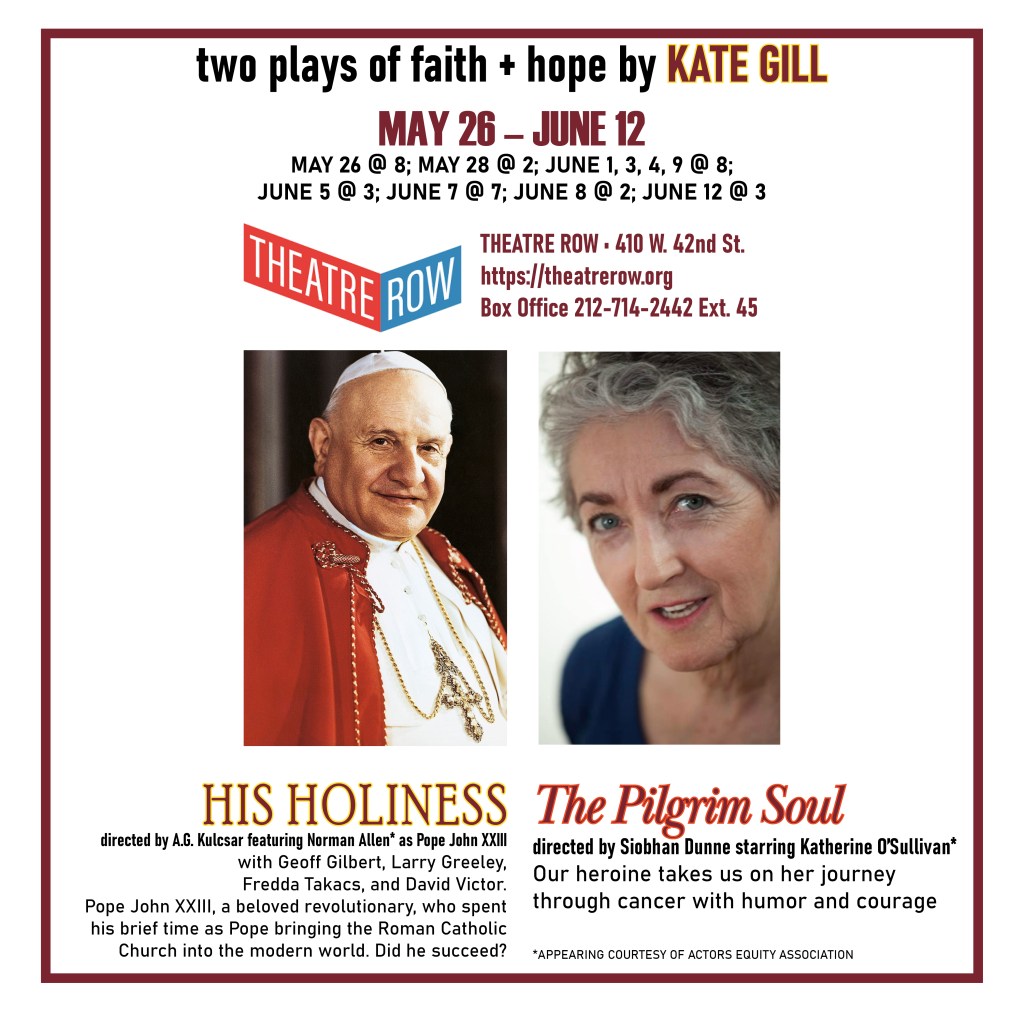
Since Pope John XXIII incorporated some of Teilhard de Chardin’s philosophies into molding the Catholic Church, it made sense for Ms. Gill to use one of her earlier works about this theologian as a springboard for writing this play. “I developed His Holiness from an earlier play I wrote about the theologian Teilhard de Chardin. I belonged to a Teilhard discussion group led by Jean Maalouf, one of the world’s leading Teilhard experts. Pope John XXIII took many of Teilhard’s insights and acted on them as he worked to bring the Catholic Church into the modern world.”
The Pilgrim Soul is an extension of a previously written monologue sadly inspired by personal loss. “The Pilgrim Soul began as a 15-minute monologue at the Poor Mouth Theater in the Bronx. I had been through a painful year where I lost three close friends to cancer. Near the end of their struggles, two had received from their doctors a half gallon jar of opioids with no explanation.”
The creative process of an artist is a very personal and individualized thing. Ms. Gill’s work as a communications strategist has served her well in her artistic endeavors. Tiny seeds of inspiration found in unlikely places can also turn into fully realized theatrical productions. “I have worked for many years as a communications strategist at a New York City ad agency. After thousands of interviews over thousands of hours, it’s still fascinating to me to uncover how people feel (often they cannot say) and insights about how they can be motivated. All of this work feeds and informs my plays.” But the core inspiration for my writing is usually one small thing that inexplicably stops me and makes me see something in a new light – a newspaper item, a personal story, a scientific fact, or an odd comment – and I begin to imagine a story…”
Ms. Gill likes presenting works off-off Broadway. Mounting a production in the off-off Broadway arena affords artists a myriad of freedoms and gives audiences a chance to see new works that might have never seen the light of day in more commercial venues. “Off-off Broadway is accessible to theater artists to develop and present their work. It is outside the “ system” of commercial and non-profit theaters – free of most the restraints of the mainstream. Plus it gives audiences the chance to see new exciting work that could not be found in mainstream theater.”
The in-person interactions that are so crucial to human beings were taken from us during the pandemic. Ms. Gill is hoping things continue to change for the better interpersonally. “I hope that the pandemic has made people better appreciate their live, connected experiences. What was taken for granted in live theater pre-pandemic has now created an increased desire for shared, live experiences.”
Next on Ms. Gill’s plate she will be sharing her experience in a wonderful collaborative manner with other artists culminating in a fabulous event. “I have started a playwrights’ group at the new Legacy Theater in Stony Creek, CT. We will have a Reading Festival on July 24th.”
Ambra Ferraris: “Art is a language … beautiful, harsh”
Article by Jen Bush

For Ambra Ferraris, her art is all about communication. She feels that there is a message to relay through all forms of artistic interpretation. “I see art as a language, it might sound complicated to people who don’t understand it, sometimes it sounds beautiful, sometimes it sounds harsh, but the point of any language is to communicate something. As an artist, I am a communicator.” Ideally the audience will be able to see the performance through the eyes of Ms. Ferraris. “The ultimate goal is to make you see what I can see, make you feel what I feel. Whether I dance, sing, or act, I am always communicating something. I feel like I am a successful artist when I reach people to their souls when they truly understand the message I am conveying through my art.”

Ms. Ferraris’ goals aligned with the kinds of opportunities that were available in America. She wanted to be among likeminded people with similar aspirations. “The U.S. might not be the land of opportunities as it was in the beginning, but it still draws people with the kind of mindset that is necessary to succeed. People that are hardworking, resilient, strong-willed, and still capable of believing in dreams. Sometimes I feel like people in Europe have lost the ability to dream. They label dreamers as losers, just because they have a vision they cannot understand. I came to the US because I wanted something more, I needed an environment that could inspire me, and stimulate me, and I found it.”
Ms. Ferraris was in the profession of Law and Order and now you might see her pop up on an episode of Law and Order. She stopped taking depositions and started going on auditions when she switched careers from law to the performing arts. The people in her life were surprised to say the least. The creative arts were her true passion and she never looked back. “I actually think I was crazy when I enrolled in law school being such a creative, soulful, enthusiastic person. That was me going against the grain to follow the rules of society. A society where I never fit. I pretended to fit, and I succeeded at it, but my inner artist was suffering. I shushed it for too long, it was like wearing a mask and not being able to be my true self. It was thanks to a book, The Artist’s Way, that I finally freed myselfand found the courage to follow my vocation.”
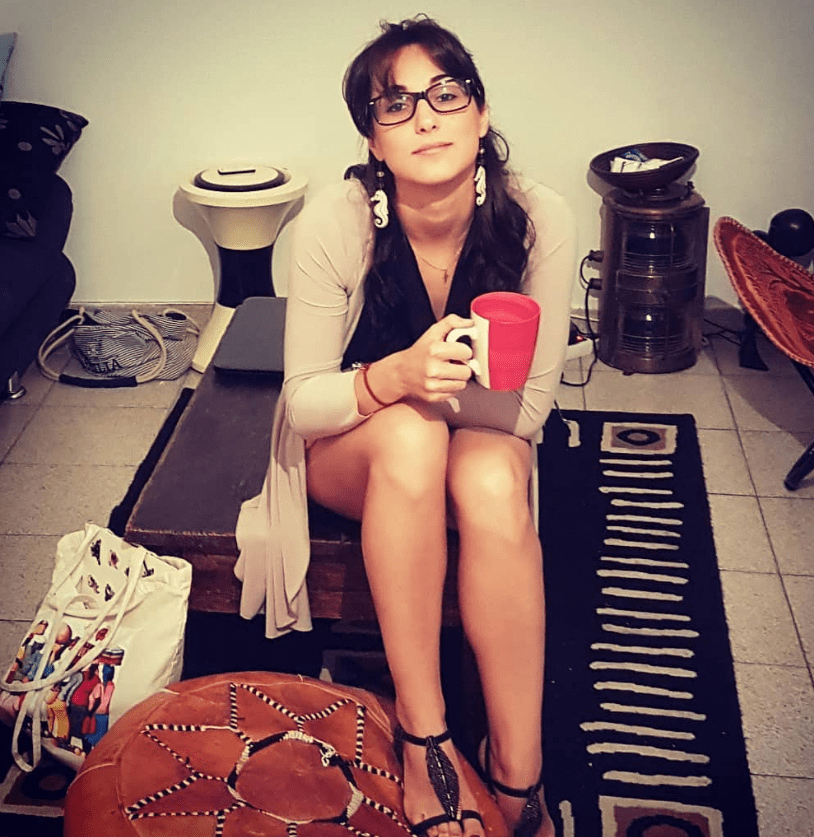
Ms. Ferraris recognizes that there are multiple opportunities available in the performing arts. Acting is just the tip of the iceberg, and she is going to dip her toe in the big pond of creativity including writing. “I am a storyteller. I’ve always loved fairy tales and myths since I was a child. When I was 6 years old my biggest dream was to become a writer. Then at 13, I discovered theater and I fell in love with acting.” The lockdown altered the trajectory of her studies, but she landed in a good spot. “When I came to L.A. my plan was to study acting but, after the first lockdown, with UCLA going fully online, I decided to change the subject (acting online lacks human interaction), I started taking classes in screenwriting, cinematography, producing and directing. I ended up graduating in Entertainment Studies and I found out I had quite a talent for putting people together and organizing the work.” Ms. Ferraris found she had natural leadership skills going beck to her tender years. “Looking back, I could see myself being a showrunner for the five years of elementary school without even knowing what that was. I remember there was this tv show I loved, Sailor Moon, and during recess, every day my schoolmates and I were acting all the episodes and I was already casting people in their roles, holding auditions, choosing the content of the episode and acting in it. Of course, back then I called it playing but now I realize I was already made for the Entertainment Industry.”
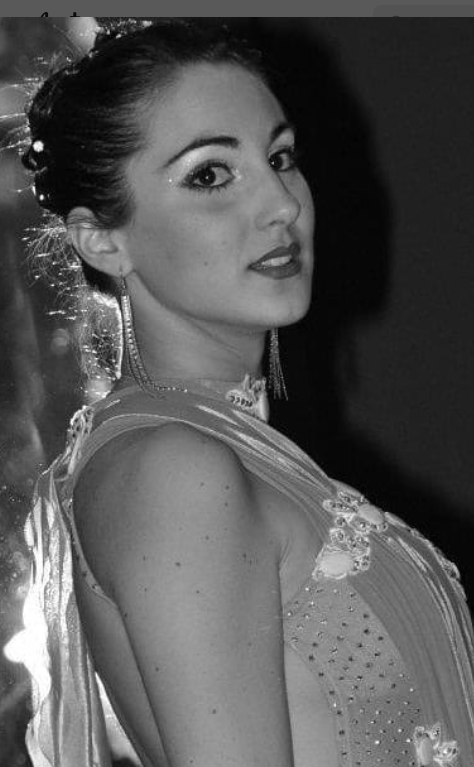
The entertainment industry is lucky to have such a talented and dedicated individual with stories to tell and dreams to be realized.
 Arts Independent