
Home » Articles posted by jaymichaelsae (Page 28)
Author Archives: jaymichaelsae

Dennis Yueh-Yeh Li on the theatre and the theatre of war.
An all Asian cast brings to life TIANANMEN REQUIEM, a deeply moving tale of a young gay couple trying to survive the Tiananmen Square crackdown and how it affects their family – for decades.
This is truly a play that the Chinese government does not want you to see. TIANANMEN REQUIEM has had its share of obstacles already. Dennis Yueh Yeh Li has courageously taken-over the position of stage director after the original director left. The production company also chose to no longer be involved and even actors resigned refusing to cite reasons. Many simply quit without offering a reason. Even a university professor, a mentor to the playwright, refused to be involved – even as dramaturg.
Toney A. Brown & Marc Levine have taken over the role of producers with sponsors Wang Dan (Dialog China) and Rod Lathim joining the team. Dialog China is an organization founded by famed Tiananmen student leader Wang Dan, who was China’s “Most Wanted Man,” was imprisoned twice, and is spending his exile in America as an indefatigable human rights activist. In his endorsement of the play, he wrote on Twitter in Chinese “Seeing those who were not born during the Tiananmen Massacre dedicating themselves to preserving history, makes me incredibly thrilled. Looking at the younger generation, I no longer feel lonely.”
The author of the play, due to danger he and his family might encounter, has decided to stay anonymous.
“[This play] is my only way of dealing with the trauma,” he said.
TIANANMEN REQUIEM
March 10 – 27
The Players Theatre
115 MacDougal St, NYC.
Regular Tickets HERE
25% off promo code

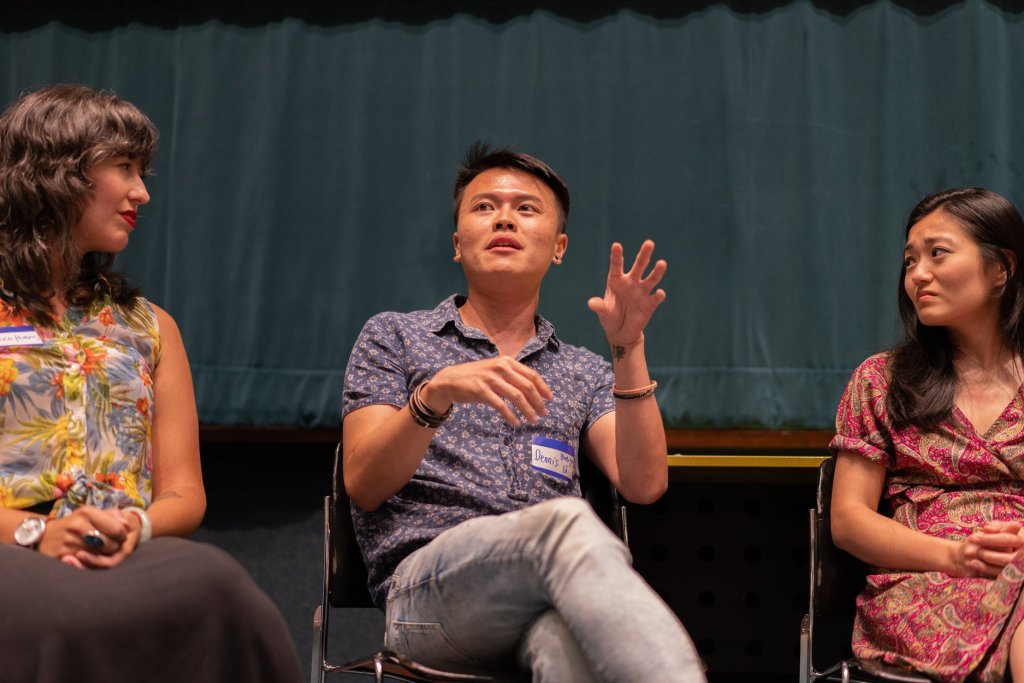
We spoke with director Dennis Yueh-Yeh Li about this experience.
I find theatre extremely fascinating because it is a space that’s so personal and intimate, yet a space that you welcome the audience to be part of it,” says the Taiwanese artist who came here 10 years ago to persue a career in the theatre. “And because of this ephemeral connection with the audience, possibilities are unlimited. That’s why it excites me, and that’s what keeps me going.
We asked Dennis what insipred him to take on such a challenging piece.
I used to work with The Living Theatre, and now I am in a collective called Al Límite, which is founded by many of the former members of the Living Theatre, including myself. Throughout that time, Judith Malina has really taught me what it means to make theatre, and inspired me to find my own path, connecting my passion for theatre to the world we live in. Along that journey, I am definitely no stranger to political theatre. In fact, by doing political theatre, I learned to humble myself, and learned to be compassionate, because that’s what really brings people together. Doing theatre like this then allows me to dream, dream for a better future that eventually I can also benefit from. And to be able to dream is to face the history, especially the history that’s censored. Tiananmen Requiem tells just that—the aspiration to break free, politically and sexually. Being Taiwanese, I know how precious that is. After witnessing what happened to Hong Kong these last few years, it makes me feel more obligated to confront the tyranny. Only to tell these censored stories again and again can people finally get inspired. That’s why those students who sacrificed their lives during the Tiananmen Square Crackdown were there. Freedom is earned. And this is the way I do to help earn that freedom.
What obstacles do you foresee encountering?
That we might enjoy the moment of encouragement because we are doing this play, but the reality is there is a long way to go before what we are dreaming for comes to realize. We will get disappointed and helpless, and we might not overcome it. We might not even live long enough to see change.
Plays seems to be a faster go-to source for historical records. Do you think your play will be looked upon that way in 10/20/50/100 years?
Theatre is fictional. I don’t necessarily think this is a play only about the Tiananmen Square Protests. There’s something in it very timely and timeless. And it will certainly intrigue the curious crowds to dig deeper. That’s what I’m hoping for.
Do you think this should be a Broadway play or an off-Broadway play? Why?
Broadway or off Broadway, they are the same to me. This play goes beyond that. It should be done anywhere possible because that’s the meaning of this play.

What’s next for you and for the play?
Aside from being a director, I am also a playwright. I am writing stories of being an immigrant here in the United States. I want to shed light on how an immigrant navigate in between two cultures. As for the play, I certainly want that more people who have the capacity would want to put it on stage again.
Do you feel a stronger responsibility when working on such historic and pivotal work?
Definitely. That’s what I learned from Judith, and from The Living Theatre.
What’s your creative process like?
We had a discussion about the play, and about the Tiananmen Square Protests. As a director, it’s my job to bring the cast back to that moment to feel what it was like for those students. After that, we worked to create an autonomous world where this story takes place. From there, we begin to figure out and focus on the relationships among these characters and with the time and space.
What makes this different or special?
Many of the cast members are Asian Americans. They didn’t necessarily know what Tiananmen Square Protests is or the significance of it. So we spent quite sometime to relate that incident to the other incidents that are happening around the world, from Hong Kong to Myanmar, from Black Lives Matter to Anti-Asian Hate. It was particularly different and special for me, different because this is the first time that I work with a group that don’t share political knowledge with, and special because I feel more obligated and honored to share that knowledge to enlighten.
What are your ultimate goals for this production and for the future?
Take this play to Asia.

A Rae of Sunshine: Laurie Rae Waugh returns to the ATA
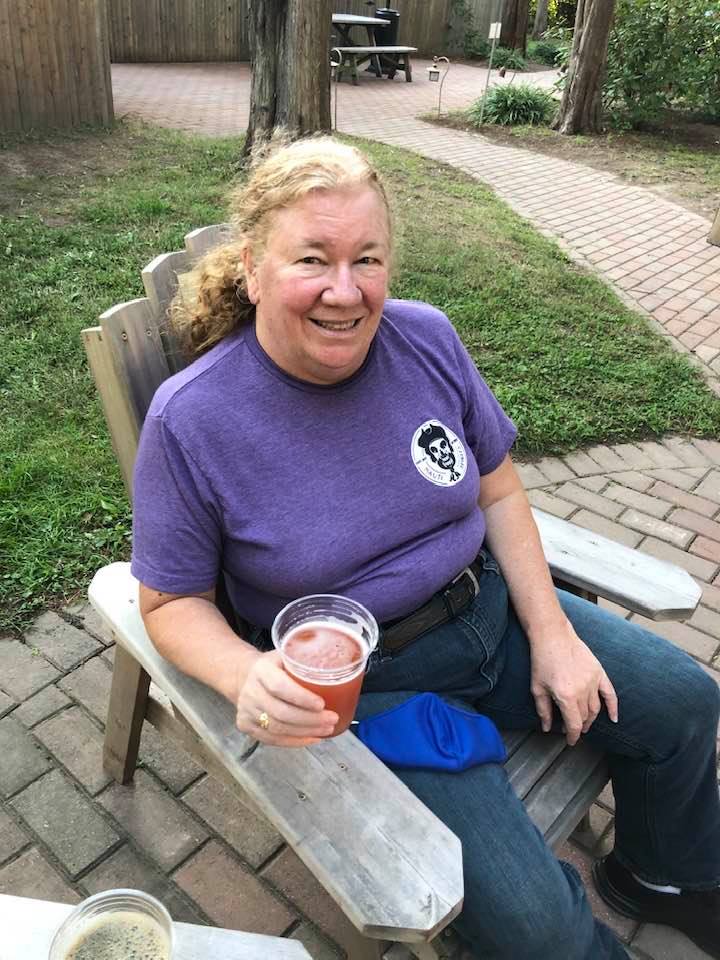
“These past 2 years have been interesting. I watched a couple of plays on zoom and realized that I did not want to direct in that form, so I decided to wait until things improved,” says Laurie Rae Waugh, one of the leading directors of the landmark American Theatre of Actors, “I am a people person and I prefer to work in person,” She concluded with a definitive aire. This did not stop her from being an actor – in October of 2021 – in an event celebrating the life of playwright James Crafford who passed in October of 2020. James Crafford Times 10 compiled ten of the profound playwright’s one-acts as a tribute to him. Shortly after that she received a play from producer James Jennings. “He had me read the play DADDY’S GIRLS which was written by Ms. Norma Mortimer. I enjoyed the script very much but realized that the play was only an hour long. I reached out to Mr. Jennings to see if there was another one-act that I could pair it with that had a similar setting. Mr. Jennings put me in contact with Ms. Mortimer who sent me another one-act and we now have an evening of one act plays by Norma Mortimer.”
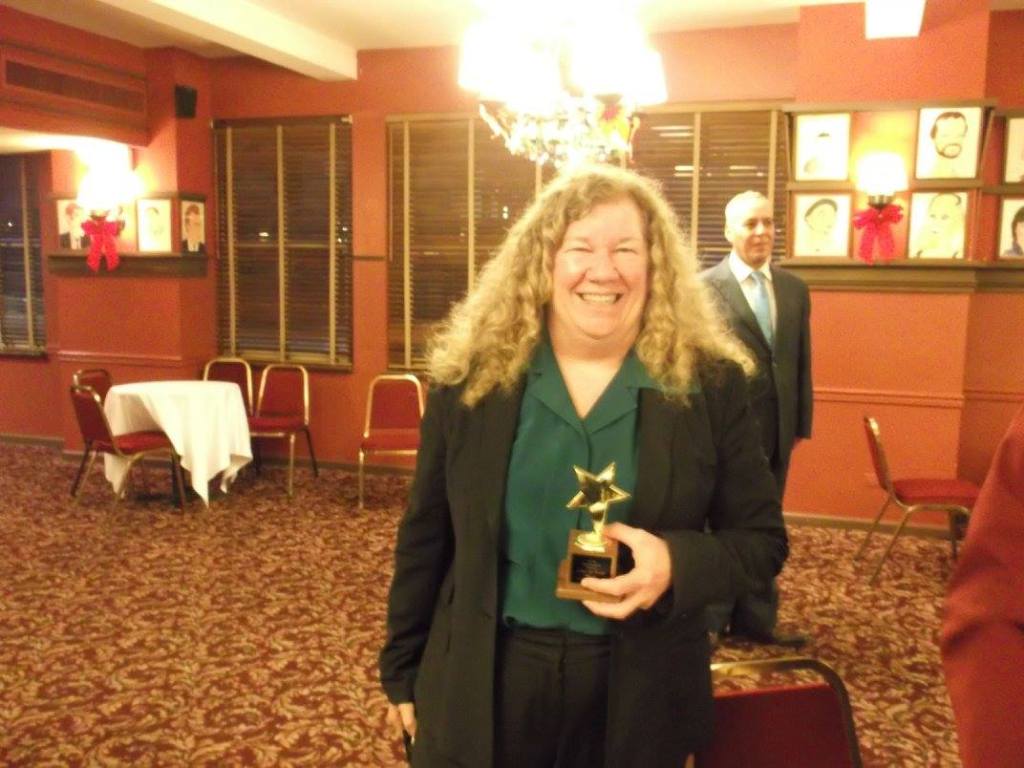
These two family dramas or drama within the family, open March 2 at the ATA putting Waugh, an expert at initimate relationship plays back in the directors chair. We grabbed a few minutes with her before she started a rehearsal:
What obstacles are you expecting to face now?
First, finding actors who were willing to get back into the theater while following COVID protocols. Most importantly I wanted to keep everyone in the cast safe. Since both casts have 4 actors, I have been rehearsing them separately until we run the shows together to get a sense of just how long the evening will run. I also had to make sure that everyone was vaccinated to be a part of this production.
How are you different from pre-pandemic in terms of your theatrical style or passion or creative process?
I don’t think I am different at all. I still go in with the same passion as I would any play I am directing. The only difference here is that I am working with a new playwright. I am looking forward to hearing her thoughts after she sees the play for the first time,
Do you think this should be a Broadway play or an off-Broadway play? Why?
Yes. Each play has its own rhythm, flair, and drama. We are only doing part of the play RUN THE COURSE as the play was also written as a full length. The longer version of RUN THE COURSE has the making in itself as an off-Broadway play.
The first one act play RUN THE COURSE is a drama filled with several twists and turns along the way. What I like about the play is that I didn’t see them coming and neither will an audience. The second one act play, DADDY’S GIRLS, is also a drama with some funny and touching moments throughout. If you’re paying attention, you will see early where this one is going. If not, then enjoy the ride.
What’s next?
I am not sure. I have 3 full length plays that have been approved for production however the cast sizes range from 8 to 12 actors, with one play having all the actors on the stage at once. I am waiting to see where COVID will be later this year and whether we will get back to some kind of normal. The 3 plays are written by two members of the same family. The late Irving A. Greenfield with WHAT DO WE DO ABOUT WALTER? And MY MOTHER’S BOOKIE and his son Nathan Greenfield with Poznan, Poland: 23 May 1943.

“Shalom” Means Hello, Peace, Wholeness… and Lisa

As an artform, Spoken Word is a catch-all term that includes standup comedy and monologues, but most often refers to poetry recited out loud. Unlike the written word, the execution of the piece aloud before an audience is a crucial aspect of the spoken word form. Voicing and being seen in one’s truth, rather than simply hiding behind written text is what makes spoken word at once a vulnerable, naked- and medicinal craft.
The word medicine has its roots in “to take appropriate measures.” During times of uncertainty, a global pandemic, isolation, economic instability and environmental crisis, cultivating an immunity and a healthy response to the stress, worry and fear that inevitably come creeping in is crucial. The impacts of sustained stress are visible, rampant and growing in our rapid- paced context. Poet and humanitarian, Lisa Shalom uses the spoken word artform to slow down and generate health and wellbeing- for herself, through her own work and performances. She also shares her tools with participants in the program she founded called, “Spoken Wordicine; Your Words are a Powerful Medicine.”

Taking the time to dive in and really examine what we might be carrying and turning our stories into art expressed in a safe container is a process that allows Shalom to perform heart surgery – not with a scalpel – but through truth-telling with compassion. Her work bridges the heart with the mind to create a deeper understanding of the internal landscape and it also connects one human to another. “When people are really in touch with themselves, they are less likely to harm themselves, others or the planet, and they are more inspired to breathe life into their bodies and surroundings.” Shalom visits educational organizations, corporate offices, conferences and seminars, offering Spoken Wordicine to diverse demographics, all similar at the core.
Using her “procedure,” Lisa Shalom creates avenues of safe vulnerability for those who could use a tune up on the insides, which actually turns out to be- everyone. She deftly creates an intentional platform where folks can air thoughts and buried secrets, creating personal catharsis while inspiring others with their words. Over her years of teaching, Shalom has collected stories of those whose worlds have been changed through her powerful technique.
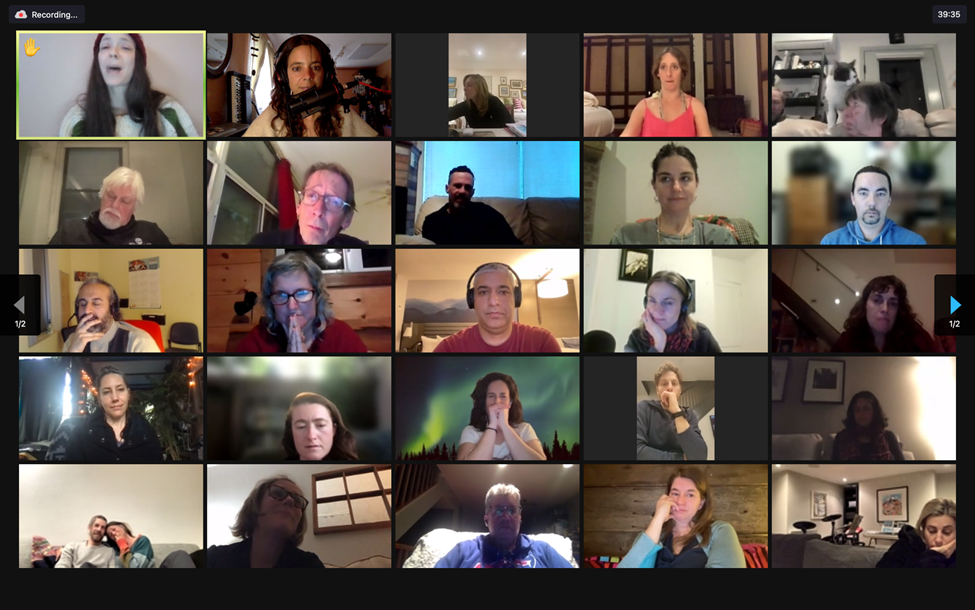
She shares the story of a girl who had gone voluntarily mute due to severe alcoholism at home. By the time the girl encountered Lisa in a Spoken Wordicine workshop, she had been silent for weeks. “I was instructed never to address this girl directly so as not to put her on the spot,” she says, recounting the experience. While the girl still did not speak, it was obvious to Lisa that she was observing- and absorbing- everything going on in the workshop. During the sixth session, her fellow participants shared their pieces on various subjects that tend to arise in this work. They rapped about everything from saying final goodbyes to their grandparents, addiction, immigration, and facing bullying and harassment for being somehow “other than”. As is the case during most performance shares near the end of the workshop, the room filled with tears, laughter and a deeper understanding of each other. Lisa discreetly asked the young girl who had been silently watching the proceedings if she would like to take the chance to get up and say something. “She got up and artfully roared her truth like I have not seen a student in a classroom or a seasoned professional at a nightclub do- before or since. I get chills whenever I think about her. The air changed to the degree that she was willing to let the rawness of her truth lay itself bare, and so did her relationship to her sense of her own power.”
The young girl, no longer mute, continues to write and she sends Shalom her poetry until today.
“One boy had Crohn’s Disease and he presented a piece on how badly it hurt him to be made fun of for the odors he sometimes produced,” Lisa added about another student. “He disclosed that he had a colostomy bag, (a plastic bag that collects fecal matter outside his body,) that nobody knew was there. His poetry was a glimpse into his late-night hospital visits, physical pain and his desire to be like everyone else.” The students who made fun of him became his biggest supporters overnight. All it took was sharing his story. “The courageous authenticity, or “vulnerabravery” we must summon in order to share our stories is the real work of this process. It can be terrifying to lean in, but relief, freedom and magic lie just on the other side of the comfort zone.”

Shalom shared the story of a young girl with a hearing disorder who revealed that she smiled and nodded so often not because she was stupid, but because she couldn’t hear what was being said. Another young girl shared how her family’s home and car had been spray-painted with religious slurs. Another girl spoke of how she felt too white to fit in with the black kids and too black to fit in with the white kids. One boy used his poetry to come out as gay. When Shalom works with adults, it often results in very similar shares, only with stories that may have been buried for longer. “When we don’t own our stories, they can end up owning us,” says Shalom.
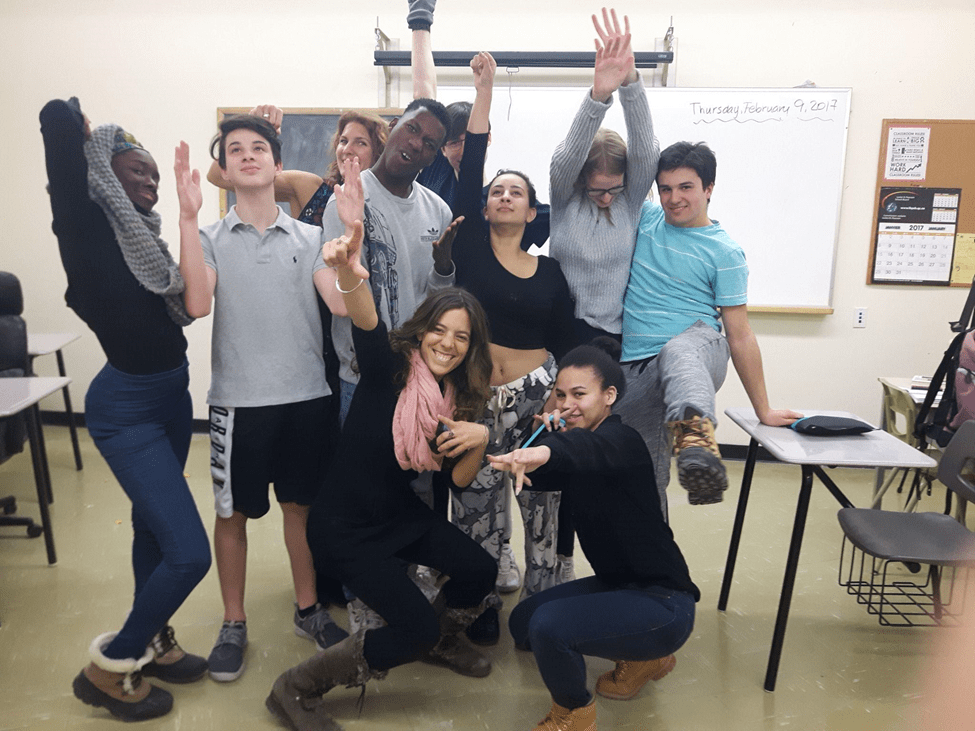
“Many participants speak on being targeted for their race, sexual orientation, weight, body type, skin tone, religion, heritage, or mother tongue. They unmask health issues, loneliness or whatever is really going on beneath the surface. On occasion, intimation of suicide or abuse come up, and the teachers and I take measures to provide support and counseling resources and we also take the time to offer love, attention and human connection to the kids,” says Lisa.
Spoken Wordicine is a method of personal or individual healing within community using art as the medium. Its potential for generating health is as great as its potential for preventing crises.
There is a perennial paradox one finds in teens in particular. Today’s teens carry a sizable amount of burden for their tender years, yet they are lacking sufficient life experience to address the slings and arrows they face. Educational systems at once demand teens to comply like adults in terms of dates and procedures, but do not often supply the knowledge or proper breathing room to first get a handle on their life situations. Lisa’s message is clear: “If poetry can become an outlet for naming the situation and letting off steam before drugs, alcohol, sex or video games become the go-to addiction, I consider my work productive preventative medicine!”
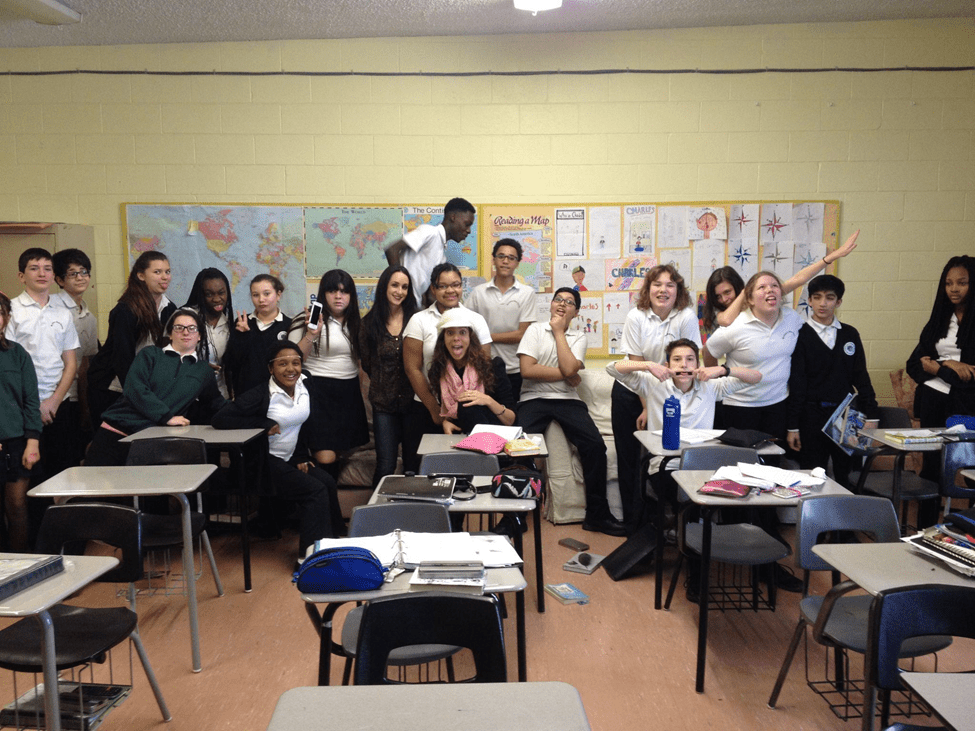
Lisa enjoys receiving poetry from former students who kept writing after their time with her has ended. “I love hearing from teachers who are incredulous that the “outcasts” or kids on the fringes who trust the process end up earning respect, developing confidence, and finding their place in the community. Maya Angelou says that there is no agony greater than the burden of an untold story. We use Spoken Wordicine as a means to lighten the load and claim our power.”
While each workshop is designed to be a safe space for all, Lisa offers a precaution. “When I teach Spoken Wordicine in high schools, I ask the kids to check-in with themselves before bringing their most vulnerable stories to the table. School can be a brutal environment and while they may wish to write poetry pieces about their deepest trauma to help them to process it, I ask them only to share aloud what they feel they could withstand having thrown back at them as a worst-case scenario.” Despite the word of warning, she finds that, “teens are thirsty for a platform to vent their innermost. Since I do encourage them to take a step out of their comfort zone, they often choose to bring their most profound challenges to the table despite the potential risk involved given the setting. And when they do, it’s because they are ready for mountains to move.”
Lisa maintains that the oral tradition is the original Wordicine. Storytelling around a campfire is one of the foundations of how we generate connection and empathy. It is the sharing of stories that builds personal confidence, appreciation and acceptance, of others and ourselves. “It should come as no surprise that walking a mile in someone’s shoes often amounts to loving them. So, it’s a natural byproduct of the Spoken Wordicine process that group dynamics should improve and that bonding and healing should occur,” she says definitively.
In watching Lisa Shalom perform live or online, we come to see how Lisa’s students are inspired to share of themselves. It’s clear that Shalom is able to provide the material she teaches as a result of a personal investment in her own Spoken Wordicine process.
Find out more about Lisa Shalom and her Spoken Wordicine Methodology and check out her work on www.shalomtoyou.com. Reach Lisa for bookings on shalom.home@yahoo.ca or on her socials: FB- www.facebook.com/lisababashalom or IG- @shalomlisa

Blockbuster Guy is a VCR (valiant creative revival)

“ I am an actor and writer born in Miami, but everyone thinks I’m from Brooklyn,” says the hirsute and jubilant Mark Levy. Packing a smile and 1000 watt energy, he continued to say “I am a unique character actor so I tend to write for myself and love doing it.” There is a master plan to this as he offered his freeing philosophy, “getting to decide what you want to do is so freeing as an artist.”
Mark is enjoying doing his solo-show, BLOCKBUSTER GUY, maybe because he is … a Blockbuster guy.
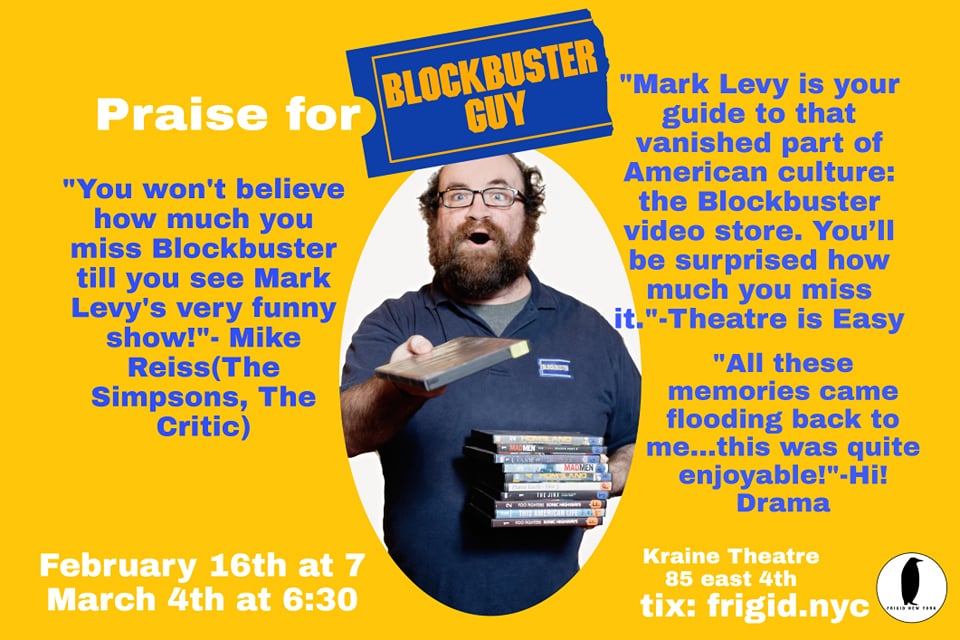
HUB Theatricals revives his award-winning one-man show, directed by Kristen Keim, as part of the Frigid Festival, February 16 @ 7:00 pm and March 4 @ 6:30 pm at The Kraine Theatre, 85 East 4th Street, NYC. Tickets: $20 in person/$15 for virtual. Tickets Available: www.frigid.nyc/event/6897:57/
Mark Levy allows us to return to those thrilling days of yesteryear when you had the ritual of going to the video store, hunting down the aisles, finding your cinematic choice and returning to your home to watch it for a limited time. This might seem alien to a generation that can watch a movie on their phones anytime, but some of us miss it.
“All my life, I have been a die-hard movie nerd” says Levy, “I have always wanted to share my stories of my time actually working at Blockbuster Video and my love of movies. Its original run wowed sold-out crowds garnering the Frigid Festival Audience Award in 2020. “I worked there from 2004-2007, arguably the last peak of Blockbuster, also when they could’ve bought Netflix, which would’ve been interesting!”
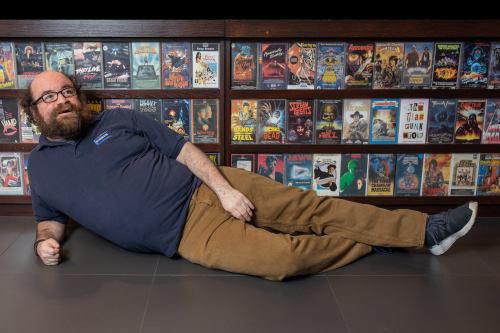
In the past few years, nostalgia for Blockbuster Video has grown and grown. And Levy has always wanted to tell his stories from his time there. Mark Levy grew up an outcast and thus, became a movie nerd. So much so that he worked at Blockbuster Video in college in small town Florida. He – uproariously and heart-breakingly – shares the highs and lows of choosing escapism, DVDs, and what movies can do to someone in this compelling storytelling experience.
“Blockbuster Guy deals with the escapism we all feel when we go to the movies and how movies help us cope with growing up “different”…also this play is hilarious” says director Kristen Keim. Levy and Keim, are up to their 5th collaboration.
Ai caught up with Mark to find out more about his love affair with renting films.
What made you create this production?
I have wanted to do a play about/inspired by my time at Blockbuster since I started writing plays when I got to NYC. Biggest issue always came up: by page 3 it became “Clerks”(Kevin Smith’s iconic film from 1994, you must see it if you haven’t).
I never could figure out how to come at this and make it feel unique, original and my voice. Eventually, it clicked. I knew it had to be a solo show about how movies have helped me be ok with being “the weird kid” and how Blockbuster made me who I am. Once I figured that, I let my frequent collaborators Kristen Keim and Adam Sherwin know (they know me better than most and are amazing Directors and Stage Managers) and we started working it out and I’m quite proud of the current product. (I will never call it a finished product, the show changes every run)
Are there a lot of “Blockbuster guys” out there?
There are! I work at the Alamo Drafthouse in Brooklyn and there are a lot of people with more extensive knowledge than me that worked at Blockbusters and elsewhere. I think what makes me so happy about everything involving this is that there has been so much love and support from fellow people that worked at Blockbuster Video. I somehow have talked to some higher ups in the company and other people at other stores (my coworkers in the store in small town FL, most know about the play and let me use their names).
But the idea of a “Blockbuster Guy” is cool because it means you are the best to that person as you resemble their idealized experience (or worst experience, I try not to think that way though). You are their movie person
What do you miss most about the good old days?
Literally walking around the store and discovering cool movies. It’s the best. Love a good box cover. I still try to do that at best buy buying DVDs but it’s different.
Do you think we are better off without the video rental store and have everything right on our screen?
In theory yes because “everything” is at your finger tips but you can’t find Miami Connection streaming and other hard to find/weird/vintage/unique things streaming.
What’s next for you and for the play?
Trying to get a producer involved so we can move to Off-Broadway or a commercial run. Also would be cool to film it in a husk of a Blockbuster
REVIEW: Gilda Mercado’s Ella y Yo, reviewed by Jen Bush
Ella y Yo
Written by, directed by and starring Gilda Mercado
Review by Jen Bush
Gilda Mercado is a globe trotting Mexican renaissance woman with international acting credentials. In Ella y Yo, her eyes will bore into your soul as she dissects her own soul.
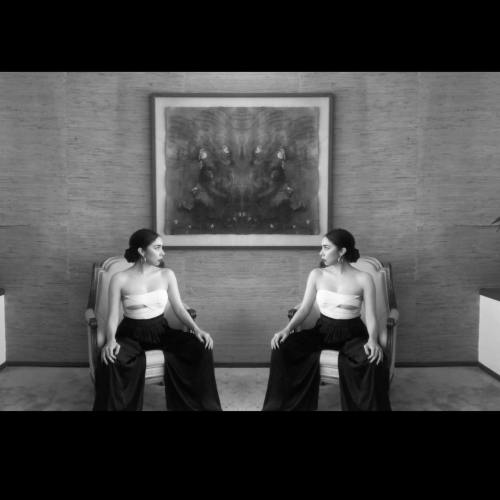
Ella y Yo is a wildly provocative solo piece that is not for the faint of heart or the fragile of emotions. You will be captivated and disturbed. You will want to look away at times. Don’t look away because the message embedded in the piece is vital. In society before a hello can leave our lips, we are judged, scrutinized and pigeonholed in an instant. The main character in Ella y Yo grapples with that and much more through themes of insecurity, vulnerability, self-examination, and ultimately self-acceptance.
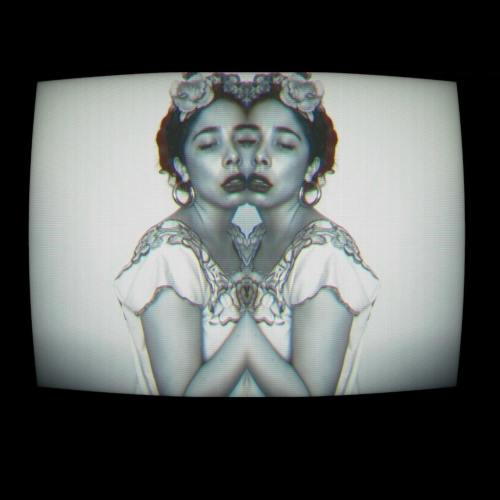

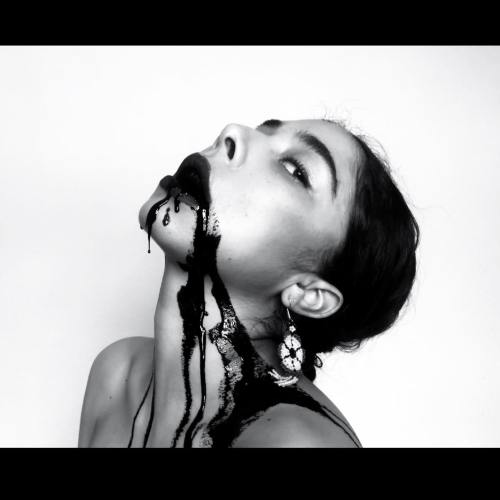
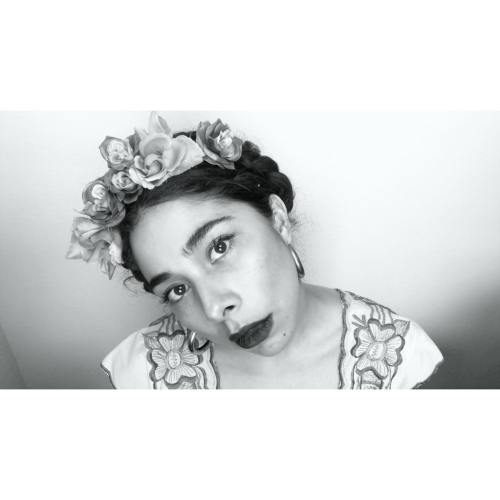
The piece begins with a television at the top of a staircase. It turns on and we see a beautiful woman dressed like the acclaimed artist Frida Kahlo. It’s shot in black and white and is eerily atmospheric as sultry smoke escapes from the woman’s mouth in slow motion. It doesn’t stay beautiful for long so hold on tight and prepare for a disorienting theme park ride through the brain of a mentally anguished woman. Through beautiful, jarring, and surreal visuals, text, graceful dance, disjointed movements and music, we have a front row seat to schizophrenia. The film technique was reminiscent of German expressionism. The character speaks in English as well as Spanish with subtitles. As the main character smokes, moves and dances she questions her sanity, talks about how women are viewed and wonders about her self-worth. In fact, one of the most resonating lines in the piece was, “My self-worth depends on others.” That will stop you in your tracks and make you think long and hard about how you perceive your self-worth.
Not all art is pretty and wrapped up in a cute little bow. The viewer is at the mercy of the creator as the recipient of the message that the artist wishes to convey. In 9 minutes you’ll squirm, you’ll smile, you’ll empathize and sympathize, you’ll relate and your thoughts will be provoked to the outer limits. Ms. Mercado did a tremendous job of helming and executing every aspect of this performance. Ella y Yo may have a particular appeal for women and anybody struggling with self-acceptance. You’ll be thrown off your axis and challenged to think about uncomfortable subject matter. This piece of art did its job.

PATRICK HICKEY, JR.: “Comix is a movement. One to tell important stories.”
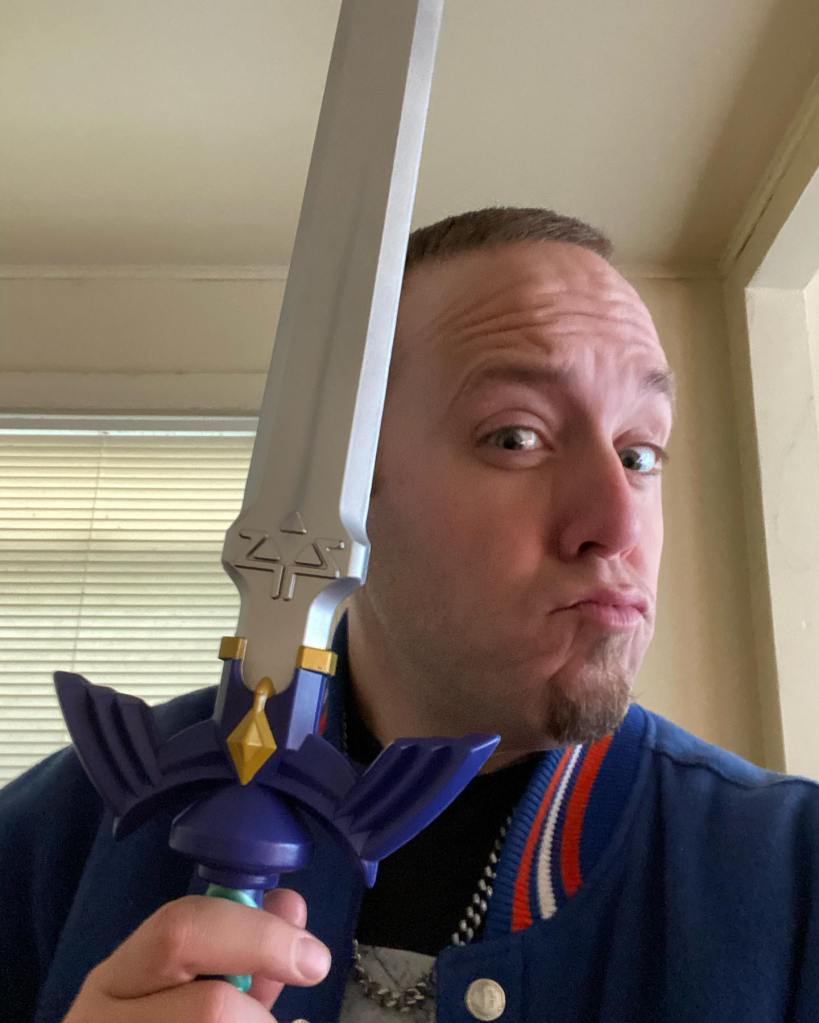
Patrick Hickey Jr. is a full-time Lecturer of English and Assistant Director of the Journalism program at Kingsborough Community College and is the Founder and Editor-In-Chief of ReviewFix.com. He’s also a former News Editor at NBC Local Integrated Media and National Video Games Writer at Examiner.com where his work was mentioned in National Ad campaigns by Disney, Nintendo and EA Sports.
But that’s not all.
Hickey’s work has been published in The New York Daily News, The New York Times, Complex, The Hockey Writers, Yahoo!, Broadway World, Examiner, Bay Currents Newspaper, where he served as the paper’s Sports Editor, the Brooklyn Papers, the Wave of Long Island, Brooklyn Free Press, Blasting News, Tri-Games.net, The Lo-Down, the Brooklyn View, NYSportsday.com, NYSportScene Magazine, ProHockeyNews.com, GothamBaseball.com, The Syracuse Post-Standard, BBallCentral.com, PlayLikeAGirlSports.com, NYCityWatch.org, Scout.com and the official sites of the Brooklyn Aces and New York Islanders.
But that’s not all.
His new book, The Minds Behind the Games: Interviews With Cult And Classic Video Game Developers is chock full of interviews with legendary developers, in an ESPN 30-for-30 style that allows them to tell their story. Currently, Hickey is working on a sequel to the series.
But that’s not all.
In addition to journalism, Hickey Jr. is a voice-actor, having starred in the 2018 indie hit The Padre (also serving as English language Story Editor), from Shotgun With Glitters and is currently writing the story for the upcoming game, Tr.1.S, where he will also be performing voiceover duties. Hickey also plays the role of Rex in the upcoming indie game “Relentless Rex,” which just completed a successful Kickstarter campaign and the narrator in “The Kaiju Offensive.”
But … well, you get the point.
Hickey now serves as co-creator/founder and writer for the new Comic Book company, Legacy Comix. His bevy of tough world-weary characters reads like anything out of magical realism.
Patrick begins a series of interviews with the masterminds behind LEGACY COMIX:
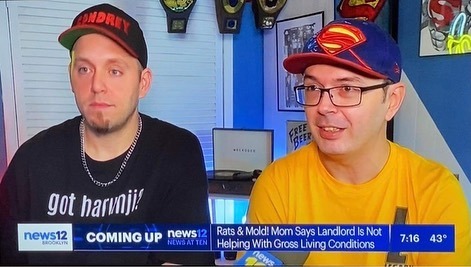
Tell us about YOU
I’m an author of seven books on video game history that are in over 100 colleges worldwide including Harvard, Yale, Stanford, UCLA and more. My non-fiction work consists of my series plus the comics, Condrey, as well as my new series KROOM and The Job. I’ve also done voice over work in over a dozen video games and am a former NBC Editor. During the day, I’m a full-time college journalism professor.
You seem to have immersed yourself in pop culture avenues (games, comix), what’s the attraction?
They are two of the most important forms of pop culture media in the world. If you’re a creator, this is what you should be creating.
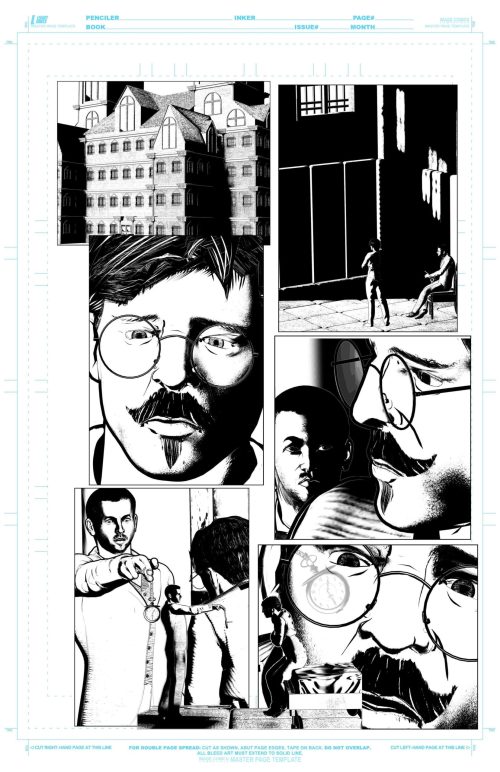
Was this always a dream of yours to run a comic book company?
Absolutely. I’ve been an editor everywhere I’ve ever worked and after my first experience in comics, I knew I was ready for more responsibility.
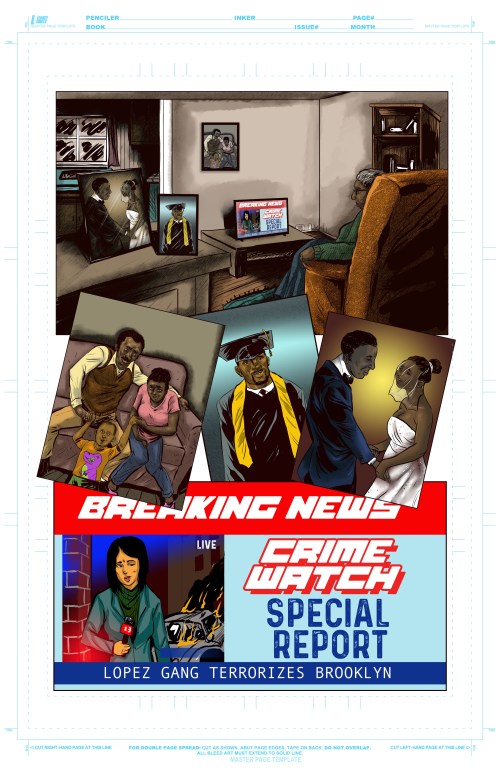
Two words: Comics & Comix, what’s the difference?
Comics is all BLAM and BOOM, a reflection of the times of our great grandparents. Comix is a movement. One to tell important stories. With and without characters that wear underwear over their clothes.
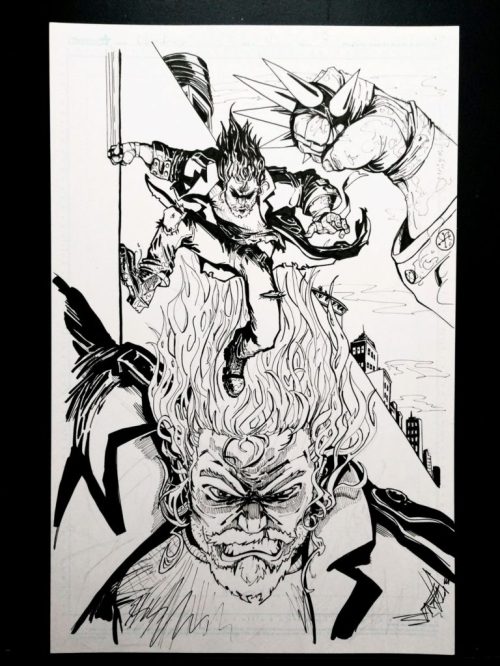
What’s the mission of Legacy?
To deliver kick-ass narratives with memorable characters.
Stan Lee is famous for creating superheroes with super problems. What do you want to be famous for in the creation of the characters in Legacy?
I want our characters and plots to be remembered. Period. It’s up to our readers to finish that thought for us.
Comic books are one of those things that looks like every part of it is fun. What’s the truth?
Comics are not fun. They are hard. They are unforgiving. They are impossible. That’s making comics. Releasing comics and hoping to get the right eyes? That’s even scarier. But when someone comes up to you at a signing and tells you about your work? Now that’s fun.
Digital comics seem to be on the rise yet you’re going with the old fashioned printing, why?
We are going with both digital and print because we know there’s a market for each. We know there are diehards that want physical books and then those who just want to read. We will cater to both.
The Marvel Cinematic Universe is based on comic books of 10 or even 20 (and longer) years ago. Do you hope for film and TV versions of your characters?
No hope needed. All of these characters are written extremely cinematically. I can see it happening for all five of our originals and even our Dracula prequel.
How do you feel about animated series of your characters?
My characters are more on the mature side, so as long as they are done with that in mind, I’m fine with that too.
How do you choose artists? How do you choose writers?
They have to be the right fit. They have to understand deadlines and promotion. If they can’t make deadlines and don’t promote themselves, they aren’t going to last long with us.
Ten years from now I will go to my comic book store and look for Legacy Comix. What do I find?
My first hope is that comic book stores still exist ten years from now. After that, I’d love to see some expensive key issues and a whole lot of cheap issues that people can purchase so they can get hooked.
Channel i continues this series later this month. Support Legacy at Kickstarter
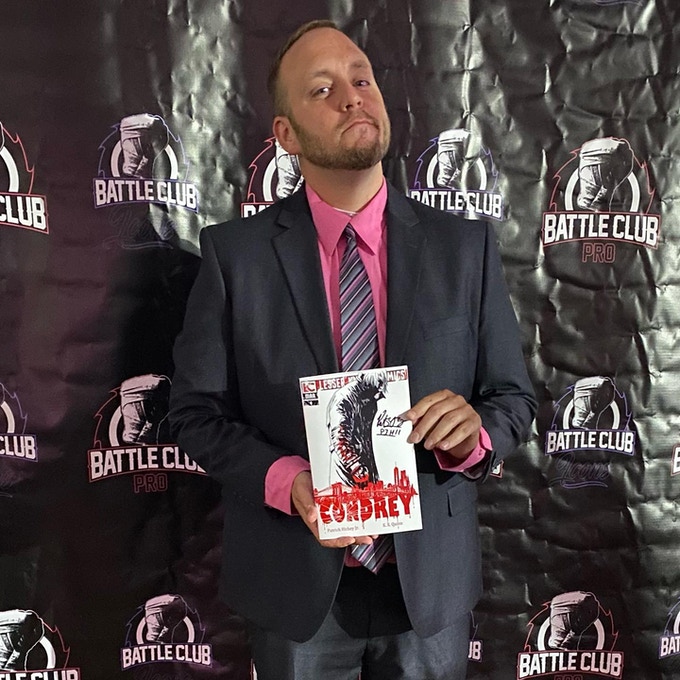

Playing with Eli Sundler
Channel I presents a series of interviews and reviews of Web-TV-Series creator, Eli Sundler and his latest creation, an ode to games and gamers, Godlike Gaming.
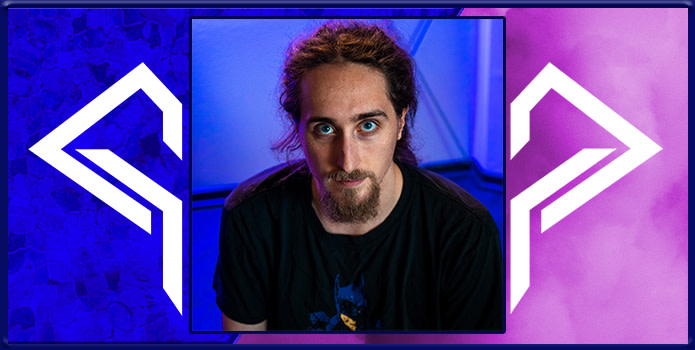
“I have a lot of experience in performing on stage doing circus shows and fire shows,” smiles Eli Sundler, creator of the new web-series, Godlike Gaming; “I studied circus for a year in Norway and we had acting classes because we were telling stories through circus. Fire shows are something I have done for over ten years, but it’s a very different kind of acting than in movies. You very rarely act through words, but instead through body movement.” An intro like that you don’t often find.
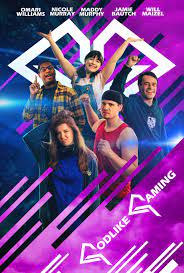
Godlike Gaming concerns four 20-something gamers and their adventures. The comedy webseries about gaming, friendship and dreams centers around a competitive 5 vs 5 game that requires tactics, teamwork and high mechanical skills. It is inspired by shows like Video Game High School, The Guild and Spaced as well as Edgar Wright’s other projects.
The main protagonist, Sky, (Nicole Murray) is a MOBA (Multiplayer Online Battle Arena) player that dreams about being the best of the best, competing on the biggest stages and winning The World Championship in a big e-sport game. Her reality on the other hand is far from that. No money, terrible apartment, and she looks it. She and her team are living their normal geeky lives when they suddenly get into a local tournament, Battle of Legends. This would have been amazing if it wasn’t for the fact that one of their members dropped out. Not only will they have to find a new member, they also need to come together as a team and work with each other like never before if they are going to have a chance in their biggest shot of fame so far.
Eli is creator, writer, director, and one of the producers of this fast-paced series that both lampoons and pays tribute to the lucrative and OBSESSIVE world of professional gaming.
Part I: Getting into the game
What event in your life made you decide to work in film?
I made up my mind that I was gonna work with film fairly late in my life and I don’t really have one event, but looking back at my life I can see that my whole life was leading up to this. As a kid I used to draw a lot and I wanted to be a comic book artist/writer. Telling stories, creating characters and worlds is just something I have always done. In my teens I started playing music. High Schools in Sweden are a bit different than they are here. You select a program that you want to study just like you do for college. I always thought I was going to study art, but when the time came I was more into music so I ended studying that instead and I did my thesis on storytelling through music. My question for it was how much of a story could come across with music alone. First year of high school was also when I started doing fire performance/circus which became my passion for the next ten years or so. There are times when I would perform something that just looks cool, but what always got me most excited was when it was well thought through and you’re conveying a story/emotion through the show. I started to film/edit videos for my fire duo. With no experience with film I was learning quickly and had so much fun. I started to realize that this is what I was meant to do and that this is probably something I always wanted to do (I used to love to see how film was made, when ever I picture my stories as kid I saw it as movies with clear shots and cuts), but my mind set had been “I don’t know how to do it so I can’t do it”. When I realized that the only way to learn how to do it is to start doing it, I became like a sponge and sucked up all the info I could about film making. My spare time was watching tutorials and testing things out. Even though it took me this long to get into movies I don’t regret it because like I said, I feel like everything was leading up to this and I think it has made me a better filmmaker. Art (and later photography) taught me about composition, framing, colors and values. Music told me about sound, emotion through music and what makes music powerful. Circus taught me about blocking, how to express story/emotion through “show don’t tell” (especially with your body) and storytelling in general.
Why do you want to work here in the U.S.?
The film industry in Sweden is much smaller than it is here and the movies that are produced in Sweden are not really the types of movies I am drawn to. I could probably count all the Swedish movies on one hand that really impacted me and that I love, but if I would do the same thing with films from the states the list would go on for a long time. Another thing that I absolutely love about the industry here is all different cultures. It feels like anytime I’m on set I meet people from new countries. I haven’t met as many people from different countries as I’ve done since I moved here in my entire life.
What obstacles have or (or are you) facing here?
The biggest obstacle coming here is that I didn’t know anyone and even though I have met a lot of amazing people and gotten some of my best friends here it just can’t compare to having contacts from your entire life from all different parts of your life. Here I mostly have filmmaking friends and even when it comes to filmmaking that could be limiting. Back in Sweden I have friends who make costumes, armor, props etc for larps and renaissance fairs, I have tons of musician friends, project leaders, photographers and more.
How is it different from working in your own country?
In Sweden the only project I did I directed and as my full time job I was a circus teacher, but here I’m working on other sets as well and it has taught me so much. Seeing other people direct teaches you almost as much about directing as doing it yourself if you’re paying attention. The work I’m doing here is also in general a lot more professional.
Learn more about GODLIKE GAMING

Playful Substance Theater Company-Pithy Party: Under the Bridge
Playful Substance Theater Company-Pithy Party
Playful Substance, one of NY’s premiere indie arts organizations known for fostering emerging writers, went “retro” and presented a telethon fundraising event of three programs. Writer-at-large, JEN BUSH, covered the event. This is Part I
Under the Bridge
Written by-Jacqueline Reason
Cast-Naila Negron, Brianna Suarez-Thomas, Anastacia Tucker and Jeorge Bennett Watson
Review by Jen Bush-12/7/21
Artists have a voice, a vision and a story to tell through mediums such as art, music and theater. What they need is an opportunity. Playful substance provides those crucial opportunities as well as support to artists. This is what Playful Substance is all about in their own words:
Playful Substance is a New York based theater company dedicated to fostering new works through our Writers Groups, developmental workshops, community events and fully staged productions. We believe that lifelong artist development, work-life balance, and the vitality of an inclusive creative space are integral to the artist’s practice. “Playful Substance” is the mission; substantive work approached with joy, cooperation, sensitivity and humor.
Their Pithy Party is an annual event putting Playful Substance’s writer’s groups in the spotlight with staged readings featuring excerpts of works in progress directed and read by company members and friends. This year’s event was roughly four hours long and showcased 10 writers, 10 directors and 30 cast members. The live performances were spread out over 3 seatings. The online performance featured bonus content such as artist interviews and a more in-depth look at Playful Substance.
If I’m a little biased toward Under the Bridge, kindly forgive me. You see, I was born and raised in The Bronx and remained there till just a few years ago. I was eating up all the familiar references with great nostalgia in my heart. Regardless, my love of the Boogie Down does not detract from the fact that this was a quality production on every level.
The playwright describes this production as a story of 3 women of color living in a white neighborhood in the 70’s. The 3 women are Laura, her mother and her sister. Laura is a teenager living in The South Bronx. That geographical area experienced horrific fires in the 70’s. Laura just experienced her first “house party” while hiding behind the couch. When she couldn’t contain her laughter listening to a Richard Pryor comedy album, everyone got in trouble. Laura’s mom was not pleased. House parties were very popular in The Bronx in that era and gave rise to the genre of music known as Hip Hop. Between the fires and bad influences surrounding her children, Laura’s mother is seeking a better life for her family. She successfully finds a doorman apartment in Riverdale.
Riverdale is considered to be an elite section of The Bronx though it’s still The Bronx. If you ask someone from Riverdale where they live, they will never utter the words, The Bronx. I think it’s forbidden. They always look at you square in the eye and say with unwavering pride, I’m from Riverdale. There is even a line in the play that references that phenomenon. Laura’s friend Yvonne says, “Isn’t Riverdale The Bronx?” Laura says, “Yeah but it’s near Yonkers.” For a frame of reference, Yonkers is very nice but it’s no Beverly Hills. The great comic book artist Howard Chaykin referred to Yonkers as a better Bronx. I would agree with that as I now reside there.
Under the Bridge has themes of urban life, teenage life and race relations. It has substance and heart. This production will make you laugh and break your heart all in one evening. In the 70’s, Riverdale did not embrace having people of color reside there and some very sad and telling dialogue in the play reflected that fact.
The acting was rock solid with everyone matching beautifully to their roles. The actors crafted subtle maturity, tenderness, sassiness and humor. It definitely leaves the audience wanting to see more of young Laura’s journey.
It’s a rare treat to see a play and then get the author’s perspective immediately following the performance. After the production of Under the Bridge, Jacqueline Reason was briefly interviewed. This was the third time that she participated in Pithy Party. It was so interesting to find out that this play began from a poem. It was the author’s desire to bring to life fully dimensional characters. I can say with certainty, this desire was fully achieved.
Film Review: “Half Truth” is Fully Enaging
Review by Lew Antonie
Shaman Harsha offers up a psychological thriller/horror movie/crime drama hybrid for our approval. And put it in one short film. In Half Truth, Harsha’s sharp direction, camera work, and editing blended beautifully with Justin Swartz’ subtle script, allowing us to feel tension from the onset.
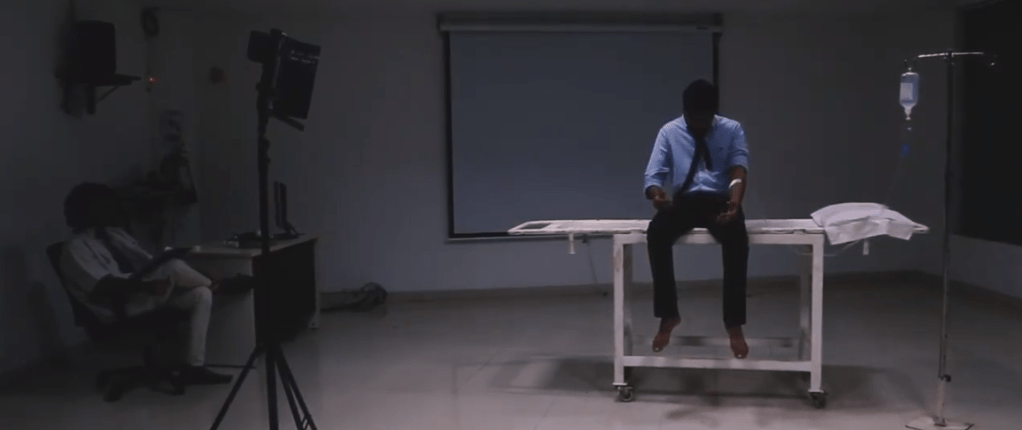
As the film dictates, a man (who killed his wife) is questioned about how he did it and why. Or so we think. What follows is a dark game of question and answer/cat & mouse/true or false revealing what we already know – this man killed his wife. But, thanks to Harsha’s clever use of camera angles and don’t blink editing, what should be reveals become more deceptions. Did this man kill his wife? Is this a doctor examining him? A character even disappears … or does he? And way does he look like the doctor? The allure is whether we are watching a confession, a dream, or a drug-addled mirage? Is this real or is he being framed or is he insane? Is he in a hospital room or a prison or is he at home and this is happening in real time.

Harsha’s direction and cinematography coupled with Shailesh Rao’s lonely piano music led down a retro path leading to the Twilight Zone or Night Gallery. Ojesh Sancheti as the tormented criminal/victim was suitably hysterical/terrified even in his most still moments, always looking a bit disheveled – outside and in; while Abhishek Sircar never once made us feel comfortable – which was great – thanks to whisper tones and flawless shadow effects courtesy of Harsha.
This clever foray into noir-style mystery could easy serve as a pilot for an engaging television series or elaborate feature film. And that would be welcome as Shaman Harsha handles his camera work like a virtuoso on a piano.

Familial Laughter
Review by Dara Jemmott
“Black women are not a monolith,” was my immediate take away after seeing the diversity of our thoughts at The Joke Sistas at New York Comedy Club.
Walking into the SOLD-OUT show presented by New York Comedy Festival and Black Women in Comedy Laff Fest, you could feel the energy in the air.
Glo Butler as a host was funny, warm, energetic and interacted with the “Aunties” in the audience like your favorite play cousin.
The entire show was giving family reunion vibes, set by Glo and continued when founder of BWICLF, Joanna Briley hit the stage. With over twenty years of experience, she sparkled and delighted the audience with her radiance, joy and crazy stories working for the MTA.
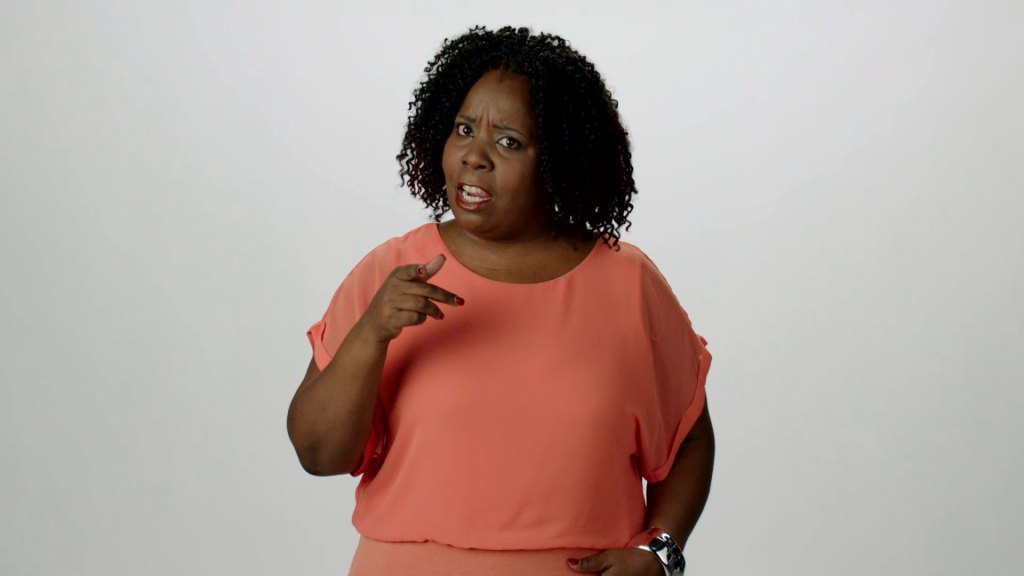
Creative Director of BWICLF and late night talk show host, Hollie Harper lit up the stage with her honest and hilarious stories of motherhood. Special guest Moonie had the entire audience on her side, which is not something every lawyer can say!
Getting the chance to watch comedy veterans that I’ve seen on TV, all performing on one show, in real life was such a treat! Calise Hawkins (That Damn Michael Che Show, HBO), Erin Jackson (They Ready, Netflix), and Mugga (Manifest, Power, Orange is the New Black) all took the stage and owned the room, with the crowd sounding more like a laugh track than a live audience. Their comedy covered so many different experiences and watching them finesse each punchline, it’s evident why each of them have lasted and excelled in the game.

The headliner who is also a writer for Nickelodeon, Mechelle “The Indie Mom of Comedy” gave a master class in shutting a room down! Closing out the show with such a wave of infectious and explosive laughter, it was no surprise she left the stage to a standing ovation. There was a genius to her ability to have act outs, layered with call backs and surprises, creating a rollercoaster of entertainment, leaving the audience hanging on every word.
From beginning to end the Joke Sistas felt like the food for the soul we have all been missing in quarantine.
 Arts Independent