
Nothing Left but the Kindness of Strangers: A Jim Catapano Review
Bernard J. Taylor’s Tennessee Williams: Portrait of a Gay Icon Brings a Legend to Life at the ATA
Tennessee Williams is alone on stage, and at this point, apparently alone in life. Seen on a lecture tour, he is surrounded by posters of his most famous works: A Streetcar Named Desire, The Glass Menagerie, Cat on a Hot Tin Roof; the face of his muse, Anna Magnani, stares out at us from a poster of The Rose Tattoo. Another wall is plastered with manuscript pages, relics of an era when creativity flowed. Pictures of his beloved sister Rose, his parents (one loving and one abusive), and his life partner Frank Merlo are on the table next to the chair from which he tells his story. They are all ghosts now—the only companion he has with him is a bottle of Vodka. He reminds himself to take “small sips”, but as his trauma comes to the surface these become heavy gulps. His laughter gives way to gasps of despair; he hugs the chair and sobs, imagining it to be Frank in his late partner’s last moments. He screams out Anna’s name in utter desperation for a companion for comforting and understanding than a liquor bottle.
John Stillwaggon as Williams is astonishing; one feels they are genuinely spending an evening with the legendary writer. Williams bares his soul, exorcises his demons and welcomes them back in again, and we feel we are witness to something extraordinary, as turns triumphant and tragic. The south of the mid-20th century comes to life in his words, and his disdain for the dreaded city of St. Louis is a hilarious running theme amidst the sadness.
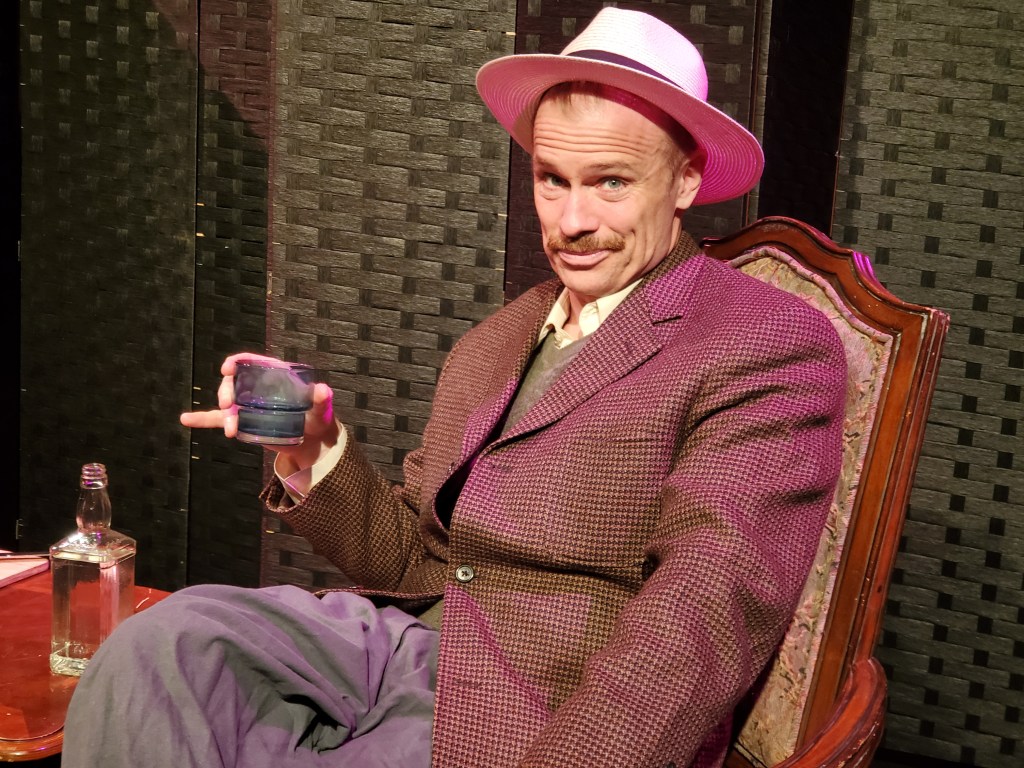
A gay man in a time and place where that was not treated kindly, Williams is portrayed by Stillwaggon as defiant, boisterous and charismatic, while simultaneously tragic and heartbreaking. He laments the fate of his beloved Rose, inspiration for Laura in The Glass Menagerie, and the victim of a lobotomy in a time when mental health was even more misunderstood than it is today. He mourns his beloved Frank and curses his vile father, who he says he only got along with “after he died.”
He gushes at the magnificence of the young Brando and rages against the critics—and at “the dying of the light,” noting that he’s once again “graverobbing” from other artists. “They say Dylan Thomas went to the White Horse Tavern…drank 18 shots of whiskey and dropped dead,” he remembers, glancing at the Vodka bottle and musing that he’s likely halfway there himself. It’s funny until you realize he likely wants to complete the journey.
The production is a must-see for the masterful performance of Stillwaggon, who recreates the swagger, wit, charm and pathos of Williams perfectly. It is directed deftly by Carolyn Dellinger, with a brisk pacing that complements Stillwaggon’s performance and Taylor’s writing expertly. It provides great insight into not only the story of one legendary artist, but the very notion of the highs and lows of fame, and the “having and losing” nature of life itself.
Tennessee Williams: Portrait of a Gay Icon, as part of the Icons Festival, runs at the American Theatre of Actors through June 15, 2025.
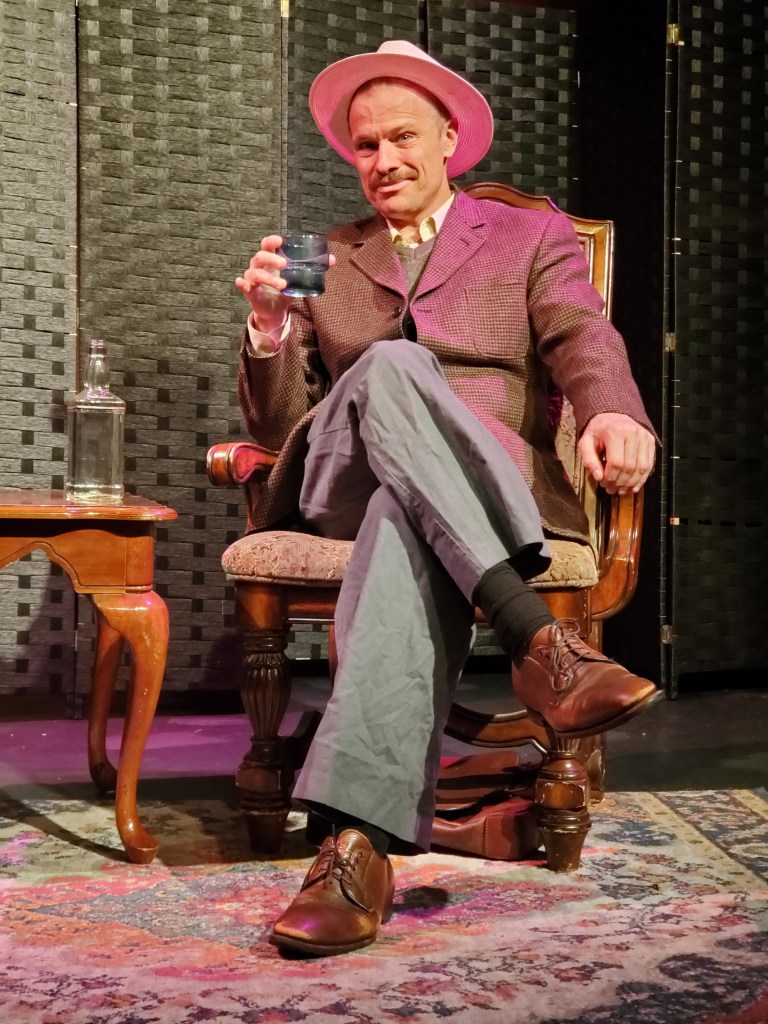
CAST ANNOUNCED for “the other Shakespeare in the Park:” Shakespeare Sports’ Comedy of Errors directed by Michael Hagins
CAST ANNOUNCED for “the other Shakespeare in the Park”
Shakespeare Sports Theatre Company opens its SHAKESPEARE SUMMER TOUR with a new production of the Comedy of Errors directed by Michael Hagins; Adam Sherwin, stage manager, coming to a park or performance space near you!
SCHEDULES THUS FAR: Riverside Church July 17 @ 7 pm RESERVE A SEAT
St. Francis Cabrini Shrine July 19 and 20 @ 4 pm RESERVE A SEAT
Summit Rock in Central Park July 26 and August 2 — BOTH @ 2 PM RESERVE A SEAT
Pat’s Lawn in Inwood Hill Park July 27 @ 2 pm RESERVE A SEAT
ALL EVENTS ARE FREE
Shakespeare’s Hilariously Haywire “Comedy of Errors,” a frolicsome farce so fantastically foolish, it’s practically a recipe for roaring laughter! “The Comedy of Errors,” a play where mistaken identities run riot features the following cast: Vic Gitre, Charlie Keegan James, Emily Glaser, Jennifer Kim, Melissa Meli, Erica Gerold, Katie Freimann, Lila Ashley Meyers, Kasey Cznowski, Hayley Berketa, and Molly Feisher
Imagine, if you will, a bustling ancient Ephesus, where not one, but TWO sets of identical twins are about to stumble headlong into a hilarious hullabaloo! We’re talking Antipholus of Syracuse and his ever-so-loyal (and equally confused) servant, Dromio of Syracuse, who unwittingly wander into the very city inhabited by their spitting images, Antipholus of Ephesus and his own bewildered Dromio!
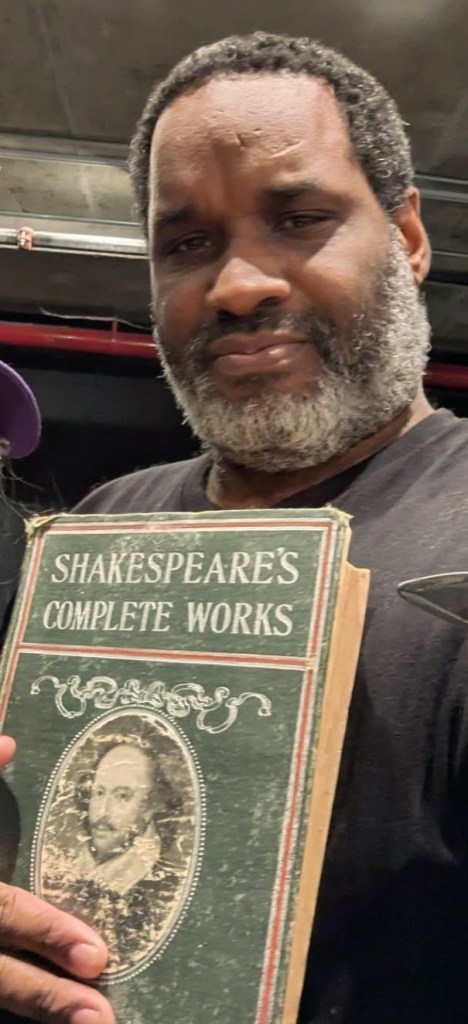
This uproarious rendition, brought to life by the visionary direction of Michael Hagins who is a celebrated Shakespearean artist in NYC with productions of Macbeth, Hamlet, Romeo and Juliet, A Midsummer Night’s Dream, Two Gentlemen of Verona, Twelfth Night or What You Will, Titus Andronicus, King Lear, Othello, Julius Caesar, Pericles, King John, King Henry IV, Part 1, King Henry IV, Part 2, King Henry V, King Henry VI, Part 1, King Henry VI, Part 3, King Richard III, The Winter’s Tale, As You Like It, The Taming of the Shrew, The Comedy of Errors, The Tempest, The Merchant of Venice,Timon of Athens, All’s Well That Ends Well, Troilus and Cressida, Love’s Labour’s Lost, Henry VIII, Two Noble Kinsman, Cardenio\Double Falsehood, Edward III, Merry Wives of Windsor, Cymbeline, Richard II, Antony & Cleopatra, Coriolanus, Much Ado About Nothing, King Henry VI, part 2 and part 3, and Measure for Measure.
ALL EVENTS ARE FREE

The Bees Still Can’t Help Themselves! says Jim Catapano
Douglas Carter Beane’s 90s Classic As Bees In Honey Drown Gets a Masterful Revival
“Once, I saw a bee drown in honey, and I understood,” is a famous quote attributed to the 20th Century Greek writer Nikos Kazantzakis. He recognized the danger of wanting too much, the trap that is set for us by our own unquenchable desires. Douglas Carter Beane took this fact of life and fashioned As Bees In Honey Drown, an astute and incredibly witty play that takes a brutal look at the fame game and how seduction can lead us down a dark path, and eventually destroy us. The Modern Classics Theatre Company has brought this masterwork roaring into the (new) 20s with panache and a sterling cast.
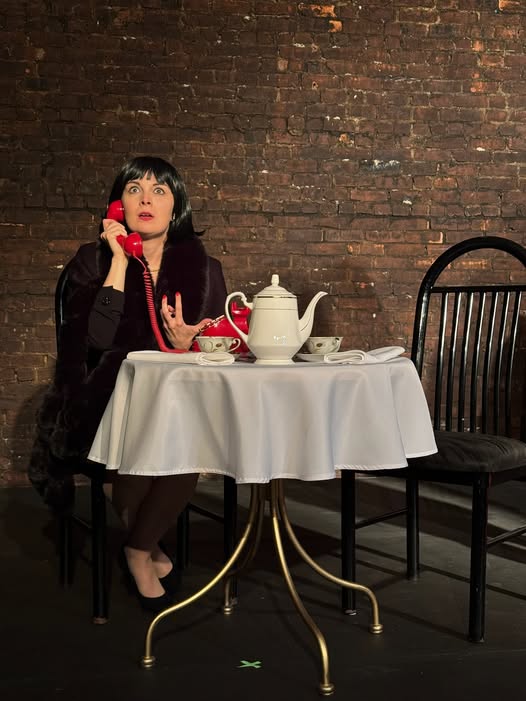
New York City con artist Alexa Vere de Vere (Christina O’ Shea), the villain of As Bees in Honey Drown, recognizes the power of the “honey” that is fame and fortune, and makes a living out of exploiting those who hunger for it. Alexa is a force of nature, a narcissistic socialite in designer dresses who sports an Uma Thurman Pulp Fiction-style black bob and an air of being the most important person at the party. She claims a thousand connections and drops a name at every opportunity, in an exotic, unplaceable accent rivaling that of Kathleen Turner (as she freely points out). As her story unfolds we learn that she is both Frankenstein, and the monster. The latest bee in her honey pot, Evan Wyler (Peter Konsevich), is a writer on the cusp of fame. At a magazine photoshoot for his upcoming book he is convinced by the photographer to pose without a shirt, and this gets Alexa’s attention, outing him as a person desperate for success. She seduces her prey with promises of fortune and glory—convincing him that she is the one who can take him to the top. They dine, they banter, they party, and he foots the bills. She even gets the openly gay Evan to fall for her: Just when it seems like Alexa’s pretentious phoniness is getting too obvious, she “humanizes” herself with a tragic backstory that’s really too “bad” to be true, but reels Evan in anyway. “I love you,” he proclaims at her weepy suggestion that she is unlovable. Before long he is down thousands of dollars, alone, still not famous, and desperate to get revenge—or so he says. Does he hate Alexa, or is he still infatuated?
O’Shea gives a powerhouse performance as the conniving Alexa. She is at turns over-the-top, hilarious, irresistible, and even at times almost sympathetic, and it all comes together brilliantly. When Evan finds artist Mike (Kevin Russo), Alexa’s overall-clad ex-partner and the focus of her tallest tale, we see in a flashback that he was the first victim of her crime spree. (She even chillingly calls him “lamb” before their falling out, just as she would later dub Evan.) As with Anakin Skywalker/Darth Vader, this compelling prequel shows us how the “Alexa” persona came to be, down to the accent and the bizarre surname, and O’Shea is remarkable portraying the ordinary girl behind the curtain who slowly morphs into the supervillain.
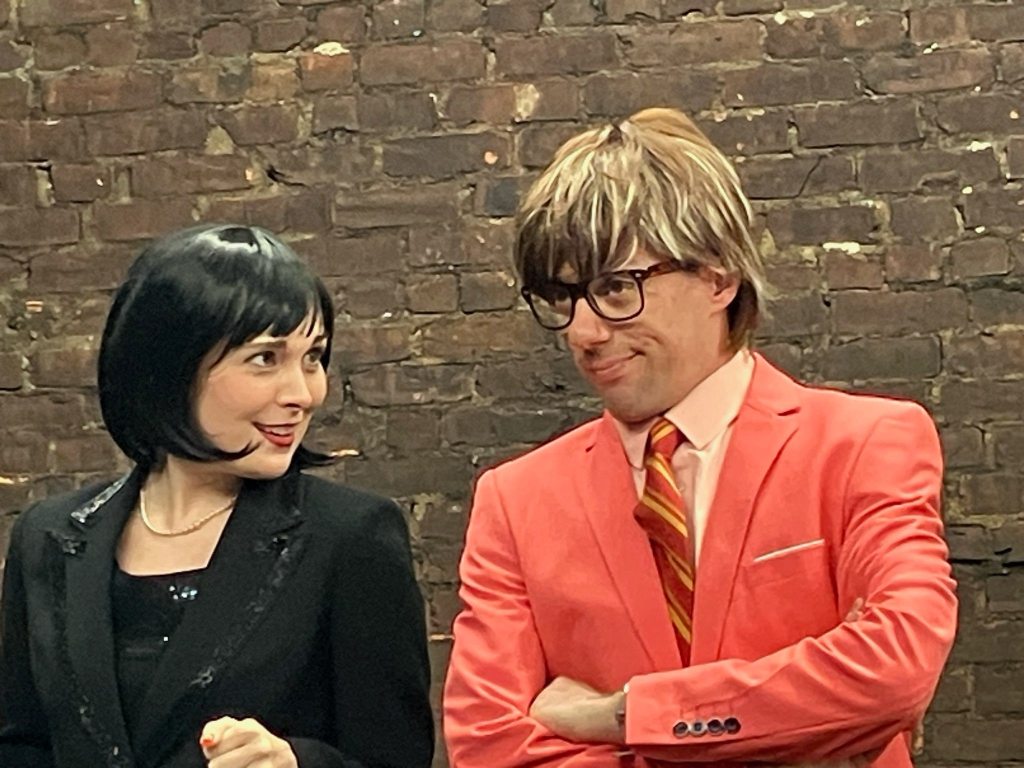
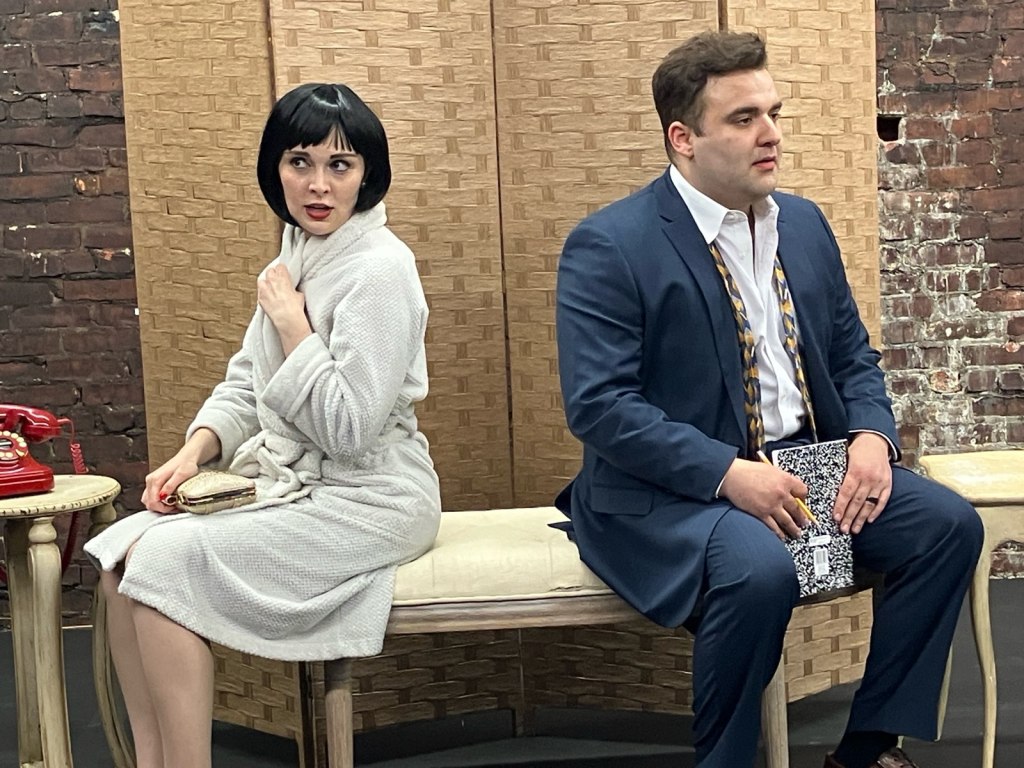
Konsevich is sympathetic and very funny as the befuddled, relatable Evan. Brian DiRaimondo, Julie Lorson, and Ronni Schweitzer round out the cast wonderfully in multiple roles, including several of the other bees caught in Alexa’s honey whom Evan calls on in his plan to get even. It all makes for an entertaining and faithful rendering of Keane’s clever classic, a cautionary tale that is all the more relevant in this modern age of Social Media, Influencers, and the “almost famous” who will do anything to get to the top of the search engine.
As Bees in Honey Drown is deftly directed by Tarmo Kirsimäe. It runs through June 1 at the Bacca Arts Center in Lindenhurst, Long Island. For more information, go to https://modernclassicsli.booktix.com/dept/main/e/Bees

American Theatre of Actors announces Jessica Jennings as New Executive Director on Eve of 50th Anniversary
The American Theatre of Actors (ATA), a cornerstone of New York City’s off-off Broadway scene, today announced the appointment of Jessica Jennings as its new Executive Director. This announcement comes as the venerable institution approaches its 50th anniversary in 2026. James Jennings, the theatre’s esteemed founder, will continue in his role as Artistic Director.
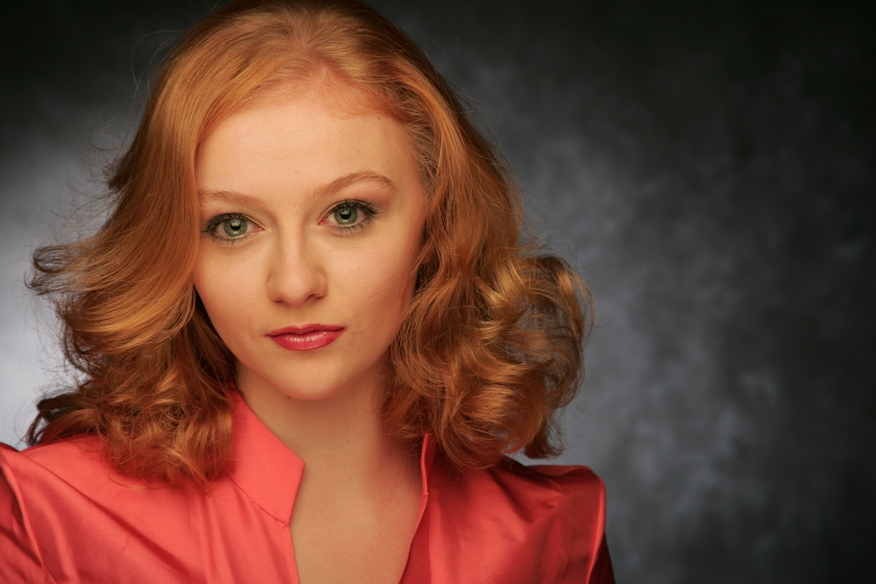
“I’m thrilled to continue the tradition started by my father in 1976 and now to bring the theatre forward into the next generation of the 21st century,” said Jessica Jennings, a multifaceted theatre artist with a distinguished career as a director, actor, dancer, and producer.
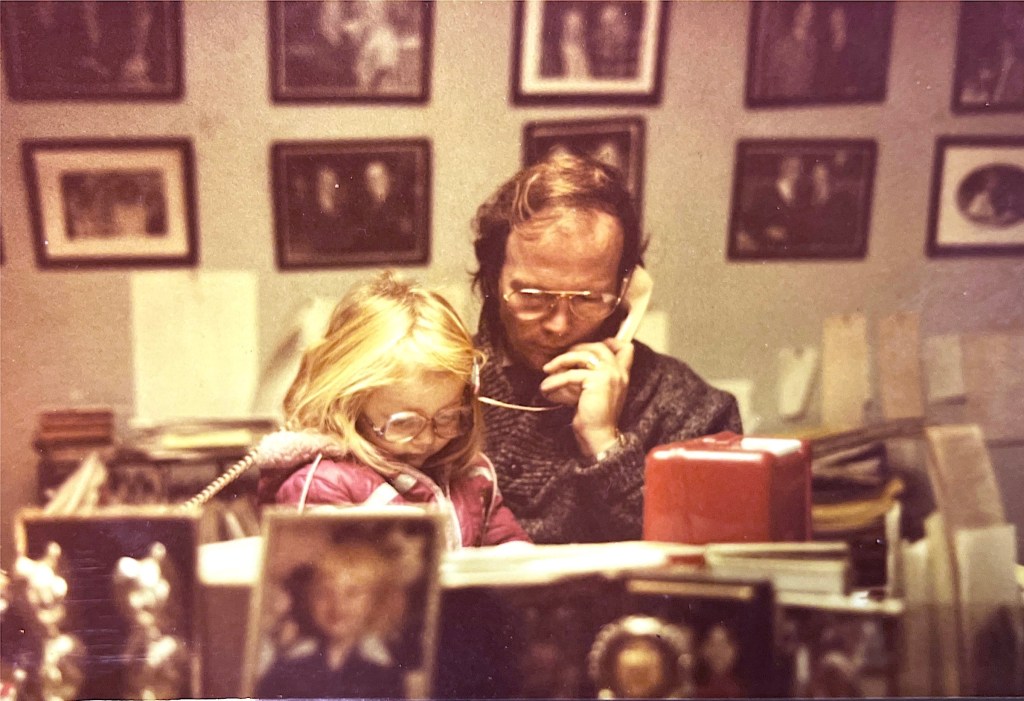
James Jennings, a celebrated figure in independent theatre renowned for directing the complete Shakespearean canon and his work with legends like Elia Kazan, Lee Strasberg, and Harold Clurman, expressed his pride: “I’ve watched Jessica go from that little girl looking over my shoulder to a celebrated director/actor/dancer and producer. Her plans and ideas are already bringing a new dimension to all three theatres in the ATA complex.”
Jay Michaels, ATA’s longtime press representative, echoed this sentiment, stating, “The Jennings family has truly placed itself as a prominent arts family in the indie arts scene of New York! Jessica’s vision is a dynamic force for the ATA’s future.”
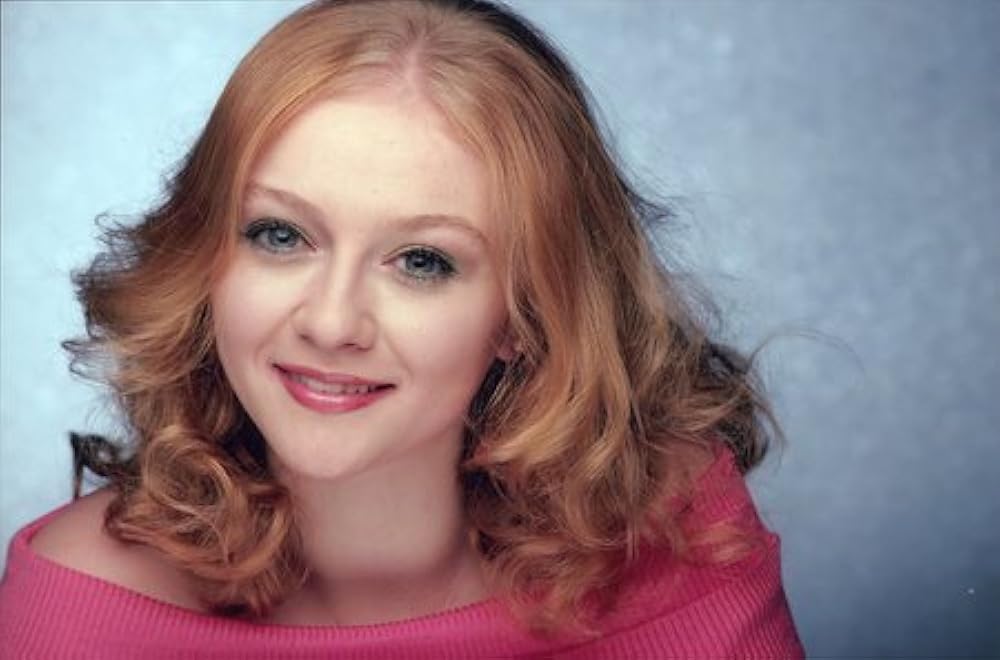
Jessica Jennings brings a wealth of experience to her new role. She holds a BFA in Dance from the University of the Arts and a certificate from the Martha Graham School of Dance, where she was a Van Lier Scholarship recipient. Her dance career includes performances at the Philadelphia Fringe, Edinburgh Fringe, and the Etruscan Riviera Festival, as well as collaborations with renowned choreographers and companies. Notably, she danced in Cinderella with the Fort Worth Ballet at City Center and served as a dancer and dance stand-in for Bryce Dallas Howard in M. Night Shyamalan’s film, The Village, where she also assisted in teaching period dances to the cast.
As a director, Ms. Jennings has garnered accolades, including audience-vote awards for her productions at the John Chatterton Festival and Testo-Genius, the Jean Dalrymple Award for A Midsummer Night’s Dream at ATA, and a Princess Grace Award nomination for Romeo & Juliet.
Her acting credits are equally impressive, ranging from childhood appearances in commercials to lauded performances on the ATA stage, including Ophelia in Hamlet, Katherine in Taming of the Shrew, and Lady Macbeth. She has also performed in numerous Shakespearean productions and Off-Broadway shows.
Beyond her artistic achievements, Ms. Jennings possesses significant business acumen gained from managing multi-million-dollar retail locations and her experience in development at the Spanish Repertory Theatre (Repertorio Español). As the founding Board President of Ripple Effect Artists, a social-justice theatre, she honed her skills in theatre management and development, co-producing Off-Broadway shows and SAG short films. In 2021, she established Alchemy Theatrical Consulting, assisting indie theatre clients with various aspects of production and management. She has since returned to the American Theatre of Actors, contributing to rebranding, archiving, marketing, and business development.
American Theatre of Actors
Founded in 1976, the American Theatre of Actors is a vital repertory theatre company dedicated to fostering new talent in playwriting, directing, and acting. Over its history, ATA has presented over 1000 new works and provided a platform for more than 11,000 actors, including notable names such as Dennis Quaid, Bruce Willis, and Edie Falco.As the American Theatre of Actors looks towards its next 50 years, the appointment of Jessica Jennings as Executive Director signals a dynamic new chapter for this influential institution.
Contact info@jaymichaelsarts.com for further info

The Wit and Wisdom of Felipe Luz as written by Jim Catapano
An Up-and-Coming Cabaret Star Looks at Life, Love, Lust, and Everything Else That Happens Under the Covers
“As tempting as it is, please refrain from opening your dating apps during this show,” requests Felipe Luz in a voiceover at the beginning of their show, dubbed “Men Are Trash and I’m a Raccoon.”
Luckily, Luz is too engaging for that to be a concern. They’re not performing in a one-person show; They are a one-person show.
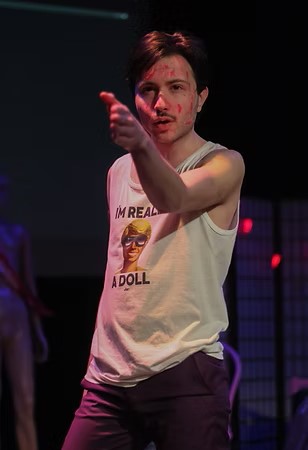
Luz is a Manhattanite who pursued an MFA in Acting at Ohio University (where they recently brought their show). They are a self-described “Brazilian multi-hyphenate and teaching artist” who believes “we should all live our lives as works of art.” And they are fulfilling this 100 percent in their ongoing theatrical journey, where they regale the crowd with persona life stories and lessons—with plenty of laughs along the way.
A stage is set with Japanese byōbu screens flanking a semi-dressed mannequin behind a makeup mirror and table, and a satin-sheeted bed. Luz emerges, a lighthouse beacon coming to rescue us from our denial of how modern life works (or doesn’t).
“How much will people put themselves into boxes only to get laid?” they observe. “Isn’t Grindr the LinkedIn of Sex”? And thus, the tone is set, and it’s lots of Truth and implied Dare. Luz proceeds to lay down the ground rules that must be followed if anyone wants their attention—no sex with idiots, no politics, no questions asked—while acknowledging that all those rules get dropped if Luz is feeling “super-horny.”
Luz’s honesty is refreshing and hilarious, and we laugh as they shine the spotlight back on us, urging us to consider our own motives in life and love. The show is filled with Luz’s astute observations and revelations; they admit they’ve always been a
“manic pixie dream boy,” who often exists solely as a “plot device” for people to learn about themselves before they move on to someone else (a stunning realization that surely hits home for many of us).
Lux is the kind of performer who holds your attention from beginning to end (an end that arrives too soon and leaves the audience wanting more). Their storytelling is rich and poignant, peppered with hilarity and familiarity, emotion and vulnerability. A relationship begins, addictions are addressed and conquered, feelings increase and diminish, restlessness and doubt creep in, and a wondering of what else is out there leads to growing apart and finally, a breakup.
“I’ll be forever grateful to you for showing me that I deserve love,” Luz says to their unseen former partner in a bittersweet, teary moment. Then the mood changes, as Luz, jumping excitedly on the bed, announces a plan to message all the boys they’ve ever dated and call them out— “just for the drama!”
Social media, and its impact on modern dating, gets a turn under Luz’ powerful microscope. In a nutshell, they observe that our addiction to checking on people from our past online means we can never truly turn the page and free ourselves, and our former objects of affection know this. “I’ll start dating someone else in two weeks, and they won’t even be that pretty, and you’ll wonder what’s wrong with you!” Luz proclaims to a past paramour (another shot to the heart).
It’s then that a true shot to the heart is delivered. “We’re always waiting for someone, so we don’t want to get too attached, because there might be someone better waiting around the next corner.” Luz knows themself—and us—very well.
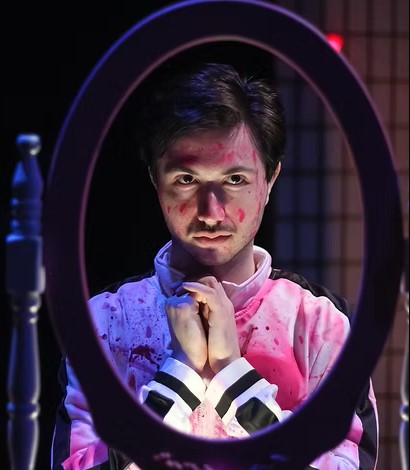
“Men Are Trash and I’m a Racoon” recently ran at Brooklyn’s The Rat, and further NYC shows are coming this year. Follow Felipe on Instagram at @letherebefelipeluz to see what they do next (and where you can see them do it!).

CALL FOR SUBMISSIONS: Midtown International Theatre Festival, July 2026.
CALL FOR SUBMISSIONS Midtown International Theatre Festival, July 2026.
The Largest NY Independent Theatre Festival
Contact info@jaymichaelsarts.com for further info
The New MITF is currently accepting submissions for its inaugural festival, scheduled for July 2026.
CLICK HERE for info and application

Set to take place over three weeks in July 2026, the revived MITF promises a diverse and dynamic lineup of theatrical experiences.
The MITF will showcase a wide spectrum of performances, including plays, musicals, cabaret acts (now named in honor of the late Vickie Phillips), and solo shows encompassing stand-up comedy. Discussions are underway to add a film festival in the series. Productions of all lengths are welcome, from concise one-minute pieces to full-length shows up to 120 minutes. Excitingly, discussions are also underway to potentially include an indie film festival and an art exhibition, further enriching the festival experience.
The original MITF, established in 2000 by John Chatterton to complement the downtown scene and ran for 18 successful seasons. MITF quickly became a respected and highly visible platform for independent theatre, even pioneering a festival model of theater rental and shared box office revenue that continues to influence theatre festivals today.
Participating in the MITF offers numerous benefits for producers, often at a more affordable rate than producing independently. The participation fee (PF), a down payment against a share of the gross, covers essential amenities such as:
- Publicity: Led by Jay Michaels and his team, ensuring broad exposure for all productions.
- Rehearsal Time: Allocated technical rehearsal and run-through time.
- Storage Space: Limited backstage storage provided at each venue.
- Performance Space: Rental of the venue for all contracted performances, including setup and strike.
- Technical Director: On-site support during rehearsals and performances.
- Lighting Designer: Professional lighting plot setup for each theatre.
- Equipment: Access to necessary festival-provided equipment, including an 88-weighted key electronic keyboard.
- Air Conditioning: Guaranteed comfort in all performance spaces.
- House Management: Staff to manage audiences.
- Box Office: Professionally managed ticketing services.
- Venue Management: Staff to ensure smooth operations and adherence to schedules.
- The Festabill: A full-color program guide for patrons, with advertising opportunities for shows.
- Insurance: General liability coverage provided by the festival.
An application form is available online HERE.
Please contact info@jaymichaelsarts.com for further info.
The festival anticipates announcing its partner theatre venues before the end of 2025.

Julie Lorson: A Theatrical Force Multiplied in MCTLI’s “As Bees in Honey Drown”
Anya Kai, reporting
For Julie Lorson, a dedicated board member of Modern Classics Theatre of Long Island, theatre isn’t just a hobby – it’s a way of life. Her involvement spans far beyond the stage, encompassing producing, stage managing, technical operations, publicity, and even prop and costume sourcing. This deep commitment makes her inclusion in the cast of “As Bees in Honey Drown” at the BACCA Arts Center a particularly significant contribution, showcasing her multifaceted talent.

While deeply involved behind the scenes, “As Bees in Honey Drown” marks only Lorson’s third main stage performance with MCTLI, following her roles in “The Curious Savage” (alongside fellow cast member Christina O’Shea) in 2022 and “The Curious Incident of the Dog in the Nighttime” in 2023. She has also been a consistent participant in their annual One Minute Play Festival, demonstrating her consistent engagement with the company.
Lorson’s connection to “As Bees in Honey Drown” began during the play selection process for the season. Among thirty scripts, Beane’s work stood out for its “brilliantly written and incredibly witty” dialogue. She was particularly drawn to the central character of Alexa Vere de Vere, whom she describes as the aspiration of every actress, a compelling “anti-hero” who is both captivating and detestable. Lorson also appreciates the rarity of a show driven by a strong female lead, making this production particularly appealing to her.
Despite the play being set in the late 1980s and early 1990s, Lorson finds its themes strikingly contemporary. She draws a parallel to the recent news surrounding Anna Sorokin, whose real-life deceptions bear a remarkable resemblance to Alexa’s schemes, even playfully suggesting Sorokin might have drawn inspiration from the play. This relevance underscores the enduring nature of the play’s exploration of ambition and artifice.
In “As Bees in Honey Drown,” Lorson takes on the ambitious task of portraying six distinct characters, each demanding unique costuming, accents, wigs, and shoes. This demanding feat has led to a significant personal realization. “I play six different characters, with 6 different costumes, 6 different accents, with 5 different wigs, 4 pairs of shoes and it’s a lot. But I learned that I can handle more than I thought,” she reflects. This challenge has proven both demanding and deeply rewarding, showcasing her versatility as a performer.
Lorson finds inspiration in the transformative power of wigs, particularly referencing a Tracy Ullman stand-up skit where wigs embody distinct personalities. This concept serves as a key influence for her multiple roles in the play. Beyond this specific inspiration, she admires the powerful presence of Broadway divas like Ethel Merman, Patti LuPone, and Audra McDonald, as well as the sharp wit of female comedians such as Judy Gold, Lisa Lampanelli, Amy Schumer, and Sarah Silverman.
As a self-described “comedic actress,” Lorson’s primary mission is to evoke laughter from the audience. “I feed off of laughter,” she admits, highlighting the symbiotic relationship between performer and viewer. She also emphasizes her responsiveness to the audience’s reactions, adjusting her performance to their preferences.
Interestingly, despite holding a degree in film theory, Lorson has no aspirations for a career in film acting. The prospect of multiple takes for a single scene holds little appeal for this “one and done type of girl,” further solidifying her passion for the immediate and dynamic nature of live theatre.
Lorson humorously describes her weekend role as a birthday party clown, where she enjoys the enthusiastic reception from her young audience. However, her true appreciation lies with performing for “theatre people” who understand the dedication required to mount a successful production. While her family offers their support, she notes that only her theatre-involved father truly grasps the intricacies of the process.
When considering who “needs” to see “As Bees in Honey Drown,” Lorson highlights its dual nature as a mystery, following Evan’s unraveling of Alexa’s identity, and a character study in multiple personalities. This makes it particularly appealing to mystery enthusiasts and fellow actors seeking to observe the complexities of portraying diverse roles.
The intricacies of managing numerous wigs have become a running joke within the production. “We joke that the show isn’t actually about Alexa and Evan but about the 13 wigs we use throughout the piece,” Lorson quips. A specific challenge lies in differentiating between her various British accents, ensuring her “proper British accent doesn’t sound too much like my Cockney British accent.”
Looking ahead, Lorson is eagerly anticipating her role as Beth in “Birthday Candles” at Lighthouse Repertory Theatre. This production marks her fourth consecutive show since early May, leaving her with a packed schedule until her brief “break” around July 4th, which will be followed by a cabaret performance.
Julie Lorson’s deep-seated love for theatre, her willingness to tackle multifaceted roles, and her dedication to engaging the audience make her a vital part of Modern Classics Theatre of Long Island’s production of “As Bees in Honey Drown.” Her ability to seamlessly transition between six distinct characters promises a dynamic and entertaining experience for all who attend.
Is That in the Script? asks Jim Catapano regarding Joseph P. Krawczyk’s Living the Play
Joseph P. Krawczyk’s Living the Play: A Dangerous Time for Women Is Timely, Clever, and Compelling
It is November 5, 2024. Crystal (Chelsea Clark), a New York Theatre actor, and her partner Jeremy (Nathan Cusson), a psychotherapist, are coming back to their apartment after voting for Kamala Harris on Election Day. Crystal awaits the outcome with tremendous trepidation while Jeremy just “que-sera-seras” and suggests they hope for the best. Crystal is also gearing up for her lead role in a make-or-break Off-Broadway production, a two-hander about a woman whose pregnancy and subsequent difficulties in getting proper reproductive care lead to tragedy. Jeremy’s apparent nonchalance (masking an anxious personality, as we soon learn) exasperates the passionate Crystal. She implores her reluctant partner to run lines with her. Jeremy, whose own acting career was brief and long ago, reads the lines initially in a disinterested monotone. But he has a didactic memory, and begins to get very familiar with a show that he’s not even in. The rehearsal of the tense dialogue between the couple in the play begins to mix with Crystal and Jeremy’s actual discourse and their real-life relationship difficulties, leading to the ominous mantra, “is that in the script?” (or, are we really saying these things to each other?). Soon neither they—or us—is certain where Crystal and Jeremy end and their characters begin.

The play-within-a-play technique, set against the backdrop of the real-life circumstances its audience finds itself in the United States of 2025, makes Living the Play a unique and powerful experience. We who are observing the couple know how the election of 2024 is going to end; how it’s going to affect Crystal; and how it threatens her rights as a woman. A revelation drives home that her character’s plight in the play could well be a foreshadowing of her own future, and Jeremy—whose “life is not at risk,” as she reminds him—seems incapable of the support and understanding she needs from a partner. Crystal had turned off the news for the remainder of November 5 after casting her vote, and it’s left to Jeremy to inform her of the outcome. She grabs a pillow and screams into it, and It’s a sad and chilling moment of recognition for those of us who wanted things to go another way. Jeremy continues to play the “it won’t be that bad” tune, ignorant of the fact that he is dismissing Crystal’s fear, and the clear and present danger that every woman is now in.
With this dark cloud over the future and their relationship, Crystal carries on with the play with Jeremy’s grudging assistance, the dialogue continuing to blur with their reality. When she brings out the real loaded gun she owns, mistaking it for the prop gun from the play, it drives home how close they are to living out the tragic circumstances of the show she’s so absorbed in.
The outcome of the election has consequences for the production itself too, as the understudy for Crystal’s scene partner, a transgender person, leaves for Canada. Jeremy is now the understudy for a role he doesn’t want, just one more defection away from being the lead. He desperately tries to get out of it and yet begins to paradoxically get more involved, his photographic memory causing an unexpected engagement with the material. He even questions the playwright’s choices, which draws further ire from his partner. We can feel the walls closing in as not only is Crystal’s career and relationship in danger, but so is her very future as a woman in America, as her rights to bodily autonomy and reproductive care begin to slip away, and the one person she wants to depend on can only shrug helplessly.
Clark and Cusson are astonishing in their roles—believable, relatable, and skillful in their juggling of their own characters’ voices with those of the characters of the play they are rehearsing. By showing how the suppression of rights impacts one person whom we’ve grown to care about, Krawczyk has driven the urgency of the situation home. His words are expertly brought to life by Clark and Cusson, under the deft guidance of Director Eddie Lew and Assistant Director Carrie Stribling. Just as Crystal is taking on injustice and fighting for her future through creativity, so is the team behind Living the Play showing us how art is one of our greatest weapons to wield against the tyranny of the times.
Living the Play: A Dangerous Time for Women is dedicated to Amber Thurman, Taysha Sobieski, Josseli Barnica, and Candi Miller, who lost their lives due to the denial of timely reproductive care.
The play runs at the American Theatre of Actors through May 18, 2025.
Jim Catapano views the ATA’s New Life for Prince Hal
Shakespeare’s Henry V is revived with a Sparkling New Production at the American Theatre of Actors
“We Happy Few, We Band of Brothers,” Henry V famously proclaims—and Sam Hardy, the actor who currently brings him to life, could well be addressing his castmates and crew of this accomplished production, now playing at the ATA as presented by Jonathan G. Power.
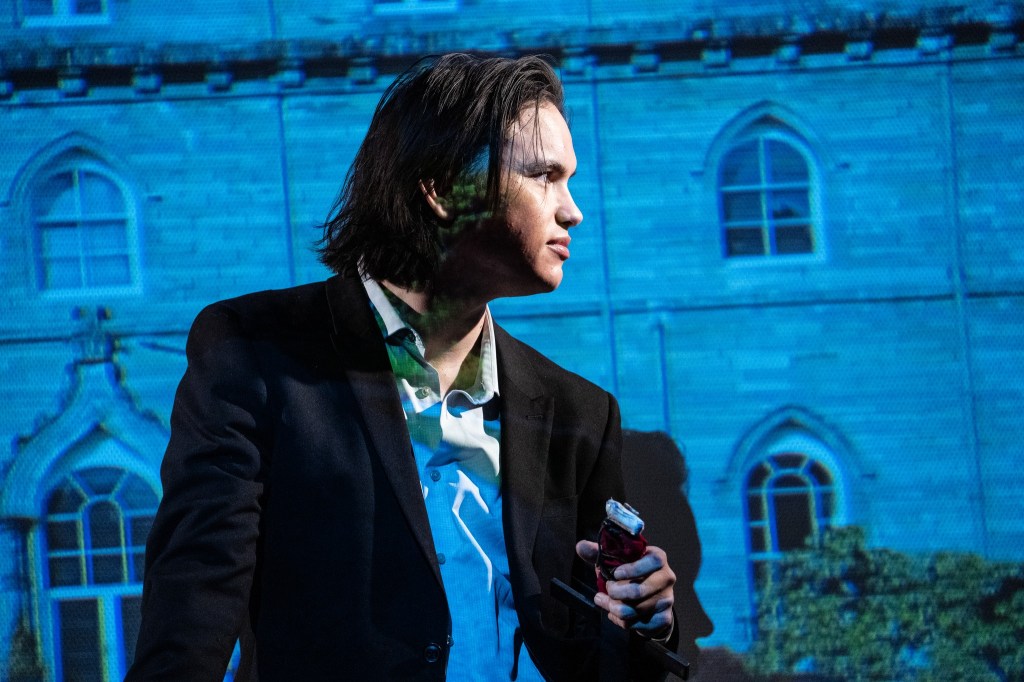
Henry V is the final piece in a tetralogy by Shakespeare that was basically the 16th century stage version of the Marvel Cinematic Universe. It was preceded by Richard II, Henry IV, Part 1, and Henry IV, Part 2. Henry V would have been a familiar character to theatre fanatics of the Renaissance, having appeared in Henry IV Parts 1 and 2 in youthful form as the wayward, tavern-loving Prince Hal.
This “sequel” depicts Hal/Henry (also known as “Harry”) rising to the throne with a new maturity. At the English court Henry is convinced after a discussion about land laws with the Archbishop of Canterbury (David Allard) that he has a claim to the Throne of France. Thus, he prepares to do battle with the French near Agincourt. His regiment is comparatively small, but the king is armed with a of heart and spirit that he is determined to share with his soldiers.
Shakespeare veteran Hardy is perfect in the title role; his commanding voice, powerful stage presence and impressive physicality adding an extra electricity to the Bard’s 1599(ish) play. He brings great poignancy to a sequence where Henry disguises himself to walk among his soldiers, in order to get to know them and bring them hope and encouragement.
One of the most popular of Shakespeare’s historicals, Henry V is engaging and witty throughout, with many humorous interludes and an incredibly quotable text. The actors handle the complex languages, lengthy soliloquies, and Bill’s famous wordplay with astonishing skill and a clear love for the source material; they also excel at the tricky, operatic fight sequences, which are expertly choreographed for this production. The English soldiers are in tan T-Shirts, the French in blue; and the overall dress is contemporary. Even with the large cast many of the actors play multiple roles, switching demeanors and characterizations with deftness.
Dustin Pazar is engaging as The Chorus (“Narrator”) as well as The Duke of Exeter, Noy Marom is Princess Catherine of France; in one of the play’s most amusing scenes she asks her maid Alice (Annie Unger) for a lesson in how to say a selection of English words, with Alice responding with rather suspect pronunciation. Marom also plays the conspiratorial Sir Thomas Grey, and Unger doubles as “the Boy,” page to comedic trio Pistol (Joe Patrick Marshall), Nym (Kieran Wylie), and Bardolph (Paul Maurizio). (These four characters also appear in multiple Shakespeare works.) The prolific Jane Culley (over 50 off and off-Broadway credits) is the Queen of France and also Pistol’s wife, Mistress Quickly. Producer Power appears as Henry’s counterpart on the chessboard, the King of France. Adam Lyons is very amusing as the French Herald, who periodically appears on the balcony to taunt the English warriors.
Dukes and Earls of course abound. Christian Miranda appears as both the Duke of Orleans and the Earl of Salisbury; Reese Villiger is the loyal Earl of Westmoreland;
For audiences unfamiliar, I’d equate the relationships among the characters to the conflicts, and camaraderie in another more recent hero’s journey, The Lord of The Rings franchise (subtracting magic rings and dragons, but adding the tennis balls that the Dauphin of France sends to his rival Henry as a gag gift). Cruz is an entertaining presence as the aggressive, always screaming Dauphin.
Directed with panache by ATA founder and artistic director James Jennings, Henry V makes great use of the multi-leveled, atmospheric John Cullum Theatre. Moving video backdrops portraying castles, battlefields and graveyards add a nice sense of place and time. As usual for this highly regarded entry into Shakespeare’s canon, this edition Henry V earns it’s 3-hour runtime, captivating throughout on its way to a rousing denouement.
Henry V runs at the ATA through April 19, 2025.

SHELLEN LUBIN to helm CAROL LEE CAMPBELL’s musical play, “Chicks In Heaven”
Director/Writer/Performer and Coach, SHELLEN LUBIN to direct Carol Lee Campbell’s new play with music, “Chicks In Heaven” CAROL LEE CAMPBELL’s musical play about family and faith will have an industry presentation, in May at Open Jar Studios, 1601 Broadway, New York City.
A fractured coven of four women discovers that their strength lies not in their spells but in each other.
Contact info@jaymichaelsarts.com for further info
Chicks In Heaven enjoyed a wildly popular production at the Creative Cauldron in Virginia last year emboldening the decision to come to New York.
CHICKS IN HEAVEN takes us on a transformative journey, centered around a 30-year reunion in southwestern Virginia of friends who once shared a sacred bond fueled by feminist ideals. In their youth, these women experimented with magic as a means to challenge societal norms and fight against the oppressive forces of the patriarchy. Can the same magical activism that forged their early sisterhood bring them together now at a time when the fight is needed most?
Chicks In Heaven Book and Lyrics by CAROL LEE CAMPBELL
Shellen Lubin graduated from and then taught at Bennington College with a triple major in Drama, Music and Dance. During her time there, she appeared in Miloš Forman‘s first film in America, ‘Taking Off’ which featured two songs she wrote (“It’s Sunday” and “Feeling Sort Of Nice.”)
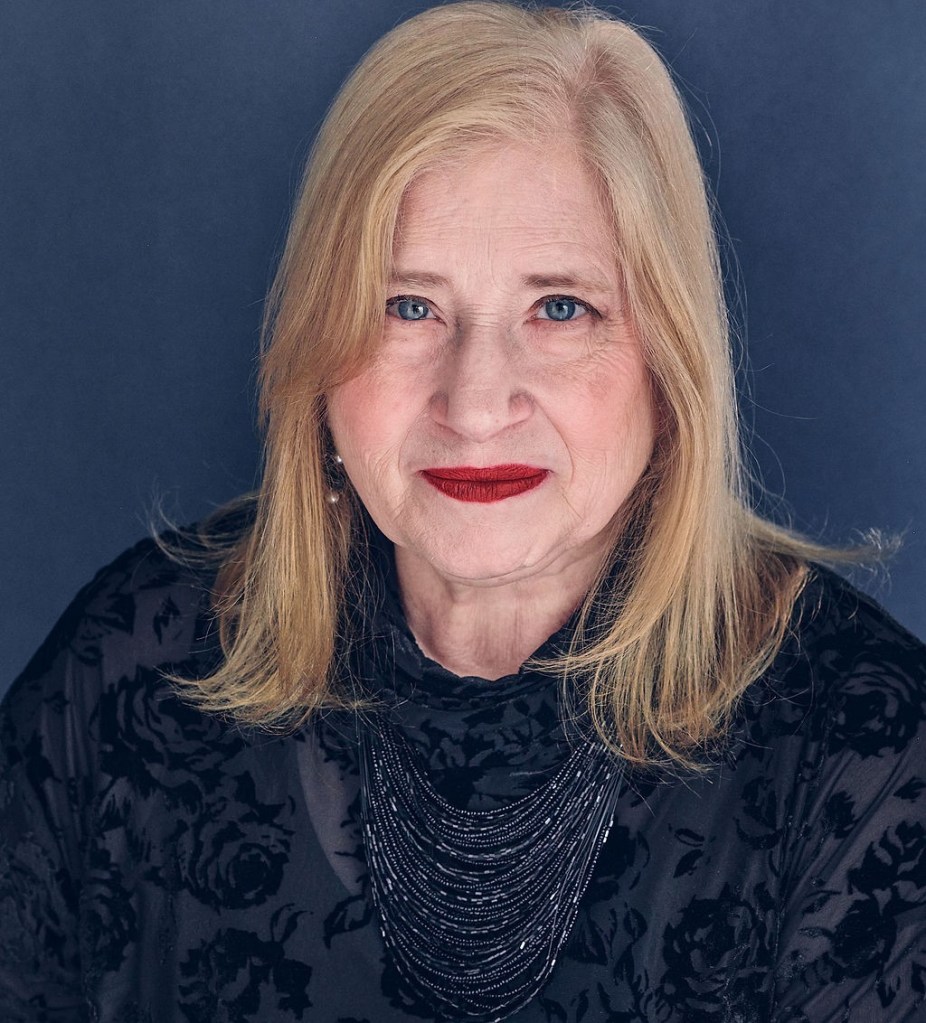
In her many years in the New York theatre and cabaret scene, she has directed work by Susan Merson, Pamela Weiler Grayson, Elliot Meyers, and ten Bistro Awards shows. Her plays and songs have been performed at the Public Theatre, Manhattan Class Company, Here Arts Center, Henry Street Settlement, 92nd Street Y, and more. She is in the Playwright Directors Workshop and the Directors Unit at The Actors Studio, where she has developed and presented work by numerous playwrights, including Lanie Robertson, Stuart Warmflash, and Anel Carmona.
Her professional theater directing career continues with Chicks in Heaven — in tandem with a successful voice teaching and coaching practice.
Carol Lee Campbell is an award-winning writer, musician and professor.
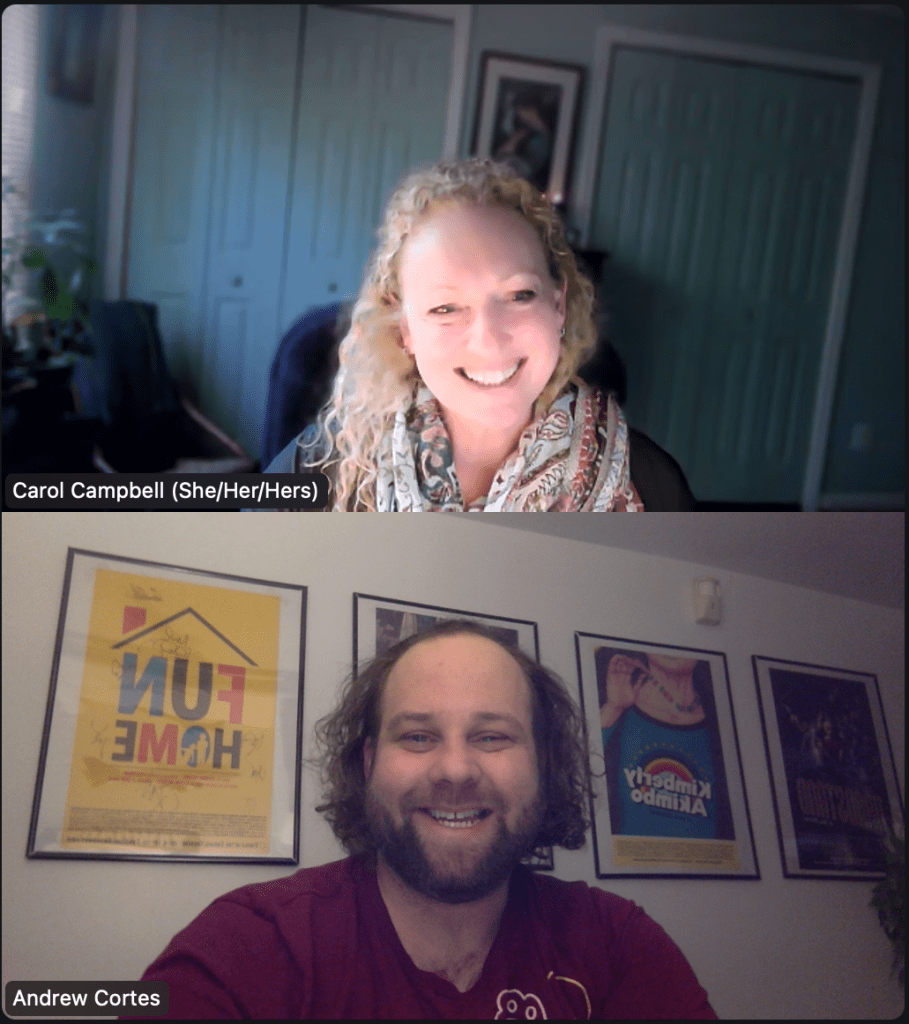
Here is Carol chatting with Andrew Cortes, the host of STAGE WHISPER PODCAST
She is the creator of Crone Stones, a widely popular divination oracle that includes thirty-three porcelain stones and an accompanying book, Return to Wellness: The New Book of Crone Stones. Chicks In Heaven, her first play with music, premiered in April 2024 at The Creative Cauldron in Virginia. A book launch of her newest fiction, Rebel Rose debuted in May 2024 by Rebel Satori Press. Carol teaches Women and Gender Studies and Greek Mythology at several Virginia community colleges and travels regionally as a performance artist and a lecturer.
Latest Posts
-
Jim Catapano reviews Anne L. Thompson-Scretching’s Home Is Sweet Sorrow: “A Masterful Conclusion to a Momentous Family Saga”
The War That Never Ends Home Is Sweet Sorrow is a must-see and a devastatingly powerful third chapter in the Blood trilogy, which also includes…
-

THE BARD TAKES BROADWAY: SIXTH ANNUAL NEW YORK SHAKESPEARE AWARDS CELEBRATES RECORD-BREAKING 2025 SEASON
THE BARD TAKES BROADWAY: SIXTH ANNUAL NEW YORK SHAKESPEARE AWARDS CELEBRATES RECORD-BREAKING 2025 SEASON The New York Shakespeare Awards has officially unveiled its list of…
-

American Theatre of Actors Announces 50th Anniversary Gala; Playwright LYLE KESSLER and TONY-winning actor, LEN CARIOU to Receive Lifetime Achievement Honors.
NEW YORK, NY — The American Theatre of Actors (ATA), a cornerstone of the New York theatrical landscape since 1976, is proud to announce ATA 50, a…
-

Music Among the Tumbleweeds: Jim Catapano reviews James Jennings’ New Dancing in the Meadow.
James Jennings’ New Dancing in the Meadow Brings Feel Good Vibes to the ATA James Jennings, legendary Founder of the American Theatre of Actors, brings…
 Arts Independent