
Home » Posts tagged 'movies'
Tag Archives: movies

THE BARD TAKES BROADWAY: SIXTH ANNUAL NEW YORK SHAKESPEARE AWARDS CELEBRATES RECORD-BREAKING 2025 SEASON
THE BARD TAKES BROADWAY: SIXTH ANNUAL NEW YORK SHAKESPEARE AWARDS CELEBRATES RECORD-BREAKING 2025 SEASON
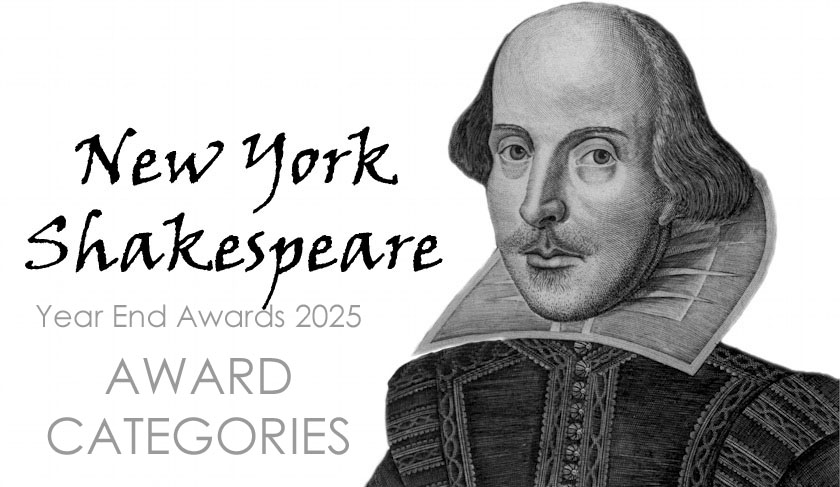
The New York Shakespeare Awards has officially unveiled its list of winners for 2025, marking the sixth year of celebrating the most impactful contributions to the Bard’s legacy. The 2025 season represents a cultural “High Renaissance” for Shakespeare in Manhattan, defined by unprecedented commercial dominance on Broadway and a flourishing independent scene.
A BROADWAY JUGGERNAUT: SHAKESPEARE ON STAGE
The year 2025 will be remembered for the moment Shakespeare became Broadway’s most profitable leading man. The Shakespeare on Stage Award has been granted to the historic production of Othello, a production that redefined the financial and cultural ceiling of classical theater.
- The Power of the Production: Starring Denzel Washington and Jake Gyllenhaal, Othello became an absolute financial juggernaut. It shattered every standing box office record for a play in Broadway history, reaching a staggering $3.2 million single-week gross.
- A Masterclass in Producing: The production’s success was anchored by multi-time award-winning Broadway powerhouse Jim Kierstead. Kierstead has become the architect of modern Shakespearean commercial success, having also steered the 2024 hit Romeo + Juliet to similar acclaim. By bridging the gap between classical text and high-octane modern celebrity, Kierstead’s “industry-savvy” approach ensured Othello recouped its $9 million capitalization in a record nine weeks.
Complementing this Broadway surge was the Shakespeare in the Park production of Twelfth Night.
- Following the multi-million dollar renovation of the Delacorte Theater, the ensemble—featuring Lupita Nyong’o, Peter Dinklage, and Sandra Oh—was recognized as the year’s premier performing group, marking a triumphant return for the Public Theater.
LIFETIME ACHIEVEMENT: JAY MICHAELS
The 2025 Lifetime Achievement Award was presented to Jay Michaels, founder of Jay Michaels Global Communications (JMGC). Michaels is often referred to as the connective tissue for countless artists across the tri-state area.
- A Legacy of Influence: From his lwork in the 1990s with Genesis Rep to his recent launch of Channel Indie on ROKU and Independent Artists Movement TV, Michaels has spent decades championing independent theater and film.
- The Future of the Indie Scene: Michaels is on the teams of numerous theatre festivals happening this year. The 2026 revival of the Midtown International Theatre Festival; the inauguration of the Manifestival; the Mainstage of the Fresh Fruit Festival; the Below the Line Film Festival; and RiffRaffNYC’s New Works Festival, as well as his ongoing association with the landmark American Theatre of Actors, his tireless promotion of boutique artists have made him an indispensable titan of the industry.
- The Shakespeare Question: A leading proponent of the famed “Authorship Question,” Michaels has fostered discussions on stage and television examining the works of William Shakespeare from all angles.
2025 AWARD CATEGORIES AND WINNERS
Lifetime Achievement: Jay Michaels (JMGC)
Shakespeare On Stage: Othello (Produced by Jim Kierstead)
Shakespeare Performers: The Ensemble of Twelfth Night (The Public Theater)
Shakespeare on Film: Hamnet (Dir. Chloe Zhao; starring Jessie Buckley)
Scenic Design: Richard II (Arnulfo Maldonado / Red Bull Theater)
Shakespeare Adaptations: Nine Moons (Keith Hamilton Cobb / Blessed Unrest)
Shakespeare Music: “The Fate of Ophelia” (Taylor Swift)
Shakespeare Books: Kill Shakespeare: Romeo vs. Juliet (Anthony Del Col)
Solo Show: Conquering the Canon (Michael Hagins)
Videography: The Comedy of Errors (Shakespeare Sports Theatre)
ABOUT THE NEW YORK SHAKESPEARE AWARDS
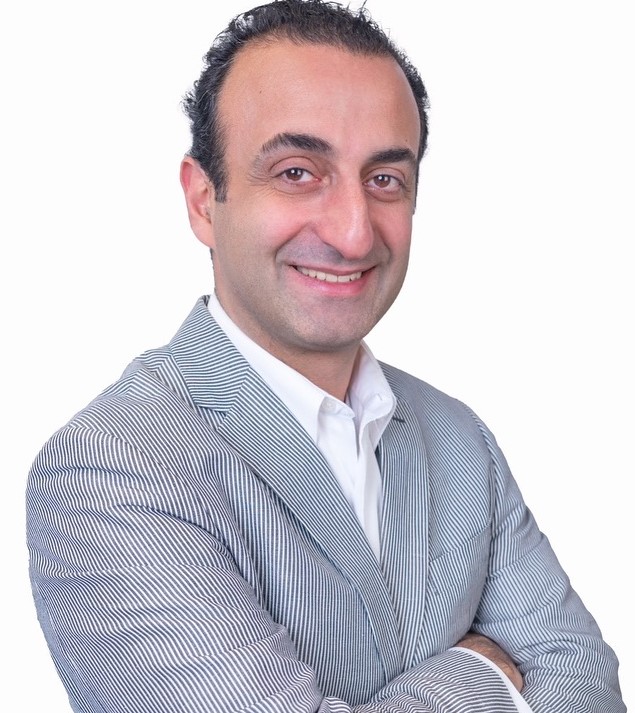
Founded in 2020 by Shakespeare scholar Rodney Hakim, the New York Shakespeare Awards recognize excellence in the performance, study, and adaptation of William Shakespeare’s works within the New York metropolitan area. By honoring both legendary Broadway figures and emerging independent artists, the awards provide a comprehensive “Year in Review” of the city’s vibrant theatrical landscape. The awards are sponsored by one of the leading programs dedicated to the Bard, New York Shakespeare. Visit them on https://www.instagram.com/newyorkshakespeare/

American Theatre of Actors Announces 50th Anniversary Gala; Playwright LYLE KESSLER and TONY-winning actor, LEN CARIOU to Receive Lifetime Achievement Honors.
NEW YORK, NY — The American Theatre of Actors (ATA), a cornerstone of the New York theatrical landscape since 1976, is proud to announce ATA 50, a golden anniversary celebration and awards ceremony. The black-tie evening will honor five decades of artistic excellence and community impact, headlined by the presentation of the Lifetime Achievement Award to legendary playwright and director Lyle Kessler and TONY-winning actor, Len Cariou..

The gala will take place at the lavish Penn Club at 30 West 44th Street in New York City, beginning with a VIP Admission at 6:30 PM, followed by a formal dinner and the awards presentation at 7:30 PM.
The ceremony will also feature the Hell’s Kitchen Awards, acknowledging the gritty, vibrant excellence of the local artistic community that has called the ATA home for fifty years.
DETAILS:
Event Date: Tuesday April 7th
Tix levels: ($35 OFF through MARCH 15)
6:30pm VIP $325 ~ includes photoshoot and open bar hour + Dinner & Award
7:30pm General $290 ~ Dinner & Awards, only.
Address:
The Penn Club
30 W. 44th St.
Honoring Legends:
Lyle Kessler
Recognized for his monumental contributions to American letters and stage, Mr. Kessler is best known for his masterwork Orphans—which received two Tony nominations for its Broadway revival and has starred luminaries such as Al Pacino, Alec Baldwin, and Jesse Eisenberg—Kessler’s career spans the Actors Studio, the Sundance Screenwriter’s Lab, and prestigious foundations like Rockefeller and NYSCA.Kessler other works include The Watering Place (premiered on Broadway and starred Shirley Knight and William Devane); Perp, premiering at The Barrow Group in March 2019, directed by Lee Brock; House on Fire (2018) which premiered at Palm Beach Dramaworks, directed by Bill Hayes; and Robbers (1987) which has been performed at the Long Wharf Theatre in New Haven, Connecticut starring Judd Hirsch. Kessler’s play Orphans has been made into a film of the same name. Directed by Alan J. Pakula, the film version of Orphans starred Matthew Modine and Albert Finney. Beyond his creative output, the award celebrates his humanitarian work with The Imagination Workshop, the world’s longest-running arts and mental health program serving veterans with PTSD.
Len Cariou
Len is an internationally recognized, Tony Award-winning, Emmy-nominated actor whose career spans sixty-five years on regional stages, Broadway, off-Broadway, film and television. A member of the Theatre Hall of Fame, he is known best for his legendary performance as the title character in Sweeney Todd: The Demon Barber of Fleet Street. In 2024 he was honored with the John Willis Award for Lifetime Achievement in the Theatre by the Theatre World Awards. Cariou remains highly regarded for his extensive classical repertoire, including King Lear which he assayed twice. His one-man show Broadway and the Bard re-visited some of the best dramatic and musical elements of his robust career. Len became a beloved figure as Reagan over 14 seasons on CBS Blue Bloods. Last year, he distinguished himself once again off-Broadway in the role of Morrie Shwartz in the award-winning Seadog Theatre production of Tuesdays With Morrie, and in the role of Kozlowski in ATA’s acclaimed production of Zagłada. Look for him in the new year on MGM+ as Linus Bean in the new series American Classic, in which he co-stars with Kevin Kline, Jon Tenney and Laura Linney. Len is a Mets fan, an inveterate gin rummy player, and loves the game of golf. He is an adored and adoring father, husband and grandfather, a member of the Order of Manitoba, and an Officer of the Order of Canada.
The Jean Dalrymple Award — In a tradition established in 1985, Founder and Artistic Director James Jennings, alongside Vice President Jane Culley and Executive Director Jessica Jennings, will present the Jean Dalrymple Awards. Named for the “First Lady of City Center” and a founding member of the American Theatre Wing, the Dalrymple Awards honor exceptional talent at the Off-Off and Off-Broadway levels. Jean Dalrymple, who mentored James Jennings for over a decade, was a visionary producer who worked with icons ranging from Cary Grant (whom she famously discovered) to Orson Welles and Uta Hagen. Previous recipients of this flagship honor include Ginger Rogers, Patricia Neal, and Danny Aiello.
The ceremony inaugurates the Hell’s Kitchen Awards, acknowledging the gritty, vibrant excellence of the local artistic community that has called the ATA home for fifty years.
The American Theatre of Actors was founded in 1976 by James Jennings, who continues as its President and Artistic Director. It is a repertory theatre company whose purpose is to promote the development of new playwrights, directors, and actors and provide them a creative atmosphere in which to work without the pressures of commercial theatre.
Over 2000 new works have been presented and more than 12,000 actors have worked at A.T.A., including Dennis Quaid, Bruce Willis, Danny Aiello, Dan Lauria, Chazz Palminteri, Kevin O’Connor, William Fichtner, Edie Falco and Kathryn Hahn.
President: James Jennings
Vice President: Jane Culley
Exec Director: Jessica Jennings
Secretary: Joseph Krawczyk Treasurer: Jacqueline Pace
Board of Directors: Gil Ancowitz, Ted Baehr, Courtney Everette, Joseph Krawczyk, Suzanne McGrath, Terrence Fergus, McMillan Johnson
Honorary Board: Robert De Niro, Barbara Bel Geddes, James McManus, Peter Masterson, Vincent Sardi, Paul Sorvino, Joseph Stein, Madeline Thornton Sherwood, Andrew Stein


New Theatrical Production Company, Diamond Mesh Inc., Announces “The Manifestival:” A New Frontier for NYC Independent Theater
In a world increasingly defined by digital isolation and existential questioning, a new theatrical force is rising to reclaim the stage. Diamond Mesh Inc.Theatrical Productions, led by producers Matt Bader and Faith Pasch, is proud to announce the inaugural Manifestival, a new works festival running from July 16th to August 9th in New York City.

The Search for Connection
Diamond Mesh is more than a production company; it is a response to the modern human condition. Launching with a provocative philosophical inquiry, the company’s mission centers on the “why” behind our collective loneliness.
“You did not stumble upon these questions. You found them. Just like you found this,” says the company’s statement. “We are Diamond Mesh. We have been looking for you too.”
The Manifestival: A Call for Submissions
The Manifestival is currently seeking digital submissions of new, 60–75 minute plays designed for intimate, character-driven production. Designed to strip theater down to its rawest, most impactful form, the festival emphasizes storytelling over spectacle.
Submission Guidelines & Opportunities:
- The Format: Scripts must feature a cast of five actors or fewer.
- The Aesthetic: Adaptable to minimal design (sparse set: one table, two chairs).
- The Series:
–The Signature Series: a Group of productions having a limited three performances during the festival.
–One Night Only Series: A high-impact, single-evening performance.
The MODEL: In a rare move for the NYC festival circuit, selected productions keep 100% of their ticket sales, providing a sustainable platform for playwrights & creators. Playwrights are encouraged to submit their work via the Official Manifestival Submission Form. Slots are assigned on a first-come, first-served basis.
Meet the Founding Executive Producers:
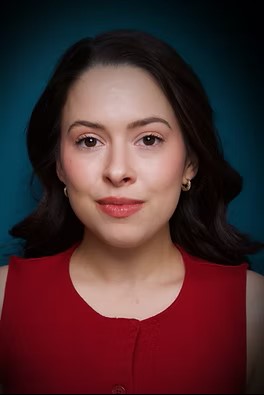
Faith Pasch — A New York City-based powerhouse, Pasch is an actress, singer, and producer with credits ranging from the I Was a Teenage She-Devil UK Premier to the Disney Cruise Line. A champion for marginalized voices, Pasch recently founded Faith Pasch Productions and co-founded Fate Productions, a company dedicated to highlighting female and non-binary voices in the cabaret circuit.
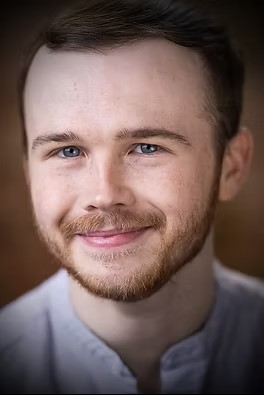
Matt Bader — A versatile actor, writer, and producer hailing from Milford, CT, Bader brings a wealth of international experience to Diamond Mesh. His past producing credits include The Silly William Gambit at the Edinburgh Fringe Festival. As a performer, he is known for his work in The Mystery of Edwin Drood (Connecticut Repertory Theater), the series The Startup, and his ongoing work with The Dinner Detective.
Join the Movement
- Website: diamondmeshinc.com
- Instagram: @diamondmeshinc
- Email: Mattbader@diamondmeshinc.com | Faithpasch@diamondmeshinc.com

The Bard in the Boroughs: Rodney Hakim and the Digital Renaissance of “New York Shakespeare”
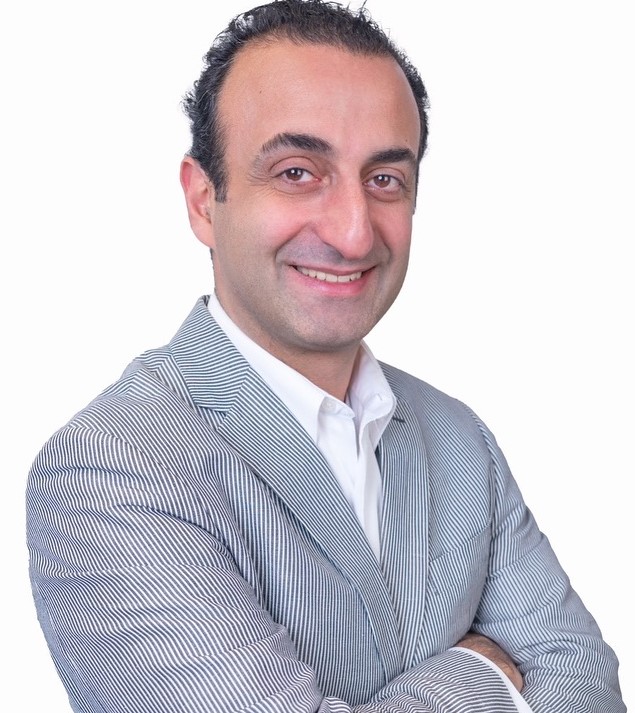
In a city where the theater is often synonymous with the bright lights of Broadway, Rodney Hakim is carving out a vital, digital niche for the classics. As the owner, writer, and host of New York Shakespeare, Hakim has transformed his lifelong expertise into a premier multimedia platform. Through his popular IGTV series and a sprawling social media presence, he has created a central nervous system for the Shakespearean community in the New York metro area and beyond.
A Renaissance Man for the Modern Era
Rodney Hakim is not just a commentator; he is a veteran of the very boards he discusses. His background is a tapestry of performance and production, spanning:
- Acting & Comedy: A freelance actor and stand-up comic, Hakim’s experience ranges from stage plays and musicals to independent films, voice-overs, and TV industrials.
- Directing & Producing: His creative vision has graced venues like the Queens Theater in the Park and various Off-Off-Broadway stages. Notably, he founded and directed a monthly Shakespeare reading group in partnership with Barnes & Noble, bringing the Bard to the public in accessible, communal spaces.
- Education & Writing: As an acting coach and freelance writer for theater review sites, Hakim bridges the gap between the “how-to” of performance and the critical analysis of the art form. He is currently developing new concepts for screenplays and books.
“New York Shakespeare” on IGTV: The Digital Front Row
At the heart of Hakim’s work is the New York Shakespeare brand. Designed to be a “central resource for all things Shakespeare in New York,” the program serves as a bridge between the stage and the audience, documenting current productions and providing deep-dive intellectual access.
Upcoming Special Event: “Speak the Speech” Winners
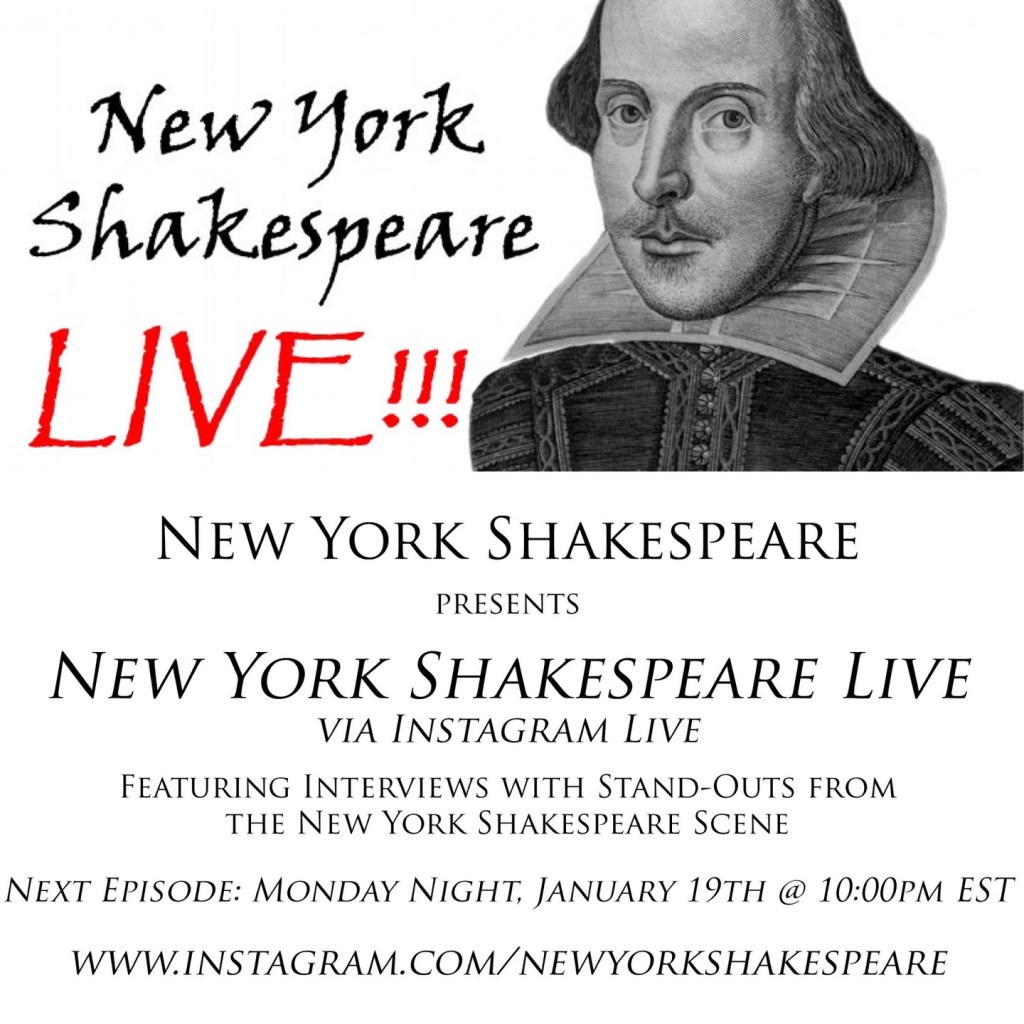
Highlighting the program’s commitment to excellence in classical performance, Hakim’s next episode features a powerhouse lineup. The broadcast will showcase the winning Shakespeareans of Channel Indie’s inaugural “SPEAK THE SPEECH” competition.
This exclusive session brings together a unique blend of rising stars and established masters, including:
- Joe Staton
- Sean Gregory Tansey
- Sam Hardy
- Michael Hagins (Classical theater luminary)
This episode promises an insightful look into the mechanics of Shakespearean delivery and the future of classical performance in the digital age.
A Global Community with Local Roots
While the focus is firmly on the “happenings taking place in and around New York City,” the reach of New York Shakespeare is global. By leveraging Instagram, Facebook, YouTube, LinkedIn, and WordPress, Hakim has built a digital archive of the city’s classical heartbeat.
Perhaps most impressively, these resources—including live interviews and online discussion groups—are offered free of charge. This mission of accessibility ensures that “supporting your local Shakespeare” is an invitation open to everyone, regardless of their proximity to a physical theater.
Connect with New York Shakespeare
Whether you are a seasoned actor looking for coaching, a scholar seeking fresh discussion, or a fan wanting to know what’s playing in the park this weekend, Rodney Hakim’s platform is the definitive guide.
- Website: www.nyshakespeare.com
- Email: info@nyshakespeare.com
- Watch: Follow @NewYorkShakespeare on Instagram to catch the latest IGTV broadcasts and live interviews.

The MITF is back and ATA has got them!
The Midtown International Theatre Festival Returns to New York After Decade-Long Hiatus and the Landmark American Theatre of Actors will host the event.
AN HISTORIC EVENT AT AN HISTORIC LOCATION

The Midtown International Theatre Festival (MITF), a respected and influential platform for independent theatre, is set to make its triumphant return to New York City after an absence of nearly a decade. Founder and Executive Producer John Chatterton, a pivotal figure in the Off-Off-Broadway movement, is partnering with Jay Michaels, one of indie theatre’s most visible personalities, to bring the groundbreaking theatrical event back in June/July of 2026.
The new festival will encompass the entire ATA complex of three theatres starting June 15 through July 26, 2026
MITF is accepting applications for productions to be included in the festival until December 31, 2025. Please contact Jay Michaels at info@jaymichaelsarts.com for further details and an application form.
An Ambitious Return at a Historic Venue
The revived festival will be hosted by the prestigious American Theatre of Actors (ATA), marking an auspicious collaboration as the ATA celebrates its 50th anniversary.
“We’re thrilled this event could happen at our theatre—and especially during our 50th anniversary,” says Jessica Jennings, Executive Director of the American Theatre of Actors. The ATA was founded in 1976 by her father, James Jennings, who remains its President and Artistic Director.
The new incarnation of the MITF is planned to be the largest independent theatre festival in history. Already, more than two dozen projects and events have signed on, with plans underway to expand offerings to include:
- A dedicated Cabaret Section.
- A comprehensive One-Act Series.
- A full-fledged Film Festival.
A Legacy of Innovation
Founded in 2000 by John Chatterton, the original MITF was established following the suggestion for a “Midtown Fringe” to complement the downtown scene. It ran for 18 successful seasons before its hiatus in 2018.
The festival quickly became a highly visible and respected launchpad for independent theatre artists. Notably, the MITF pioneered a festival model of theater rental and shared box office revenue that continues to influence theatre festivals worldwide today.
About the American Theatre of Actors (ATA)
The American Theatre of Actors, founded in 1976, is a vibrant repertory theatre company dedicated to fostering new talent. It consists of 50 actors, 15 playwrights, and 8 directors, providing a creative atmosphere for artists to develop their work without the pressures of commercial theatre.
ATA focuses on presenting new dramas and comedies dealing with the social and ethical problems of contemporary society. Over its history, ATA has:
- Presented over 1,000 new works.
- Employed over 11,000 actors, including notable alumni such as Dennis Quaid, Bruce Willis, Danny Aiello, Dan Lauria, Chazz Palminteri, Kevin O’Connor, William Fichtner, Edie Falco, and Kathryn Hahn.
The return of the MITF, in partnership with the ATA, promises to inject a significant burst of energy and opportunity into the New York independent theatre landscape.
Contact: Jay Michaels Global Communications 646-338-5472 // info@jaymichaelsarts.com

Marlin Thomas’s REPARATIONS Set for Limited New York Run After International Win
Acclaimed Playwright Confronts the “Impossible Moral Debt” of American History at Teatro LATEA
Anya Kai, reporting
New York native and celebrated playwright Marlin Thomas is set to present a limited run of his latest, award-winning work, REPARATIONS, at Teatro LATEA (107 Suffolk St., New York, NY 10002). The production, which recently earned the top honor at the International Theater Script Competition 2024, promises an unflinching and sophisticated exploration of the debt owed for American chattel slavery and its lingering consequences.
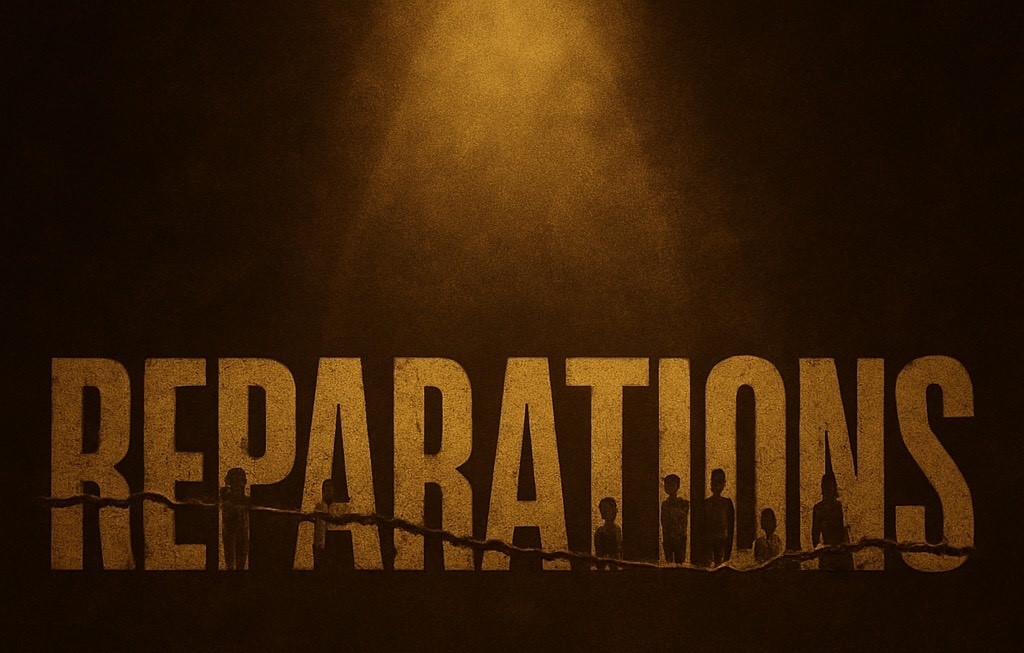
A Confrontation at the Door
REPARATIONS centers on William McCrory, a wealthy white man whose comfortable life is shattered by an unexpected visitor—a Black man who shares both his name and his birthday. This mysterious stranger arrives carrying documents that connect the two men through a painful history rooted in slavery.
As the stranger’s intentions unfold, the play dramatically excavates painful histories, both public and private. It forces the protagonist—and the audience—to grapple with an impossible moral debt. The work has been lauded by the competition jury for its commitment to thoughtful discourse on a polarizing subject, balancing challenging political ideas with compelling, character-driven drama.
The production asks, but deliberately leaves unanswered, a host of urgent and contentious questions that resonate deeply in contemporary society, including:
- What does the present owe the past?
- Can historical injuries ever truly be repaired?
- What individual responsibility exists for distant sins?
- Should individuals be held accountable for the actions of their social and racial group?
Playwright’s Journey: From Skepticism to Drama
Marlin Thomas, an academic and writer whose background spans the humanities and the sciences (including literature, philosophy, and computer science), wrote REPARATIONS to satisfy his own curiosity about the issue.
“I was viscerally opposed to reparations,” Thomas explains, “so I was curious to find out how someone could be in favor of them.”
His research led him to gradually shift his perspective, realizing that the arguments presented on both sides of the issue had “as many flaws as merits.” Thomas sought to dramatize this intellectual and emotional movement, expressing his belief that “reasonable people can disagree about an issue as emotional and personal as that of reparations.”
When asked about his message, Thomas states, “History is on nobody’s side. No argument stands without engaging with its counter argument.” The timing of the play’s production, he notes, is not a direct response to current government action, but rather a function of his “slow writing pace and the length of time it took to gain recognition.”
The most significant obstacle in producing the show, according to Thomas, was finding a director who could “acknowledge the complexity of the characters” and approach the script with an open mind. He found this collaborator in DeMone Seraphin, who “broadly appreciates the humanity reflected in the characters.”
The Man Behind the Play
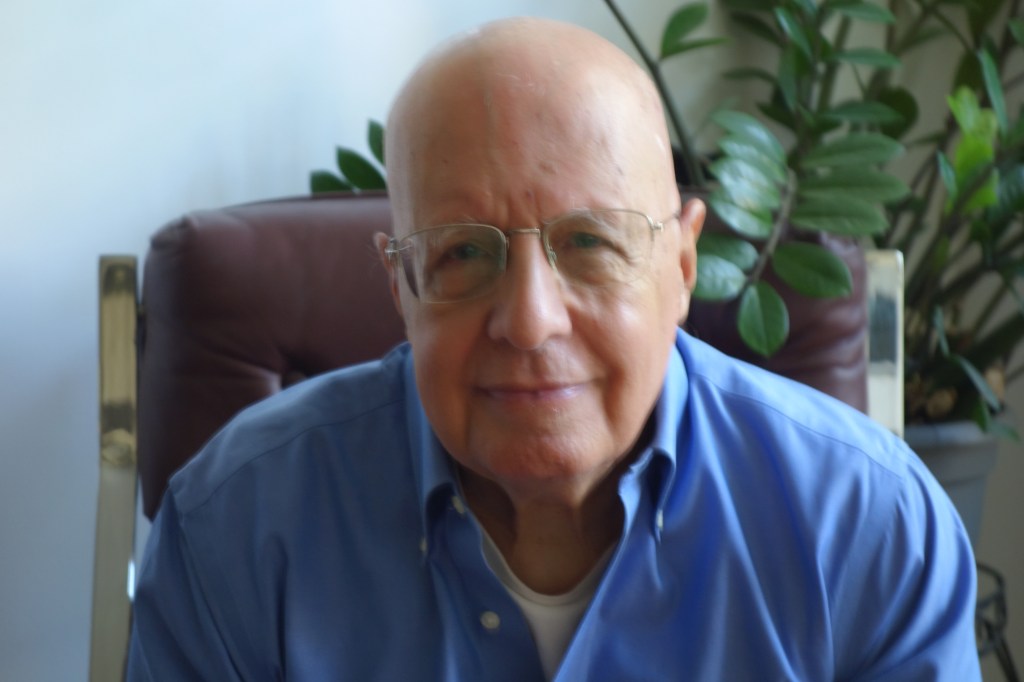
Born in the Bronx and raised in the Queensbridge Houses, Thomas was educated at Queens College (CUNY), Johns Hopkins University, and New York University. His academic work is extensive, with his piece on Alan Turing: The Enigma being named Computing Reviews’ best review of 2015.
As a creative writer, Thomas is also known for his full-length play FreudMahler (published in English and Italian) and The Middleman, a finalist for Best Play in the 2020 New York Theater Festival.
Regarding his unique perspective, Thomas introduces himself as: “An academic who has taught in departments of English and computer science. A writer who is political but non-partisan. An atheist trying to have enough faith to become an agnostic.”
Looking Ahead: The Humanity of Queensbridge
Following the run of REPARATIONS, Thomas will turn his focus to a deeply personal project: a new full-length play titled “Queensbridge.”
Queensbridge Houses, the country’s largest public-housing project, is often celebrated as the birthplace of rap but is also long associated with poverty and violence. Thomas intends to give the community a nuanced treatment, one that recognizes the “humanity and quiet heroism” of its residents. The play will dramatize the experiences of a decades-long resident who recounts his life, detailing the trauma endured by those he lived with, his own complicity in it, and his path toward partial redemption.
Performance Schedule
REPARATIONS will have a limited run at Teatro LATEA on the following dates:
- Thursday, November 20 at 9:00 PM
- Saturday, November 22 at 12:00 PM
- Sunday, November 23 at 8:30 PM
TICKETS for the limited engagement are available now.

Jim Catapano at Blood Orange: A Masterful Study of Hurt, Love, and Loss
Et Atalia Theater Presents Abigail Duclos’ Stunning Experimental New Play
How do adolescents survive when all the grown-ups have disappeared? Blood Orange is like a domestic Lord of The Flies, but the abandonment and isolation on display cuts much deeper. The teenagers here aren’t just separated from their parental figures; they have been utterly failed by them.
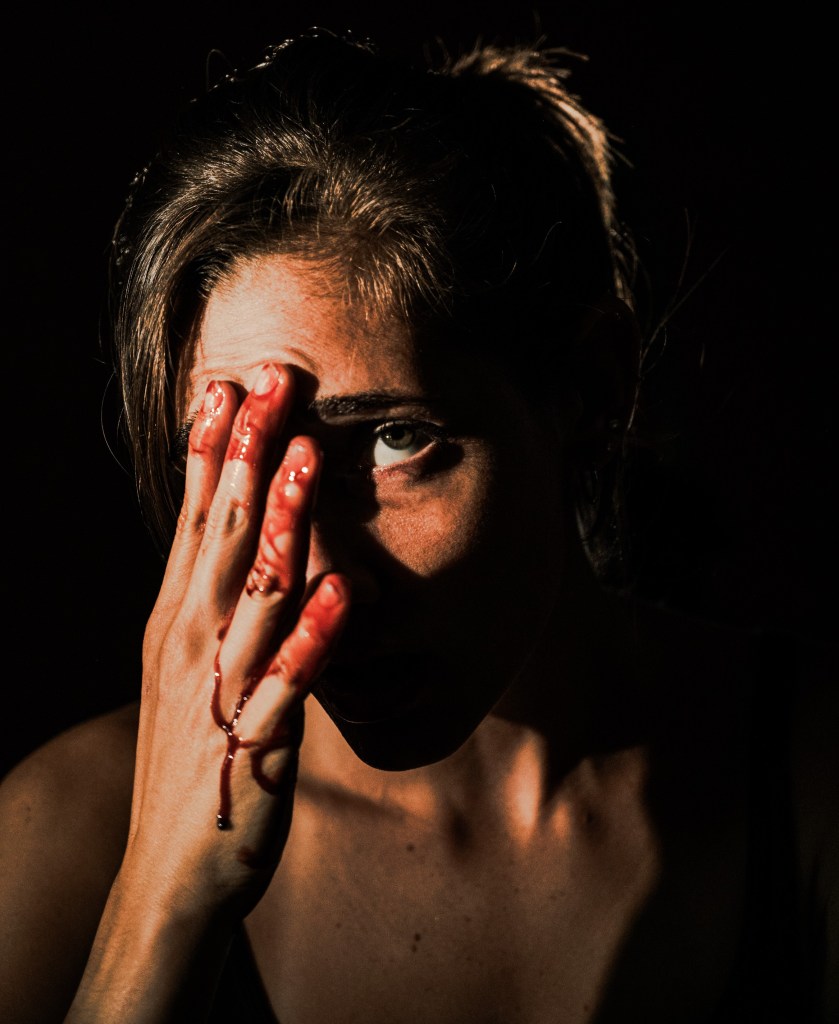
Maria Müller is astonishing as Faye, a North Carolina high schooler whose father died violently a few weeks before the story begins. Faye’s stepmother has retreated to her bedroom, devastated, and extremely physically and emotionally unwell. The suddenly alone Faye brings over her school friend Eden for company; the lonely outcast Eden is happy for the attention but disturbed by Faye’s manic dark humor, a symptom of the trauma she’s been through. Faye keeps begging the appalled Eden to physically assault her (perhaps deep down to “see if she can still feel,” as Nine Inch Nails suggested).
Eden’s unease fades as her attraction strengthens. The two begin to connect on a deeper level, but the situation is disturbed by the arrival of Faye’s friend Georgia, who is the polar opposite of Eden; loud, assertive and hyper-sexual, she strides in and dominates proceedings, flirting with Faye and gazing with disdain upon Eden.
Now without a father and essentially without a mother, Faye feels abandoned by God as well. She devises her own deity out of a dead animal she found on the road and placed in a paper bag in a refrigerator, below her stash of frozen dinners. The creature is so mangled they can’t even tell what kind of animal it was (they decide on probably bunny), but Faye and later Eden are entranced by its appearance and even its stench of decay. They suddenly find a tangerine in the bag with the animal and declare it to be a miracle. The grounded Georgia is of course disgusted and condemns the horrific turn of events; she is also clearly threatened by Faye and Eden’s growing bond, which is now being solidified by Eden’s joining Faye’s new religion. Georgia is a Regina George in “Mean Girls”-type but is realized in three dimensions by Giorgia Valenti. The sassy, cynical Georgia can’t hide her insecurity and jealousy; it’s clear that her insults towards Eden are coming from that place. (The cast rotates throughout the run; Müller alternates as Georgia when Luisa Galatti appears as Faye.)
Ana Moioli charms as the awkward, innocent, appropriately named Eden, searching for connection and for an escape from her abusive father. She shows Faye the beloved stuffed animal her father tried to destroy, which foreshadows a climactic moment with Georgia and the “deity” later in the play. Faye prays to her roadkill god to bring her father back; Eden prays for it to make her own father go away. The two become one over their despair, dancing (literally) around their attraction to each other as they chant and pray to their new savior. It is a striking sequence, enthralling and horrifying at the same time, and speaks to the heart of the matter: these are young women who have been abandoned, abused, and cast adrift, and desperately looking for hope, love, and something to believe in.
One of the play’s most surprising moments is the sudden appearance of Faye’s stepmother Mariah in the flesh. If you have not consulted the playbill beforehand it would be understandable to expect her to remain an unseen character, represented only by the sound of footsteps making floorboards creak. But Doreen Oliver arrives to pull at our heartstrings, the loving mother weakened by illness and grief, desperately trying to regain her strength and faculties to make a simple tomato soup dinner for her daughter. It is a glimmer of hope for Faye, but a brief one; Mariah heartbreakingly collapses back into her desperate state, suddenly unable to even recognize Faye. The tomato soup is spilled onto the floor, a puddle of dark red, again foreshadowing the darkness to come. When Georgia returns to put the situation to an end, events spiral to a horrific conclusion that is deeply unsettling—but also excellently staged and acted.
The production is brought to life with powerful direction by Vernice Miller, and meticulously choreographed by associate director Amelia Rose Estrada, with an exceptional scenic design by Ningning Yang. The sound design by Laura Perreira and lighting by Hayley Garcia Parnell contribute so much that they can almost be considered other characters in the play. The compelling group of actors, whose chemistry is electric, stay completely in character even through the many scene changes, keeping the audience immersed in the world of the play. Duclos and the actors have combined to bring us real people that we get to deeply feel for as we hang on their every word and action.
Blood Orange is an absolute triumph for Duclos and the cast, a masterful work that will stay with you long after the lights in Faye’s apartment go out.
The production of Blood Orange is supported by the Romanian Cultural Institute. It runs through Sept. 17, 2025.
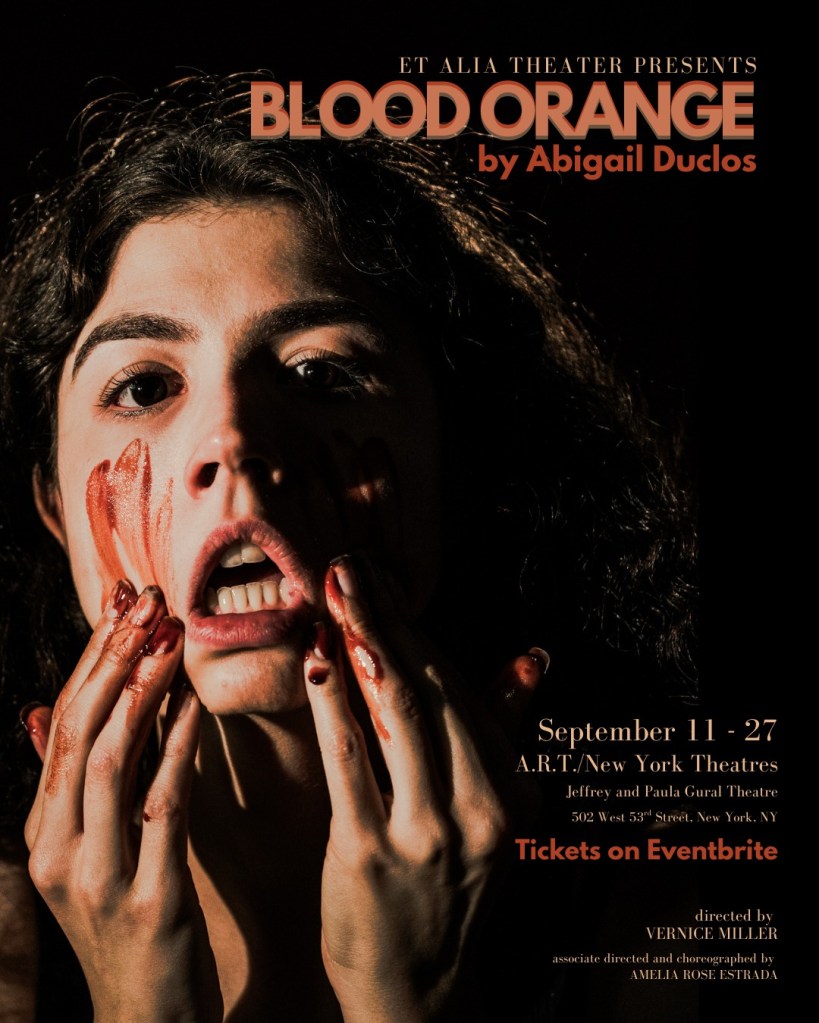

Et Alia Theater presents a limited engagement of Blood Orange, a horror play by Abigail Duclos
“One of the most intense plays you will see this season!”
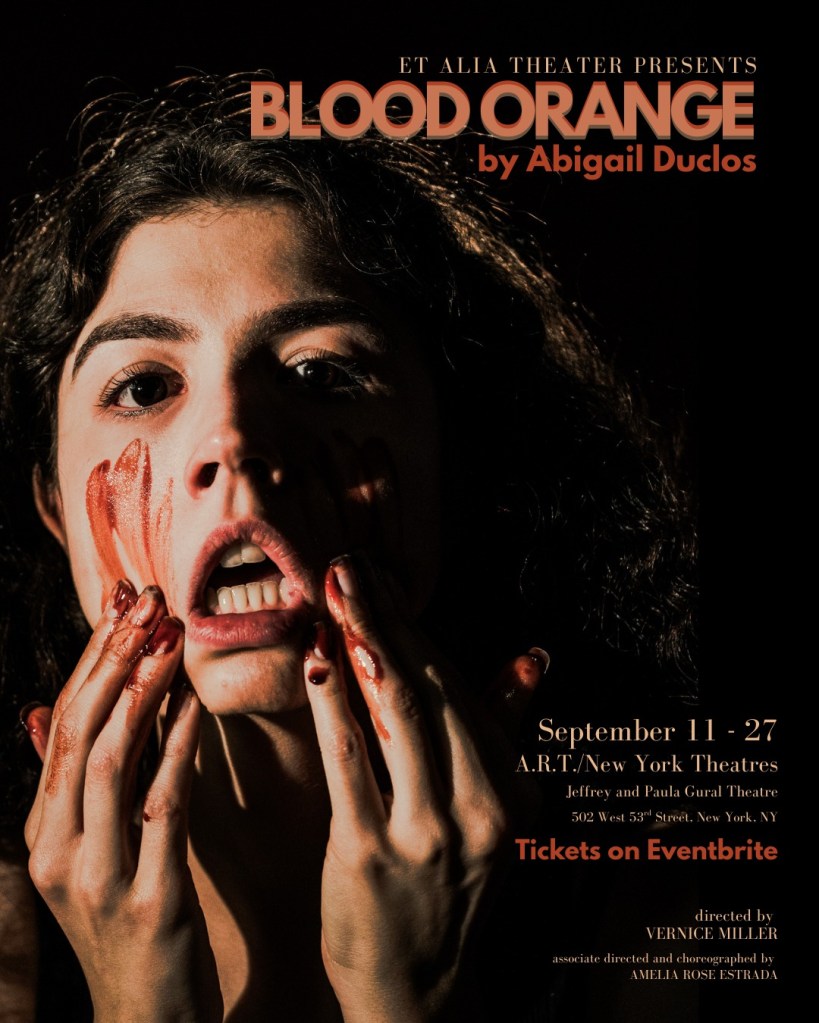
Et Alia Theater presents a limited engagement of Blood Orange, a horror play by Abigail Duclos, at The Jeffrey & Paula Gural Theatre of A.R.T./New York, 502 West 53rd Street, New York City, ADA accessible. Previews begin: 11 September (Invitation Only); Opening: 13 September; Closing: 27 September TICKETS
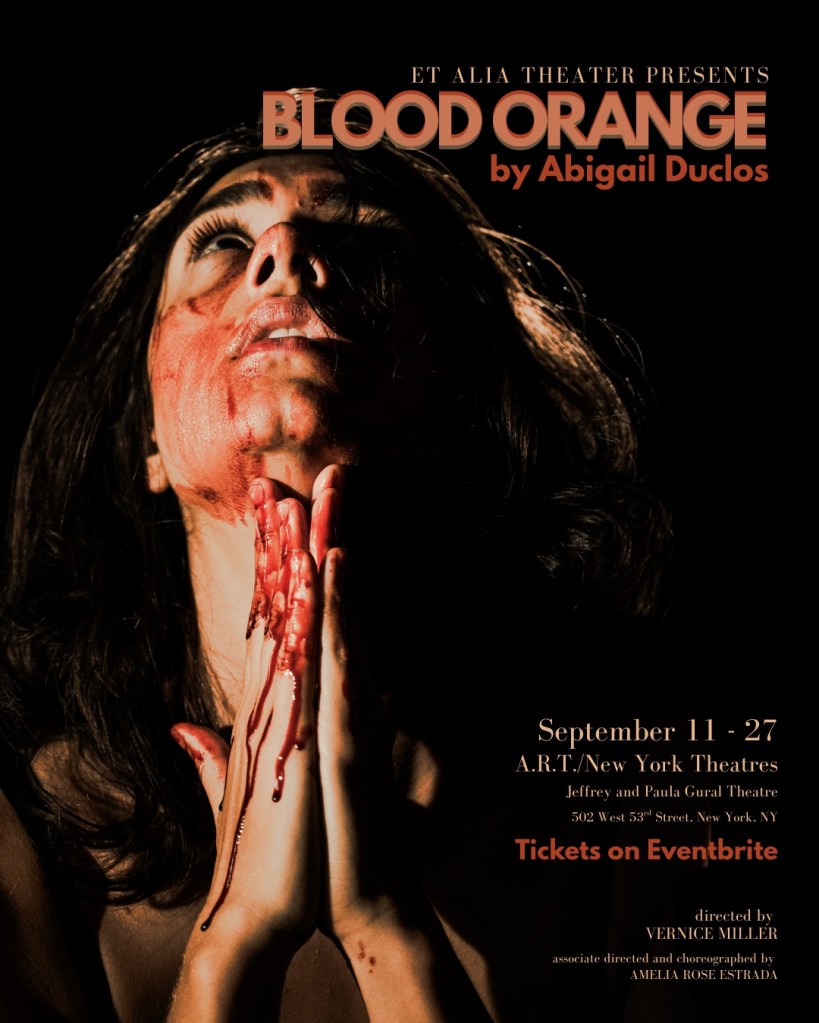
Performed in Repertory: September 11, 13, 14, 19, 21, 22, 27: Luísa Galatti as Faye, Ana Moioli as Eden, Maria Müller as Georgia
September 12, 15, 18, 20, 25 and 26: Maria Müller as Faye, Ana Moioli as Eden, Giorgia Valenti as Georgia
Doreen Oliver as Mariah for all showings
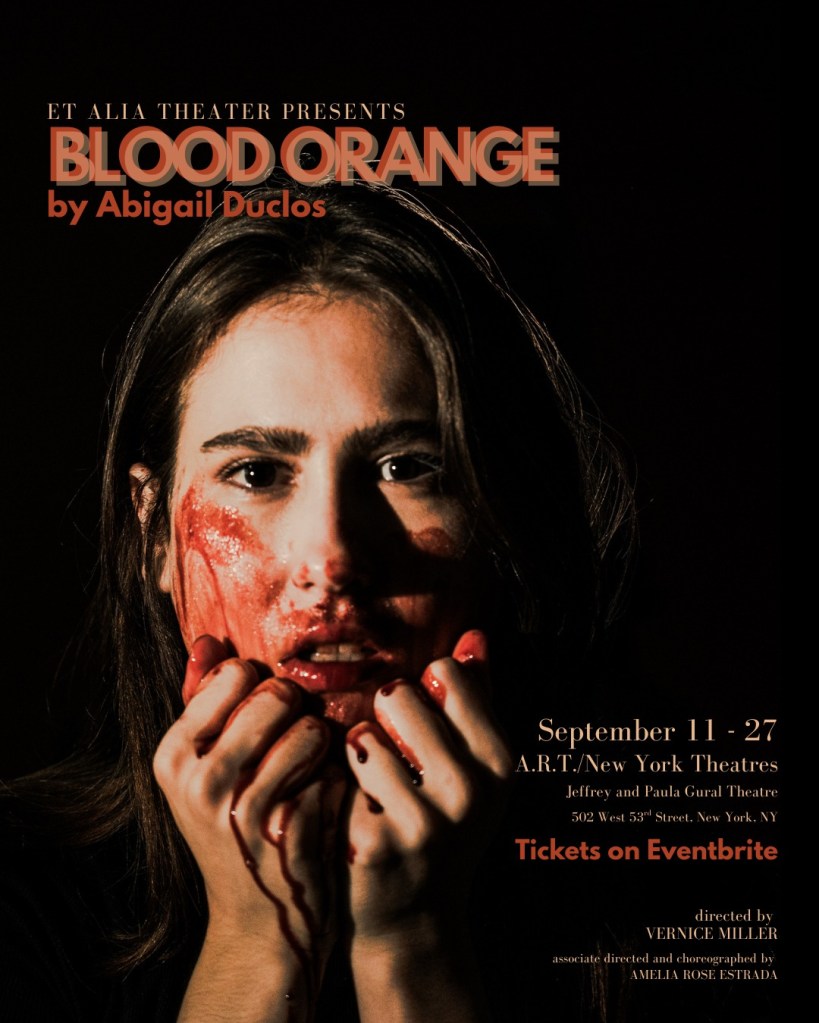
Blood Orange, by Abigail Duclos and produced by Et Alia Theater, tells the story of Faye, a teenage girl who — feeling abandoned by God and her mother in the wake of her father’s violent death — turns to a nightmarish roadkill creature for salvation. Faye then draws her awkward friend, Eden, into a strange religion filled with prayer, blood, and budding love.
The play delves deeply into grief and depicts it as an ugly, intricate, and biting experience, examining the complexities of modern teenage girlhood and sexuality. The play asks, “how do young women navigate a culture that hypersexualizes them while demonizing their desires?” “What happens when the hunt for pleasure intertwines with pain?”
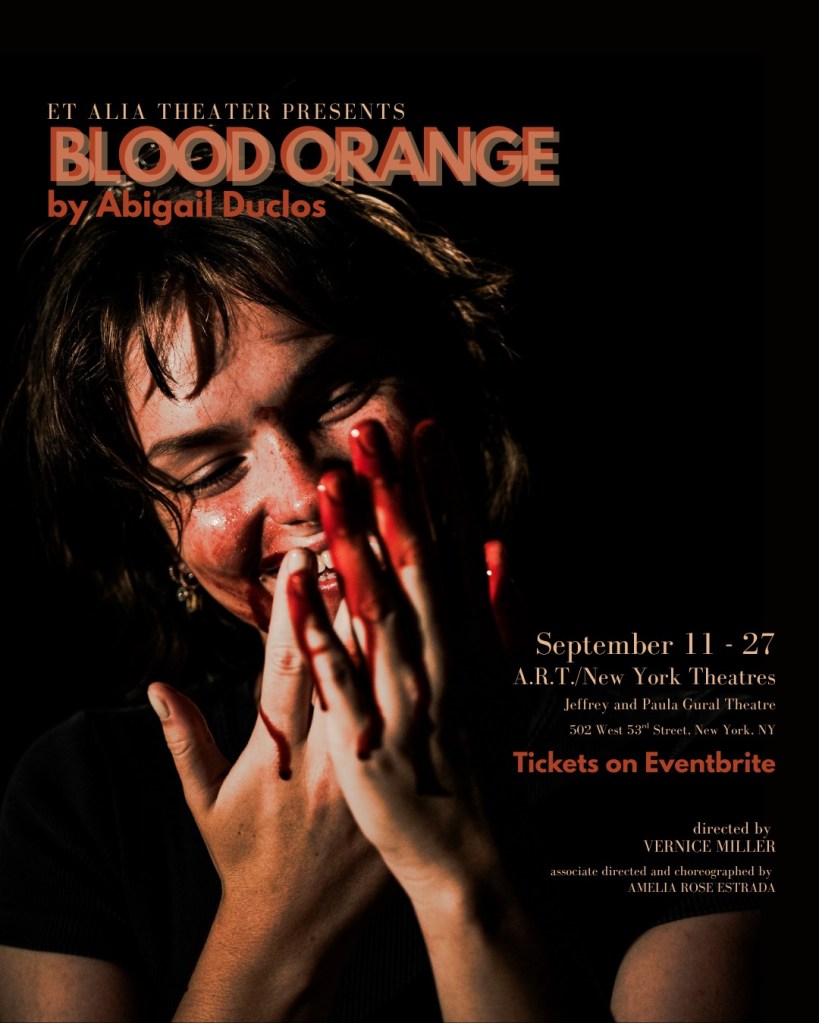
Production Directed by Vernice Miller with Amelia Estrada as Associate Director/Choreographer; Scenic and Property Design by Ningning Yang; Costumes Designed & Associate Props Design by Whitney Fabre; Sound Designed by Laura Pereira; Lighting Designed by Hayley Garcia Parnell; Fight and Intimacy Direction by Leana Gardella.
For Et Alia Theater: Production and Box Office Management by Covi Loveridge Brannan; Stage Management by Isabel Criado; Deck Management by Thais Fernandes.
The play runs about 90 minutes with no intermission.
CONTENT WARNING: explicit scenes of violence and of self harm.
Production design support provided by the Edith Lutyens and Norman Bel Geddes Design Enhancement Fund, a program of the Alliance of Resident Theatres/New York (A.R.T./NY).
Established in 1972 by an innovative collective, A.R.T./New York has matured into an indispensable cornerstone for over 475 theatres and more than 150 individual producers and artists throughout all five boroughs of New York City and across the state. As the singular membership organization dedicated to encompassing New York’s entire not-for-profit theatre sector, A.R.T./New York’s reach extends from playwriting collectives and developmental labs to producing organizations and pioneering independent artists. A.R.T./NY continues to serve the field through four essential service areas — Funding, Space, Professional Development and Advocacy — in order to help theatremakers put their creative ideas on stage.

BRAVO to Parmeet Singh in Sense & Sensibility
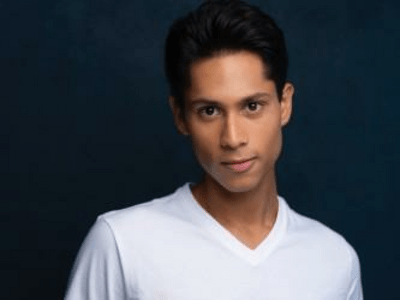
Parmeet Singh delivers a charismatic and nuanced performance as John Willoughby in Hudson Classical Theatre Company’s adaptation of “Sense and Sensibility.” Singh’s portrayal stands out for its depth and complexity, successfully transforming the widely known villain of Jane Austen’s novel into a “grey antihero.” His performance is described as charismatic, intelligent, and electric, capturing the audience’s attention from his “bombastic and robust” entrance.
A Masterclass in Character Transformation
What distinguishes Singh’s performance is his ability to create a fully realized human being, rather than a one-dimensional character. He moves beyond the archetype of a villain, crafting a version of Willoughby that we initially want to love but ultimately end up despising, though not without a hint of pity. This depth is a testament to his artistry and his philosophy of acting, where he aims to have “abundant discoveries with limitless exploration and complete surrender.”
Versatility and Craft
Singh’s talent is further highlighted by his impeccable command of received pronunciation (a British accent), which adds authenticity to his classical performance. The provided text also emphasizes his versatility, noting his seamless transitions between vastly different roles. His recent work includes playing Romeo in “Romeo and Juliet” and Lysander in “A Midsummer Night’s Dream” with The Shakespeare Theatre of New Jersey, as well as a lead role in the premier of “Haunt Me” and an indie film. His diverse background, which includes training at both The American Musical and Dramatic Academy and the National School of Drama, India, and work in both classical Western and contemporary Indian productions, underscores his commitment to nurturing his artistry as a whole.
___________________________________________________________________________
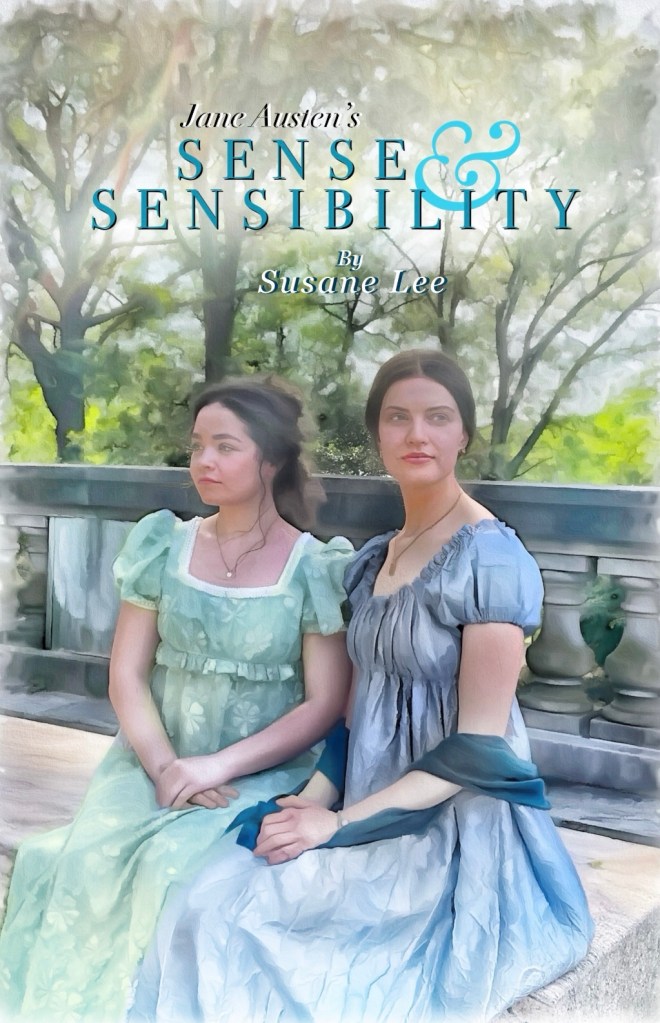
Hudson Classical Theater Company unlocks the vitality of Classical theater. It is our mission to delight our diverse audiences with intimate and accessible interpretations of classical literature.
In addition, our Education and Outreach Programs provide performances and theater training to audiences who don’t usually have access to theater, including the Incarcerated, Veterans, Seniors, and Community and Educational Centers.

Broadway Icon, LEN CARIOU to star in New York Premiere of RICHARD VETERE’s riveting new drama, ZAGŁADA
Broadway Icon, LEN CARIOUto star in New York Premiere of RICHARD VETERE’s riveting new drama, ZAGŁADA. Production directed by MAJA WAMPUSZYC
October 16 — November 2 The AMERICAN THEATRE OF ACTORS 314 W. 54th Street. New York City Contact info@jaymichaelsarts.com for further info
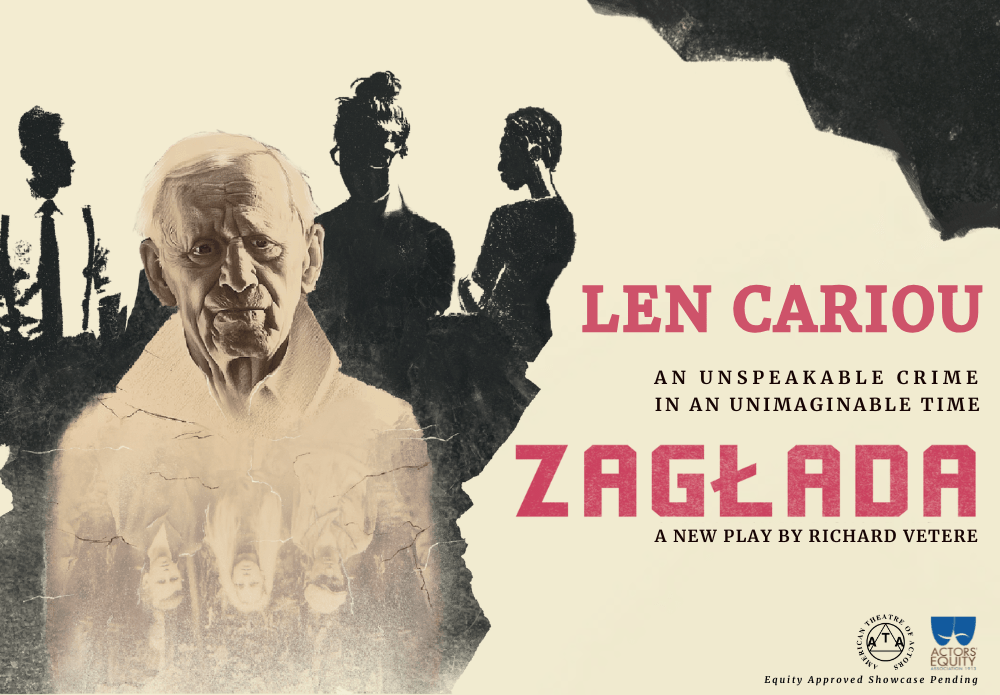
ZAGŁADA is a Polish word meaning annihilation used within Poland to refer to the HOLOCAUST, particularly in the context of the systematic, state-sponsored genocide of six million European Jews by the Nazi German regime and its allies and collaborators.
Journalist Danielle Hooper goes to interview 90-year-old Jerzy Kozlowski, in a quiet residential neighborhood in Queens for her book on World War II; he fires a gun at her, prompting his arrest. This gets the attention of Homeland Security Agent, Sonia Sokolow and NYPD Intelligence Bureau Officer, Frank Napoli.
Apparently, not only did Kozlowski lie on his immigration application when entering the United States after World War II; but he is suspected of collaborating with the Nazis at BUCHENWALD CONCENTRATION CAMP where he himself was a prisoner.
Agent Sokolow has 48 hours to prove Kozlowski’s collaboration so she can charge and extradite him to a country willing to try him for International War Crimes.
Sokolow must not only win the race against time but confront her own personal history through the mirror of Napoli’s mission to hunt down radical Islamic terrorists and White supremacists and Hooper’s righteous defense of the truth. What is a human being capable of doing to protect themselves and the ones they love and will justice prevail?
The play ZAGŁADA is inspired by history. All characters are fictional.
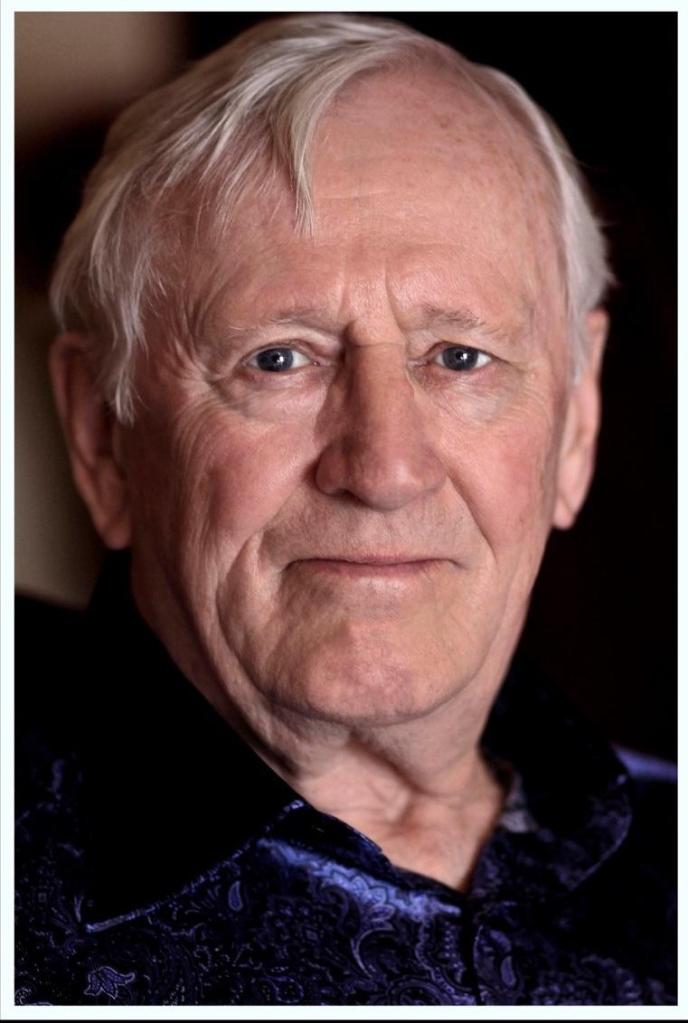
LEN CARIOU gained prominence for his Tony Award-winning title role in the original cast of Sweeney Todd: The Demon Barber of Fleet Street (1979). Prior to that, he earned nominations for Applause (1970) and A Little Night Music (1973). Cariou has had supporting roles in films such as The Four Seasons (1981), Thirteen Days (2000), About Schmidt (2002), Flags of Our Fathers (2006), Prisoners (2013), and Spotlight (2015). On television, Len was nominated for an Emmy for Into The Storm (2009) and is known for recurring roles in the shows Murder, She Wrote (1985–1992), Brotherhood (2005-2006), and Damages (2010) and his starring role in Blue Bloods (2010–2024).
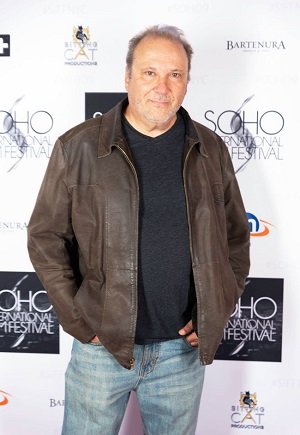
RICHARD VETERE, a Lifetime and Current Member of the Writers Guild of America East since 2012. His prolific career allowed him the opportunity to work with Oscar, Emmy, Tony, Grammy and Golden Globe award winners and nominees like Francis Ford Coppola, Walter Matthau, Carol Brunett, Robert Forester, Phil Ramone, Agnieszka Holland, Ed Harris, Elisabeth Shue, Armin Mueller-Stahl, Danny Aiello, Len Cariou and Jason Alexander. Recently, his stage play, Black & White City Blues, had an extended run and recieved rave reviews some critics calling his play a “masterpiece” at the Amrican Theatre of Actors. His screenplay, Caravaggio won the Golden Palm Award for Best Screenplay at the Beverly Hills International Film Festival 2021. His adaptation of his own stage play The Marriage Fool is now streaming on Amazon starring Walter Matthau, Carol Burnett and John Stamos. Mr. Vetere co-wrote the screenplay adaptation of his own novel The Third Miracle which premiered at the Toronto Film Festival in 1999, produced by Francis Ford Coppola, directed by Agneiszka Holland and starring Ed Harris and Anne Heche. It is considered by critics to be one of the best movies about faith ever filmed.Mr. Vetere’s first feature film Vigilante is an original screenplay, starring Robert Forester and Fred Williamson. Vigilante, released in 1983, became a blockbuster movie overnight making it the 20th highest grossing picture in 1983 and was just now re-released in Blu-Ray. It was named “a cult classic” by critic David Denby in the New York Times and one of the “best indies of the 1980s” by BAM. Over the years Mr. Vetere has written screenplays and adaptations for Paramount, Warner Bros, New Line, Zoetrope and CBS. As a member of the PD Workshop Unit at the Actors Studio he has developed several plays including ZagŁada
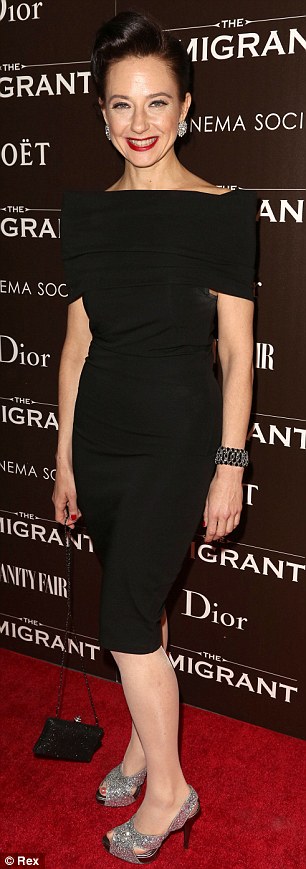
MAJA WAMPUSZYC has worked with Tony & Oscar Award winners. Film & TV credits include: The Immigrant (Cannes & NY Film Festival); Mona Lisa Smile; Going Shopping; The Knick; Madam Secretary; Search Party; and Law & Order: SVU. Broadway: Irena’s Vow. Off-Broadway, NYC, & regional credits include: Irena’s Vow; Lady Macbeth & Her Lover; House of Connelly; Foggy Bottom; An Oak Tree (Obie Award Winning Production); The Pearl Theatre; Precious Stones, and pool (no water) at The Barrow Street Theater. March 2020: Anna Akhmatova in Night Shadows Or: One Hundred Million Voices Shouting at Irondale. In 2021: Wampuszyc played the title role in Clytemnestra in Hades; and most recently played Ayn Rand in The Disciple for Thirdwing, LTD. PDW member of the Actors Studio, she has collaborated with Vetere as a director on developing six new plays; and with Lanie Robertson on his new play, a reimagining of the early years of Marie Curie, Unknown Objects of Desire. Member of The Actors Gym. Maja is Represented by Bret Adams, LTD.
The American Theatre of Actors, founded in 1976 by James Jennings, continues its mission of spotlighting socially and historically resonant works. The company has produced over 1,000 original plays and has been a creative home to actors such as Dennis Quaid, Edie Falco, and Chazz Palminteri.
 Arts Independent