
The War That Never Ends
Home Is Sweet Sorrow is a must-see and a devastatingly powerful third chapter in the Blood trilogy, which also includes the highly regarded A Lesson in Blood and A Long Way From Home. Anne L. Thompson-Scretching’s prolific pen and deft direction again triumph in a depiction of an American family wounded by war and the trials of the mid-20th Century.
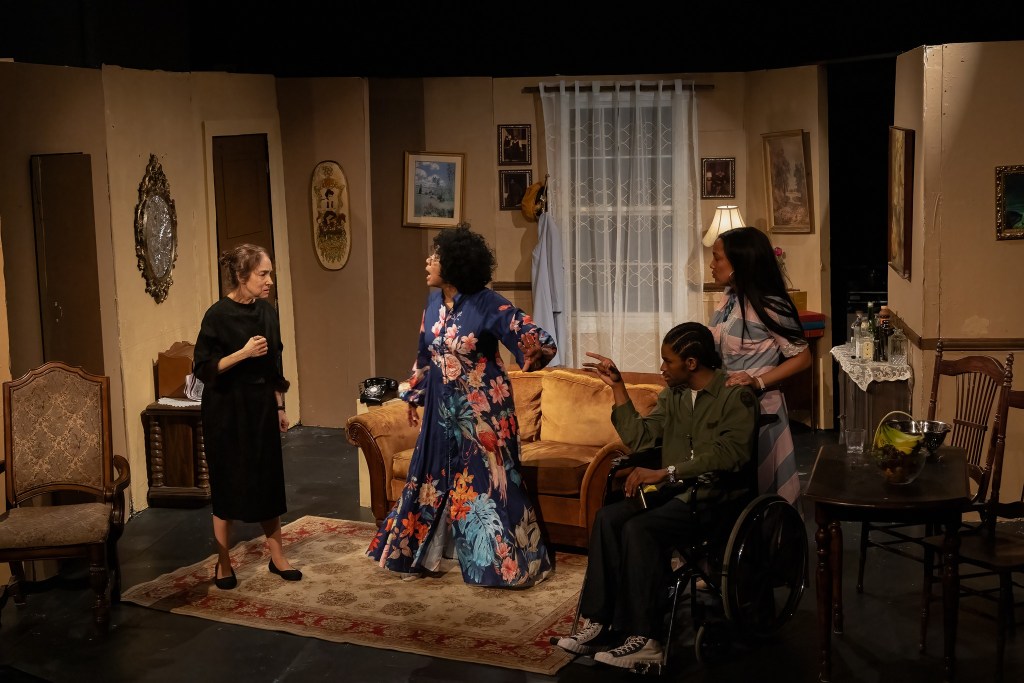
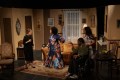
It is 1971, and PFC Willie Taylor (Laquan Hailey, reprising his role from A Long Way From Home) has come home from Vietnam. He is in a wheelchair, but his prognosis to walk again is good. Though he may soon regain his mobility, the damage to his mind is far less likely to ever be healed. He is a stranger to himself and to his family: mother Shanna (Gina McKinney), father Jacob (Kevin Leonard), and sister Luella (Joy Foster). Non-blood cousin Ceola Red Feather (Carrie Johnson) is the daughter of Oceola (the lead character of A Lesson in Blood); she has gone to school and now has medical training that she can help Willie with, and the two eventually begin the romantic relationship they were destined for. Rommell Sermons (Chester in A Long Way From Home) appears as Thomas Avery, a sergeant who visits to try to get Willie help for his PTSD.
That PTSD has shattered Willie’s personality and threatens his very sanity. After he arrives home (significantly not wearing his uniform), the mother he had missed so very much tries to help him navigate a tight hallway in his chair, and he snaps instantly and violently. He has developed a drinking problem—reaching for the bottle when the nightmares come (and they do, every time he closes his eyes), when the cars backfire like rifle shots, and when the flashbacks in his head threaten to consume him.
“I don’t know who I am or what I’ve done,” Willie despairs. “Them doctors, they only patched up the hole inside me and sent me on my merry way…sometimes when I wake up, I still feel like I’m dead. I can’t be the same person I was before I left here.”
Adding to his own trauma is that his friend and fellow PFC Jamie Lofton perished under suspicious circumstances in Vietnam. Jamie’s devastated mother Abigail (Elly-Anne Ehrman), aware of the secret that was her son’s burden, has come looking for answers from Willie, and a painful revelation adds even more horror to the already devastating effects of a war that no one wanted.
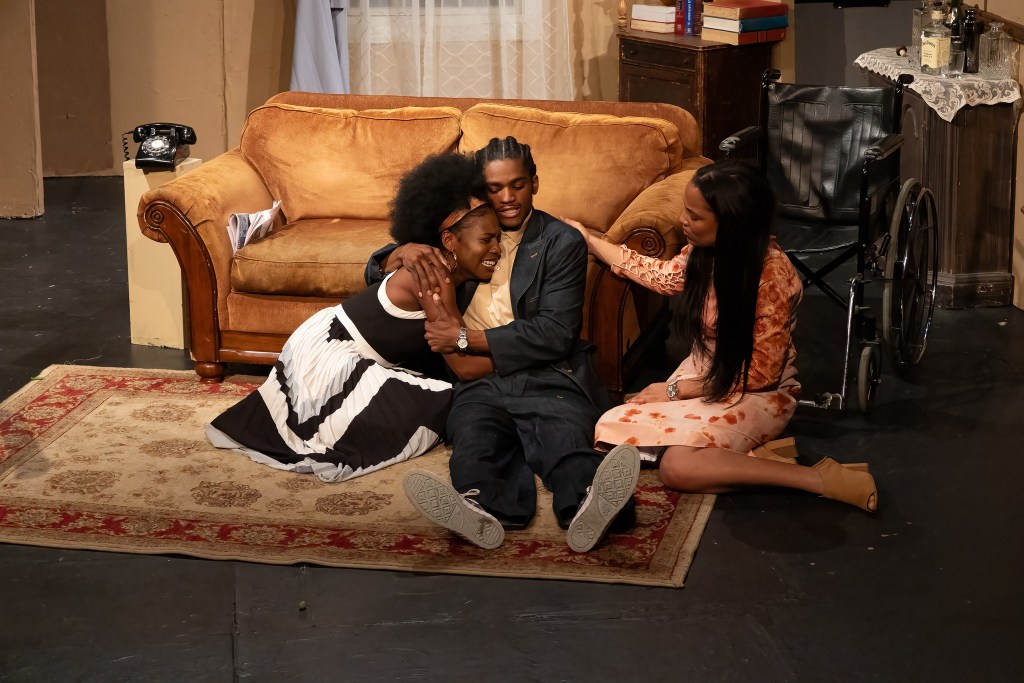
The relationships among the characters are so well-realized and so well-acted, anyone watching Home is Sweet Sorrow could almost feel like they truly are in the home of the Taylors in 1971. They share many a meal and many a drink, namecheck All in The Family and Ed Sullivan, and truly give the sense of having been through a great deal together. Each and every one of them feels like a real living and loving human being, and so their happiness and pain are felt viscerally. We find joy in their warmth and connection, thus making the moments when that connection is severed all the more painful to witness. Willie’s devotion to his Shanna is damaged by what he sees as her inability to grasp what he’s been through, and she is left terrified, forced to walk on eggshells in fear of the traumatized shell that her son has become. Shaina and Abigail, ostensibly friends, clash over their grief and their individual need to honor their sons, one who is gone physically and one emotionally. Jacob plays peacemaker and is anguished that any returns to normality are short-lived. Anne L. Thompson-Scretching’s powerful dialogue and skillful world-building are astonishing, as is her bravery in reminding us that resolutions and closure are not to be found in the brutal reality that Home Is Sweet Sorrow so poignantly depicts.
Layton Lamell, Patricia Fields and Sania Hyatt are Swings for Willie, Shanna, and Luella respectively.
Presented as part of the African American Playwrights Initiative, Home Is Sweet Sorrow is performed at the Sargent Theatre at The American Theatre of Actors through March 29, 2026.

 Arts Independent